Recycling Guide
How to Recycle Smarter, Not Harder
Recycling Water is the Easiest (and Most Important) Thing You Can Do! Recycle with Showerpot!
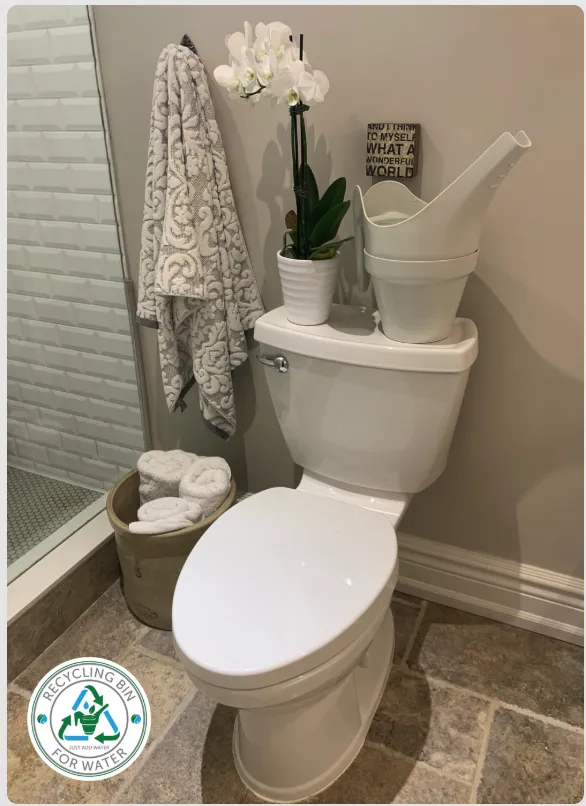
Recycling water is one of the simplest and most impactful ways to conserve a precious resource—and upgrading your toilet to use recycled water is easier than you might think. Traditional toilets use about 1 to 1.6 gallons of treated drinking water per flush, which adds up quickly considering the average person flushes 5 to 7 times a day. This not only wastes a significant amount of potable water but also increases your water bill and puts additional strain on municipal water systems. By turning your toilet into a recycling toilet, you can drastically reduce this waste with minimal effort and often at no cost, thanks to city or water department-sponsored programs.
The process involves repurposing greywater—relatively clean wastewater from your shower or sink—using a simple device like the ShowerPot bin. One full bin of shower water is enough to flush your toilet once, effectively recycling water that would otherwise go down the drain.
The upgrade includes easy-to-follow instructions to modify your existing low-flow toilet, allowing you to switch off the tap water supply entirely or keep it as a backup.
This innovation not only conserves fresh water but also reduces the energy and chemicals used in water treatment plants, amplifying environmental benefits.
The founder’s personal experience of running a toilet entirely off recycled water demonstrates that this sustainable practice is achievable for anyone.
By adopting recycled water for flushing, you save money, reduce waste, and contribute to a more resilient water system—making every flush count for the planet!
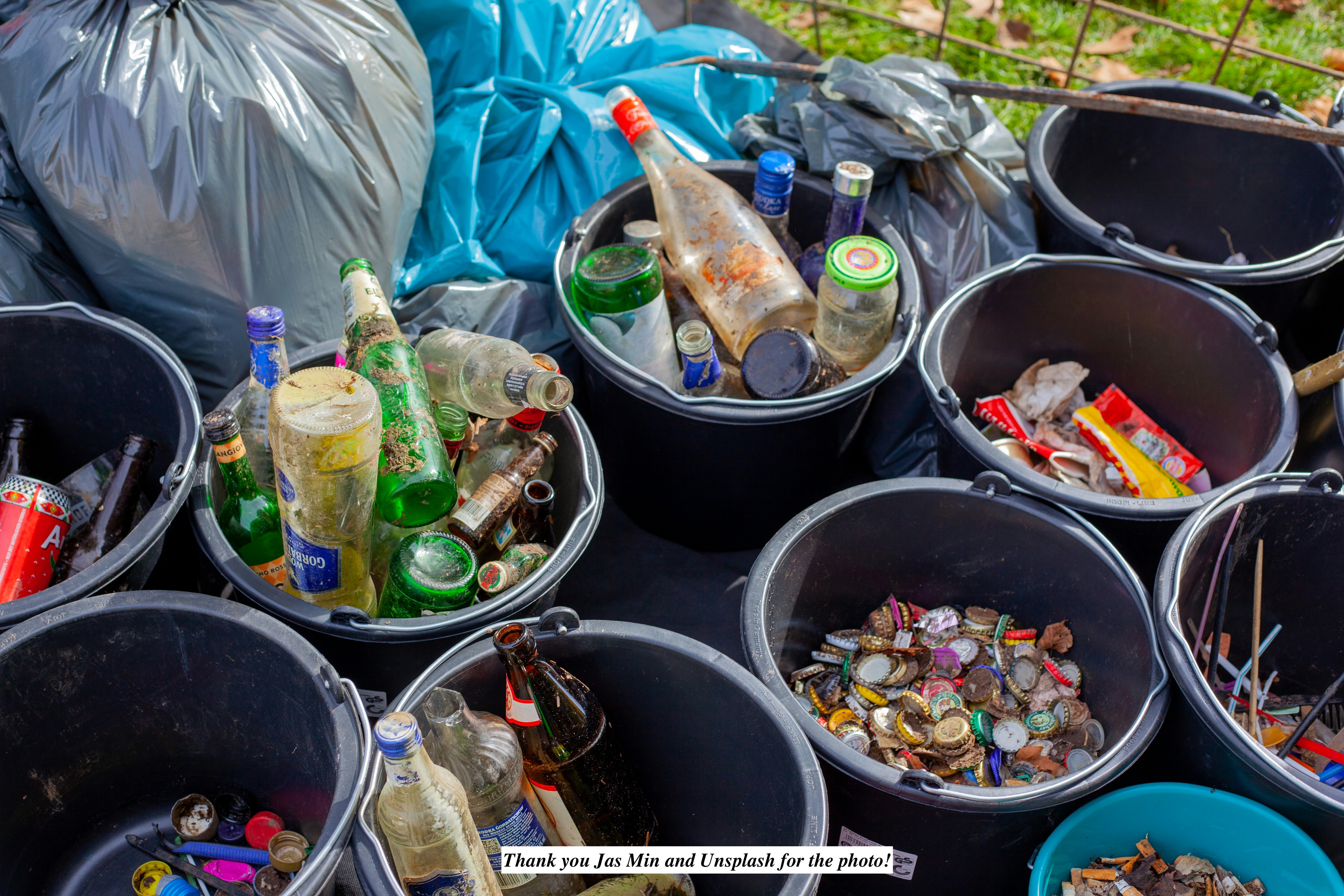
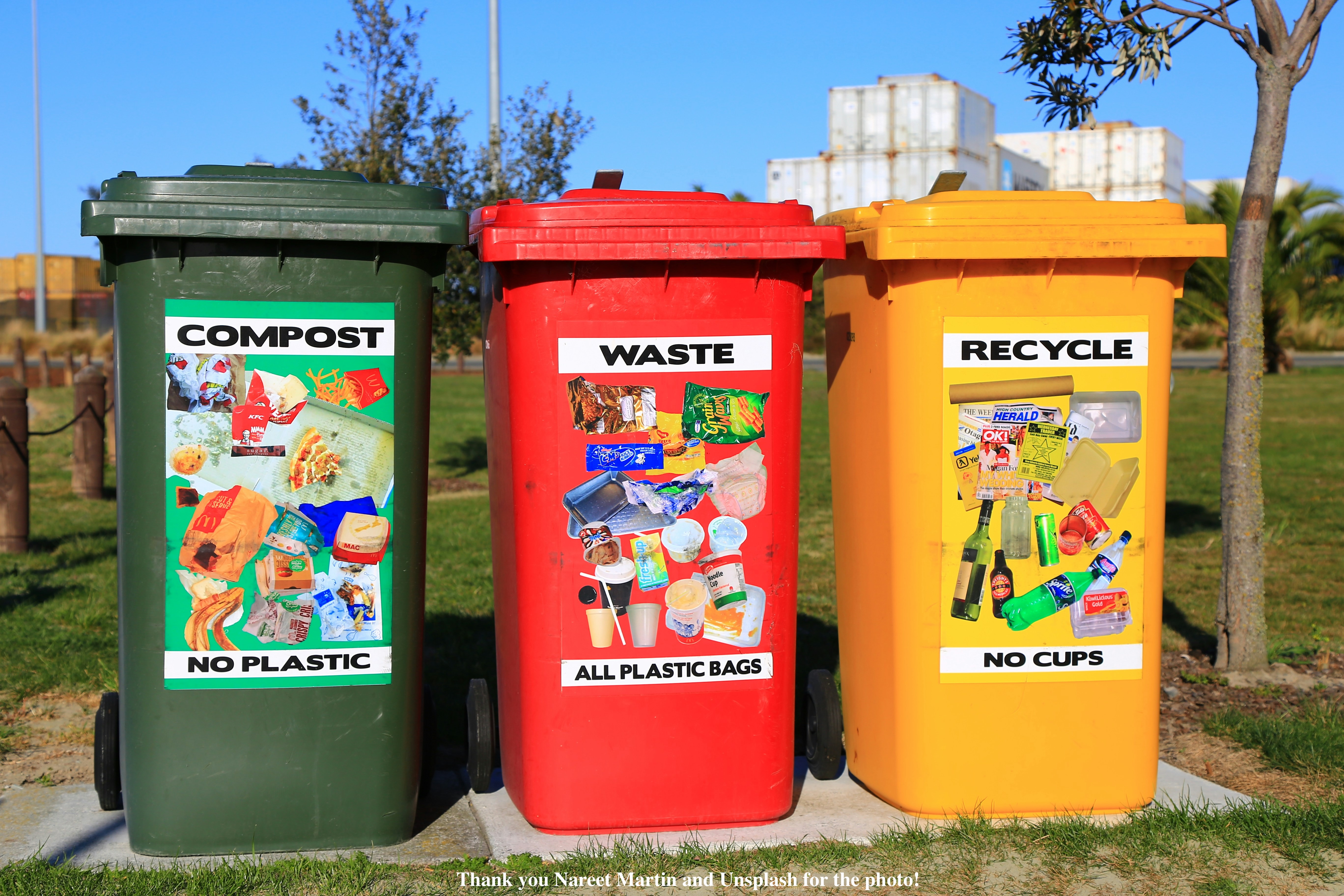
Recycling Everything Else. Ugh. Very few people know how to do it right. That's because every municipality is different...it gets complicated.
For instance, in my neck of the woods we have a transfer station.
There you can recycle:
#1 and #2 plastics
cardboard
paper
newspaper (and the paper and newspaper are NOT the same thing and must be separated)
tins cans
aluminum and
you pay a small fee to drop off electronics and appliances
In some places you can't recycle any cardboard, plastic or tin that has food on it.
Recycling is free - but it must all be sorted and put in the correct bin, and bags of trash are $3 a piece. Because I recycle everything that I can, our household usually only generates about one bag per month! That is $3 per month in contrast to our local waste management company charges about $180 per quarter or $45 per month!
Now what about all those hard to recycle items?
Let me count the ways...
Textiles are very difficult to recycle because a lot of clothing is made out of multiple materials. When products are made of multiple materials, they become much more difficult to deal with.
There are multiple problems in the textile industry and I write about all the problems with textiles in another blog you can read here.
In an effort to find 'end of life' solutions to textiles, taking charge of the origin and manufacturing will allow more control over the outcome and is currently being explored in states such as Colorado and California.
One of the biggest challenges with manufacturing textiles is the dyeing process. Dyeing materials can be a large and toxic undertaking. There are several stages of dyeing in textiles:
Fiber dyeing (also called stock dyeing)
Yarn dyeing
Fabric dyeing
Garment dyeing
The considerations that govern the choice of the dyeing stage are mainly technical and economical.
The dyeing process complicates textile manufacturing in US.
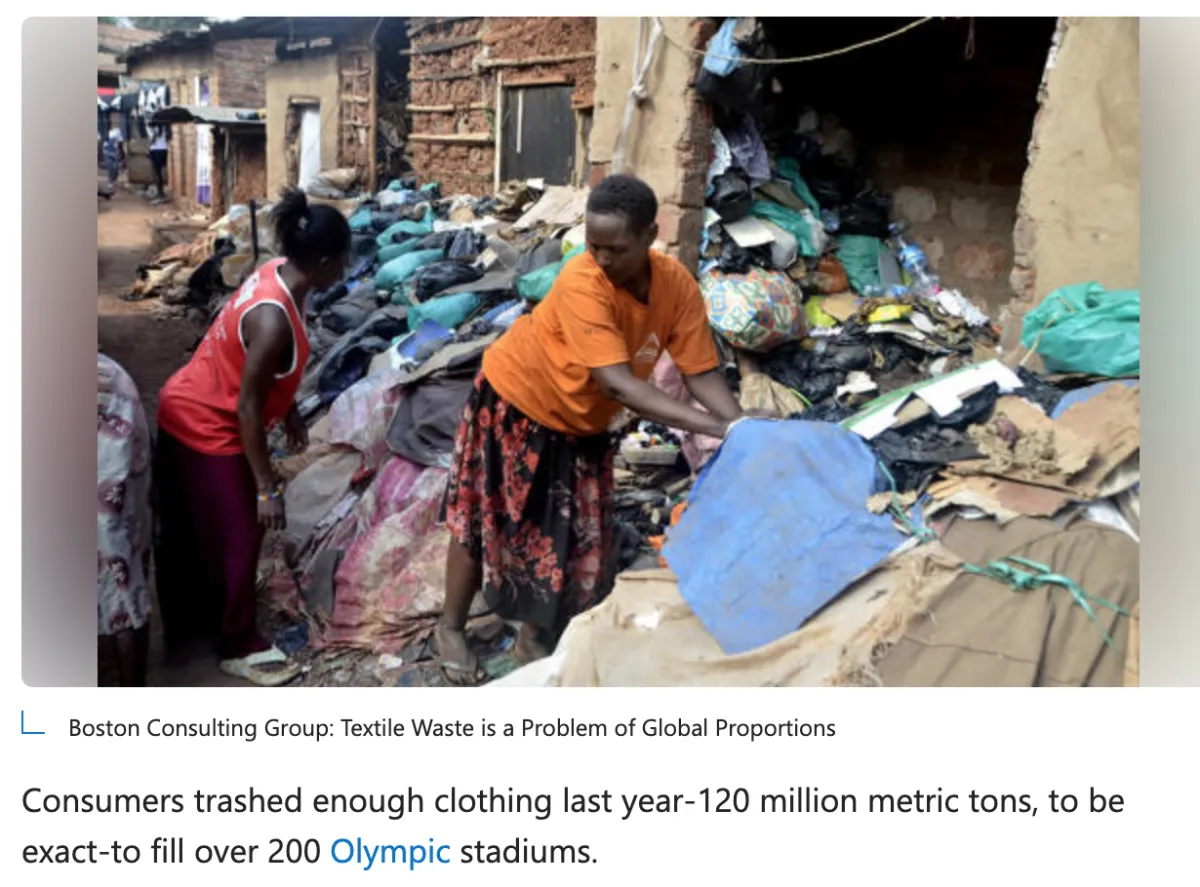
But you do have options when it comes to discarding your old or worn out clothes...obviously if the clothes are still functional, donate them!
Donating your clothes not only helps reduce the enormous volume of textile waste but also supports a more sustainable and ethical fashion system. Many donated garments find new life through resale in thrift stores or online platforms, making affordable
clothing accessible to a wider range of people while keeping textiles in circulation longer. Items that are no longer wearable can often be recycled into new materials, such as insulation, cleaning cloths, or even new fabrics, further minimizing waste. This process helps divert millions of pounds of textiles from landfills each year, where decomposing fabrics release methane—a potent greenhouse gas contributing to climate change.
The environmental benefits of donating clothes extend beyond waste reduction. Producing new textiles is resource-intensive, requiring vast amounts of water, energy, and chemicals. For example, it takes approximately 2,700 liters of water to produce just one cotton t-shirt, enough to sustain one person for over two years. By donating and reusing clothing, you help lower the demand for new production, conserving precious natural resources and reducing pollution from manufacturing processes. Moreover, clothing donation fosters a circular economy, where materials are continuously reused and repurposed, creating economic opportunities and encouraging responsible consumption patterns.
In this way, donating clothes becomes a simple yet impactful action that supports environmental sustainability and social equity!
Have some sneakers to get rid of? Use Got Sneakers?
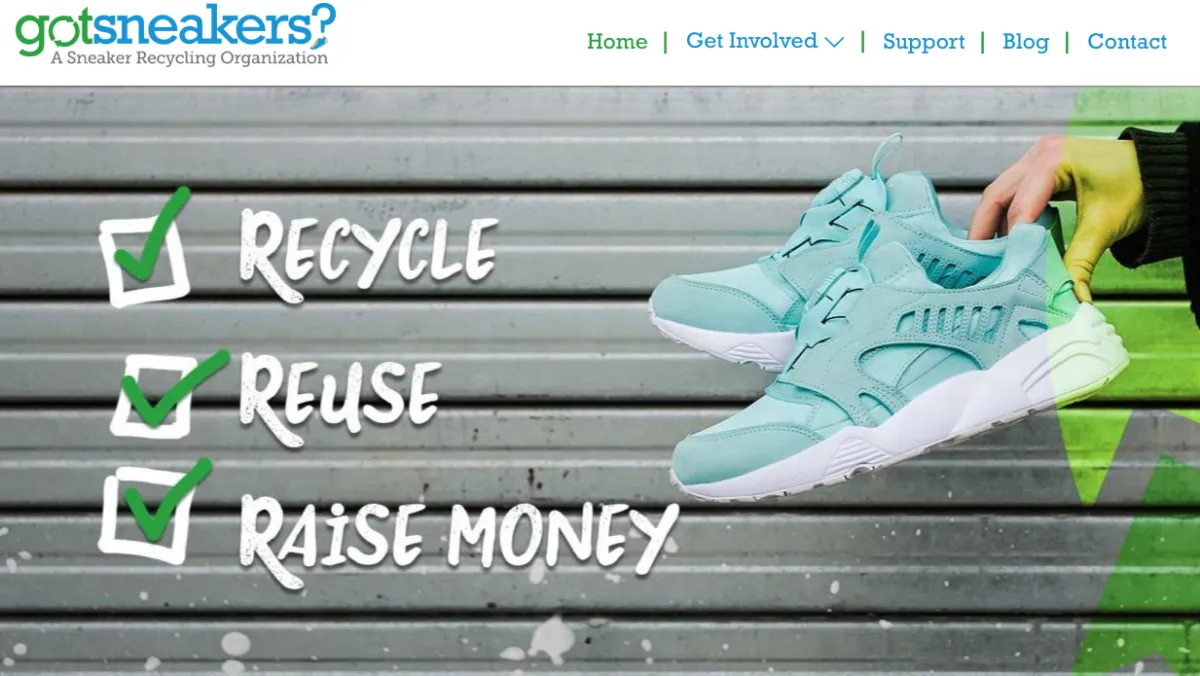
Got Sneakers? is a thoughtful and accessible sneaker recycling program designed to tackle the growing problem of sneaker waste, which often ends up in landfills due to the complex materials used in their construction. The program encourages consumers to responsibly dispose of their worn-out or unwanted sneakers by offering a free mail-in service that ensures shoes are either reused or recycled in an environmentally friendly way. Sneakers that are still in good condition are resold or donated, extending their lifespan and reducing the demand for new products. This not only prevents waste but also supports communities by providing affordable footwear options to those in need.
For sneakers that are too damaged or worn to be reused, Got Sneakers? recycles the materials, breaking down components such as rubber soles, fabric, and foam to be repurposed into new products. This process helps keep millions of pounds of sneaker waste out of landfills each year, where synthetic materials can take decades or even centuries to decompose. While the recycling service itself is free, a modest $3 transaction fee applies when sneakers cannot be reused and must be recycled, covering the costs of processing and shipping.
By participating in Got Sneakers?, consumers can easily contribute to reducing environmental impact, supporting circular fashion, and promoting sustainable consumption—all while decluttering their closets responsibly. This program exemplifies how small actions, like recycling a pair of sneakers, can collectively make a significant difference for the planet.
Dispose of Batteries Properly
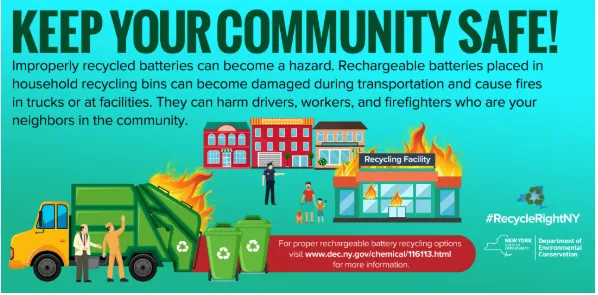
Batteries pose a significant environmental and safety risk when disposed of improperly, especially in landfills and waste facilities. Each year, thousands of fires in waste management sites are caused by discarded lithium-ion batteries, which can ignite spontaneously due to damage or short-circuiting. According to the U.S. Fire Administration, battery-related fires have increased sharply over the past decade, causing billions of dollars in damage and endangering workers. Beyond fire hazards, batteries contain toxic metals like lead, cadmium, and mercury, which can leach into soil and groundwater, contaminating ecosystems and posing health risks to communities. Proper recycling of batteries not only prevents dangerous fires but also recovers valuable materials, reduces pollution, and conserves natural resources, making it crucial to keep batteries out of landfills and into responsible recycling programs.
Be sure your worn out household batteries (traditional or rechargeable) are recycled right! Check out The Battery Network.
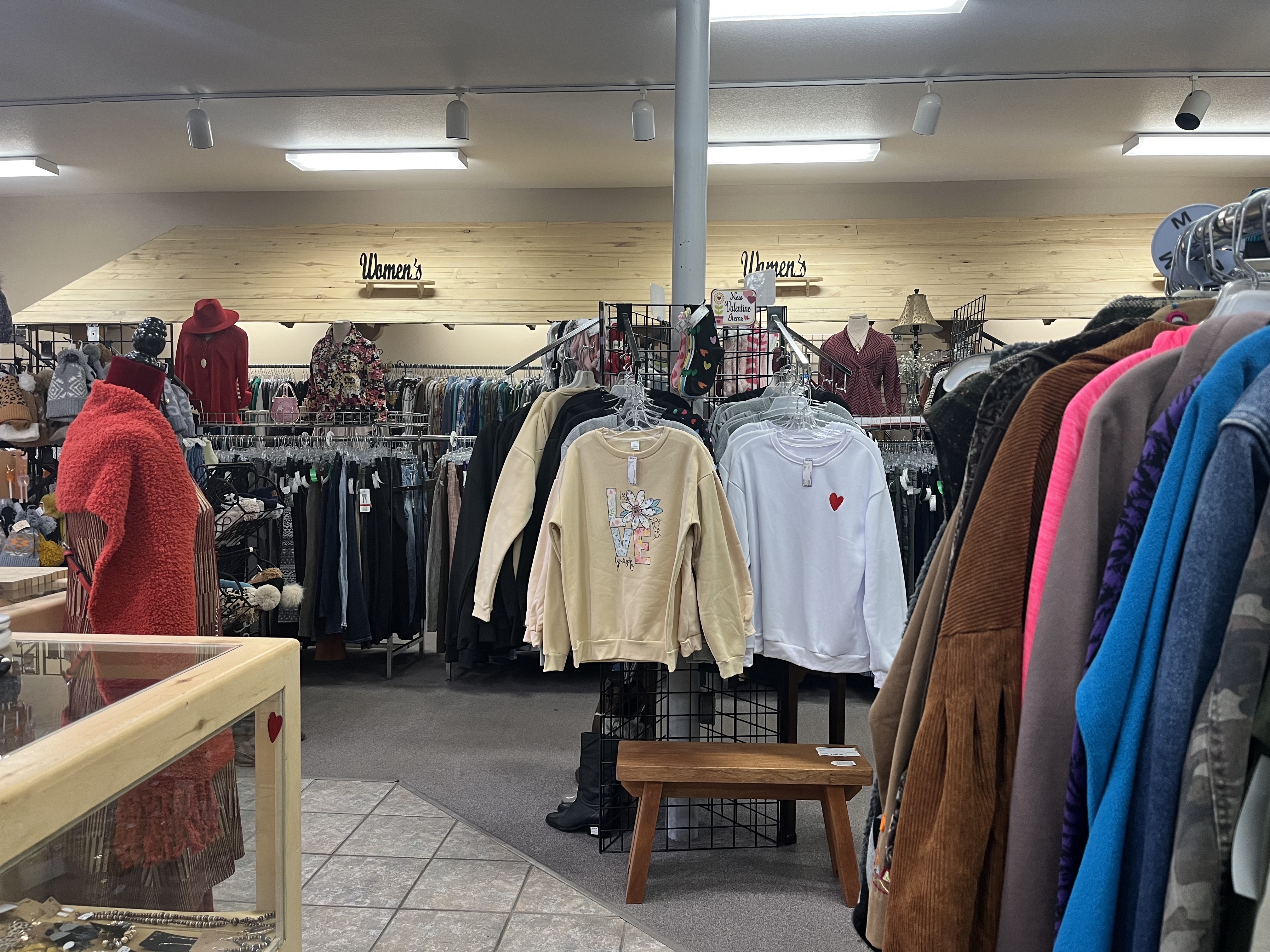
If you are just cleaning out your closet sell your clothes at ThredUp!
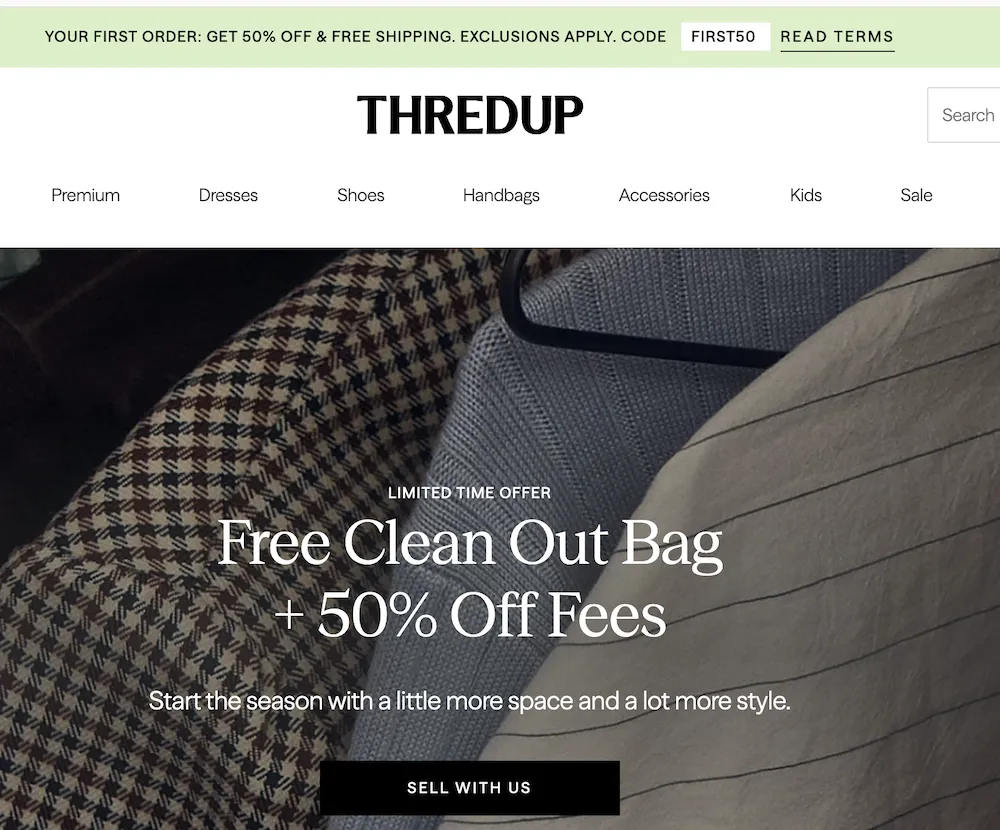
ThredUP is a leading online marketplace dedicated to secondhand clothing and accessories, providing a convenient and sustainable solution for both buying and selling quality pre-owned fashion. By offering shoppers access to thousands of brands at discounted prices, ThredUP promotes circular fashion—an approach that extends the lifespan of garments and significantly reduces textile waste. Sellers can easily participate by using ThredUP’s Clean Out Kits, which simplify the process of sending in gently used clothing. Once received, ThredUP manages the entire resale process, including listing, selling, and shipping, making it effortless and eco-friendly for consumers to give their clothes a second life.
The impact of ThredUP’s model on textile waste reduction is substantial. According to their 2023 Resale Report, the resale market is growing 11 times faster than traditional retail, and ThredUP alone has helped divert millions of pounds of clothing from landfills. In fact, the company estimates that for every 1 million items sold through its platform, approximately 7.1 million pounds of carbon emissions are saved, equivalent to taking over 600,000 cars off the road for a year. Additionally, ThredUP’s efforts contribute to significant water savings—around 4 billion gallons of water conserved annually—by reducing the need for new clothing production, which is highly water-intensive.
Textile waste is a pressing environmental issue, with the U.S. generating over 11 million tons of textile waste each year, and only about 15% of that being recycled or donated. ThredUP’s circular fashion platform directly addresses this problem by keeping millions of garments in use longer, reducing the demand for new textile manufacturing, and minimizing landfill contributions. By making secondhand shopping accessible and stylish, ThredUP empowers consumers to make more sustainable choices, proving that fashion can be both eco-conscious and affordable. This shift not only benefits the environment but also fosters a more responsible and resilient fashion industry for the future!
Recycle by purchasing a Retold Bag for $15.50
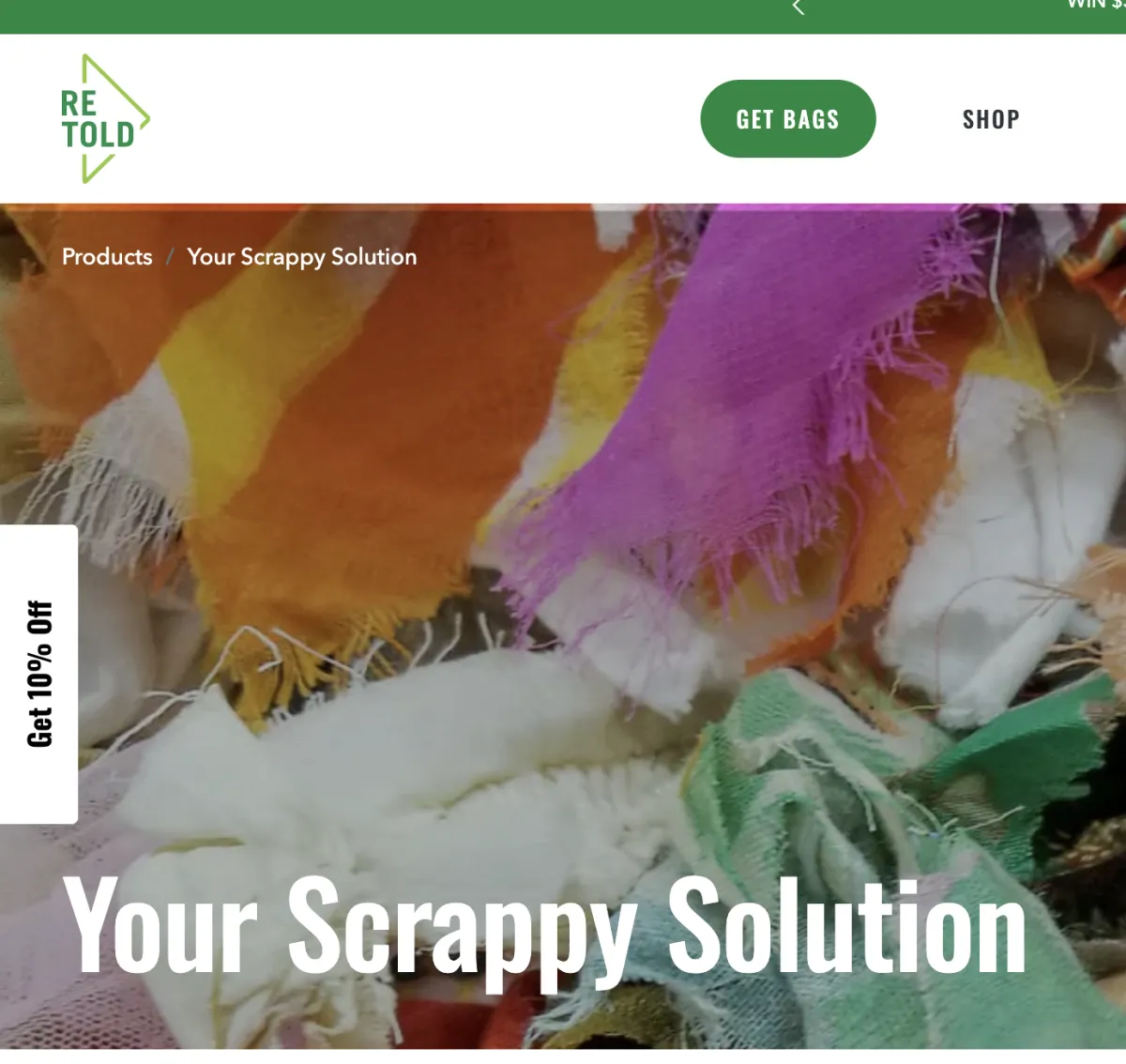
ReTold is a dynamic sustainable fashion platform dedicated to transforming the way individuals and businesses engage with clothing by making it easy to buy, sell, and trade pre-owned apparel. By fostering a circular fashion economy, ReTold extends the life cycle of garments, significantly reducing textile waste that otherwise contributes heavily to environmental pollution. The platform offers a user-friendly marketplace where consumers and retailers can connect to give new life to gently used clothing, promoting eco-conscious shopping habits that challenge the fast-fashion model. Beyond resale, ReTold actively supports clothing donation initiatives and partners with various resale programs, ensuring that textiles are diverted from landfills and repurposed within communities or recycled responsibly.
The impact of ReTold’s efforts is measurable and growing. Textile waste is a critical environmental issue, with the U.S. alone producing over 11 million tons of textile waste annually, of which less than 15% is recycled or donated. ReTold’s platform has helped divert thousands of pounds of clothing from landfills by facilitating resale and reuse, contributing to a reduction in the carbon footprint associated with new garment production. According to industry estimates, extending the life of clothing by just nine months can reduce carbon, water, and waste footprints by approximately 20-30% each. By enabling consumers and businesses to participate in circular fashion, ReTold helps conserve vital resources such as water and energy—resources that are heavily consumed in traditional textile manufacturing.
Not only that, but ReTold’s model supports economic sustainability by creating value from pre-owned goods and fostering a community around mindful consumption. Their seamless integration of donation and resale programs makes sustainable fashion accessible and practical, encouraging a shift away from single-use clothing culture. This approach not only minimizes environmental impacts like landfill overflow and greenhouse gas emissions but also promotes social responsibility by supporting charitable causes through clothing donations. In a world where the fashion industry accounts for nearly 10% of global carbon emissions, platforms like ReTold play a crucial role in driving systemic change toward a more sustainable and equitable future for fashion.
Earn Rewards with the "Take Back Bag" by Trashie
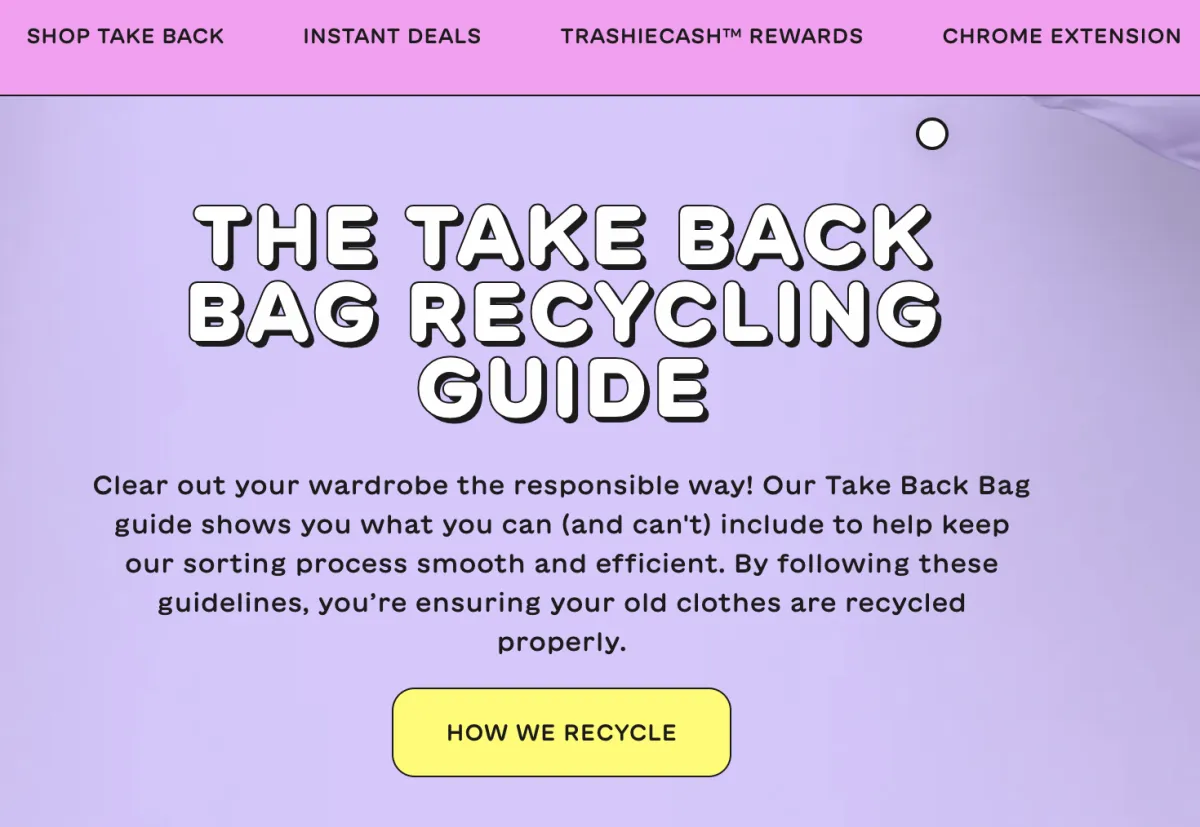
Trashie’s Take Back Bag offers a fresh, engaging approach to sustainable shopping by combining convenience, eco-consciousness, and rewards. Priced at $20, this reusable bag is designed not only to replace single-use plastic bags but also to incentivize greener consumer habits. Every time you use the Take Back Bag, you earn points that can be redeemed for discounts on a curated selection of top eco-friendly brands. This unique rewards system transforms everyday shopping into an opportunity to support sustainable businesses while saving money, making it easier and more appealing for consumers to adopt plastic-free alternatives.
The environmental impact of switching to reusable bags like Trashie’s Take Back Bag is significant. Globally, over 500 billion plastic bags are used each year, with the vast majority ending up in landfills or polluting oceans, where they contribute to microplastic contamination and harm wildlife. By encouraging repeated use through rewards, Trashie helps reduce this staggering plastic waste. Studies show that using a reusable bag just 22 times can offset the environmental footprint of producing it compared to single-use plastic bags. Programs like Trashie’s not only reduce plastic consumption but also foster a culture of sustainability by rewarding conscious choices, demonstrating that small daily actions can add up to meaningful environmental benefits.
TerraCycle can recycle almost anything!
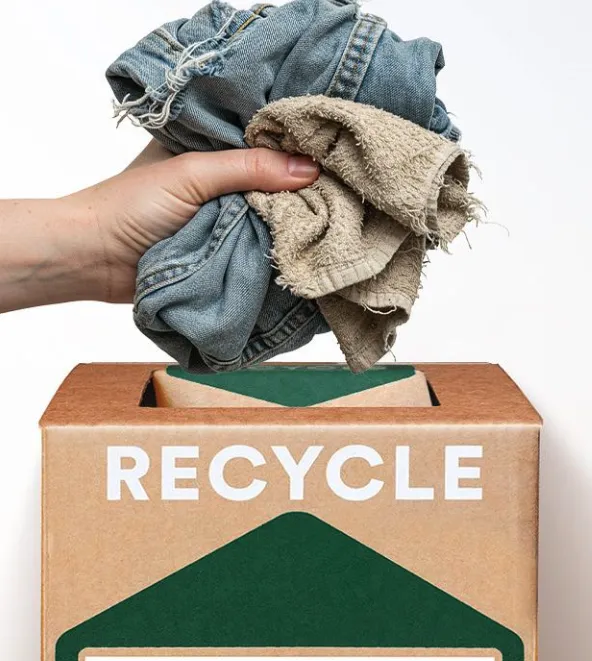
TerraCycle is a pioneering company in the field of recycling hard-to-recycle materials, including textiles. Through its innovative textile recycling programs, TerraCycle partners with leading fashion brands to offer free take-back initiatives where consumers can send in used clothing and textile products for recycling at no cost. These brand-specific programs ensure that textiles are properly processed, diverted from landfills, and often repurposed into new materials or products, supporting circular fashion and reducing environmental impact.
TerraCycle’s approach helps close the loop on textile waste by creating a streamlined, reliable system for recycling items that traditional municipal programs typically cannot handle.
In terms of profitability and growth, TerraCycle has successfully transformed waste management into a scalable business model by combining partnerships, consumer engagement, and innovative recycling technologies. The global textile waste problem is vast, with over 92 million tons of textile waste generated annually worldwide, and TerraCycle’s targeted programs address a critical niche in this market.
By collaborating with brands eager to meet sustainability goals, TerraCycle not only expands its recycling network but also generates revenue through corporate partnerships and consumer product sales, such as their Zero Waste Boxes for fabrics and clothing. This dual focus on environmental impact and business viability has positioned TerraCycle as a leader in the circular economy, proving that sustainable waste solutions can be both profitable and impactful.
Recycle Worn Out Silicon
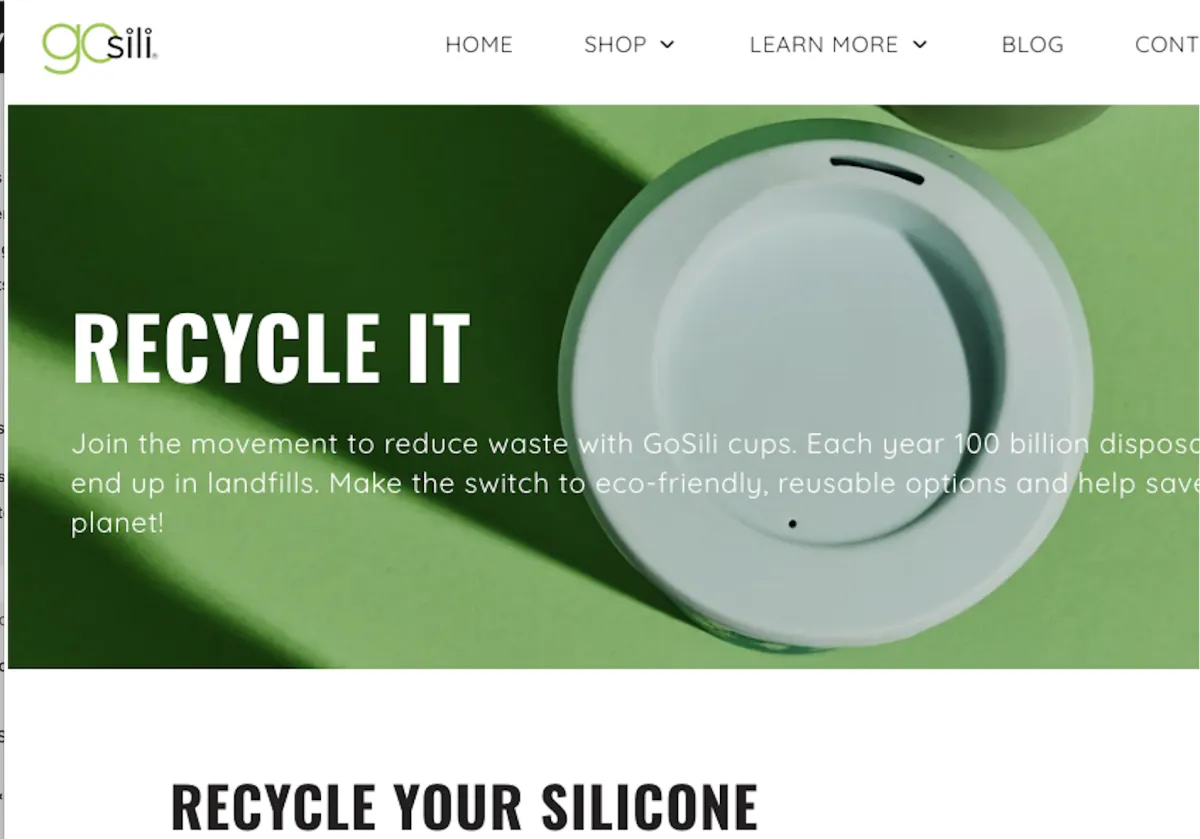
If you have worn-out silicone products, GoSili offers a rewarding and responsible way to recycle them, addressing a critical gap in typical recycling systems. Silicone, widely used in kitchenware, bakeware, and household items for its durability and heat resistance, is not accepted by most curbside recycling programs due to its unique chemical structure. This often leads to silicone products being discarded in landfills, where they can persist for decades without breaking down. GoSili’s recycling program provides an easy solution by allowing consumers to send back old or damaged silicone items, which are then processed and transformed into new products, significantly reducing landfill waste and conserving resources.
What sets GoSili apart is its focus on incentivizing sustainable behavior. Participants in the program earn rewards or incentives, such as discounts on future purchases or points redeemable with eco-conscious brands, making the recycling process not only environmentally responsible but also personally beneficial. This approach encourages more people to take part in proper silicone disposal, helping to close the loop on silicone waste and support a circular economy.
By recycling silicone, GoSili helps reduce the demand for virgin materials, lowers greenhouse gas emissions associated with production, and promotes a culture of mindful consumption. This initiative is a vital step toward making everyday household products more sustainable and ensuring that durable materials like silicone don’t contribute to the growing waste crisis. For more information and to participate, visit GoSili’s recycling page.
Save the Fee - Recycle Electronics with GoNimble!
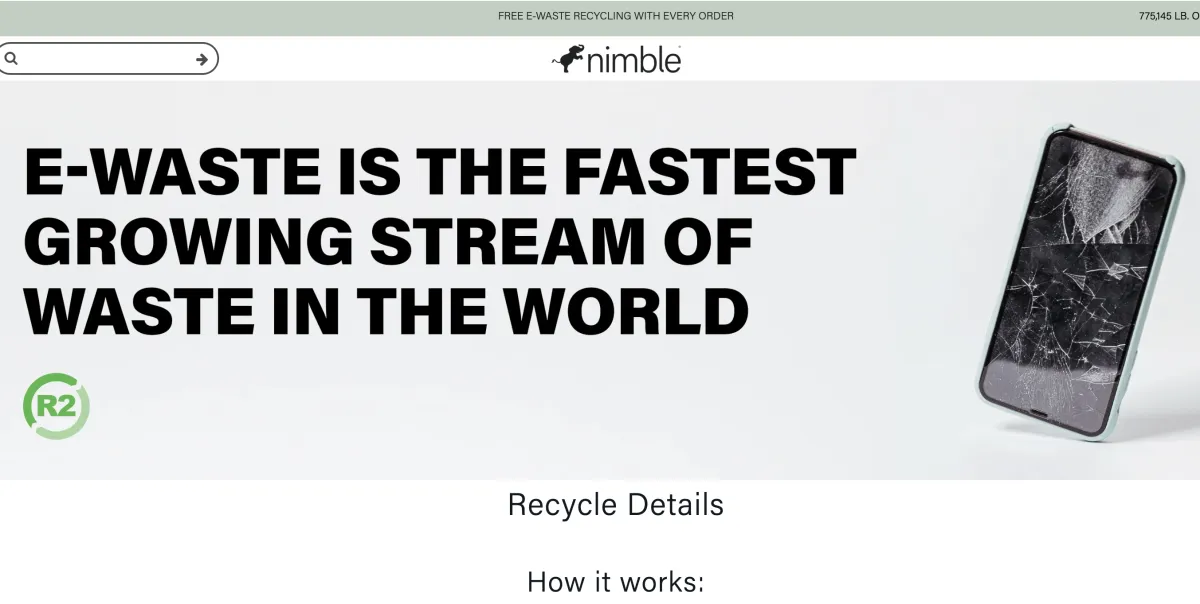
Electronic waste (e-waste) is a rapidly growing global problem. According to the United Nations, the world generated about 57.4 million metric tons of e-waste in 2021, and only around 17.4% was formally recycled. Improper disposal of e-waste leads to toxic substances contaminating soil and water, posing serious environmental and health risks.
A critical concern linked to electronics is cobalt mi
ning, essential for batteries in smartphones, laptops, and electric vehicles. Much of the world’s cobalt comes from the Democratic Republic of Congo, where thousands of children work in hazardous mining conditions, facing risks like exposure to toxic chemicals, physical injury, and exploitation. This highlights the urgent need for responsible sourcing and recycling of electronics to reduce demand for newly mined cobalt.
Nimble’s Electronics Recycling Program
Go Nimble offers a convenient and eco-friendly electronics recycling service that helps consumers avoid fees often charged by local facilities. By using Go Nimble’s prepaid shipping labels, you can send in old electronics—like phones, laptops, tablets, and batteries—for responsible recycling.
Nimble guarantees secure data destruction and environmentally safe processing.
Their program supports circular economy principles, recovering valuable materials to reduce mining demand and e-waste pollution.
Recycling with Nimble helps keep hazardous materials out of landfills and reduces the environmental footprint of discarded electronics.
If you need to get rid of electronics, Go Nimble provides a hassle-free, cost-saving, and sustainable solution. Learn more and start recycling at gonimble.com.
Looking to Limit Plastic Consumption?
This resource offers a wealth of free tools and practical tips to help you minimize your plastic use and lower your microplastic intake, which is increasingly linked to health concerns. With plastic pollution reaching alarming levels—over 400 million tons of plastic produced globally each year, and only about 9% recycled—taking steps to reduce plastic in your daily life is more important than ever. Microplastics have been found in our water, food, and even the air we breathe, making awareness and action critical. Visit I’m Plastic Free to empower yourself with knowledge and join a growing community committed to a cleaner, healthier planet.
Beyond just reducing plastic use, I’m Plastic Free offers guidance on how to replace common single-use items with sustainable alternatives, from reusable bags and water bottles to plastic-free personal care products. The platform also highlights the hidden sources of microplastics, such as synthetic clothing fibers and degraded packaging, helping users make informed choices that go beyond obvious plastic items. By providing educational resources, community support, and practical challenges, I’m Plastic Free encourages lasting lifestyle changes that collectively reduce the burden of plastic pollution on ecosystems and human health. Engaging with this resource not only benefits the environment but also fosters a sense of empowerment and connection, showing that individual actions, when multiplied, can drive meaningful change toward a plastic-free future.
Ridwell Recycles Hard to Recycle Items
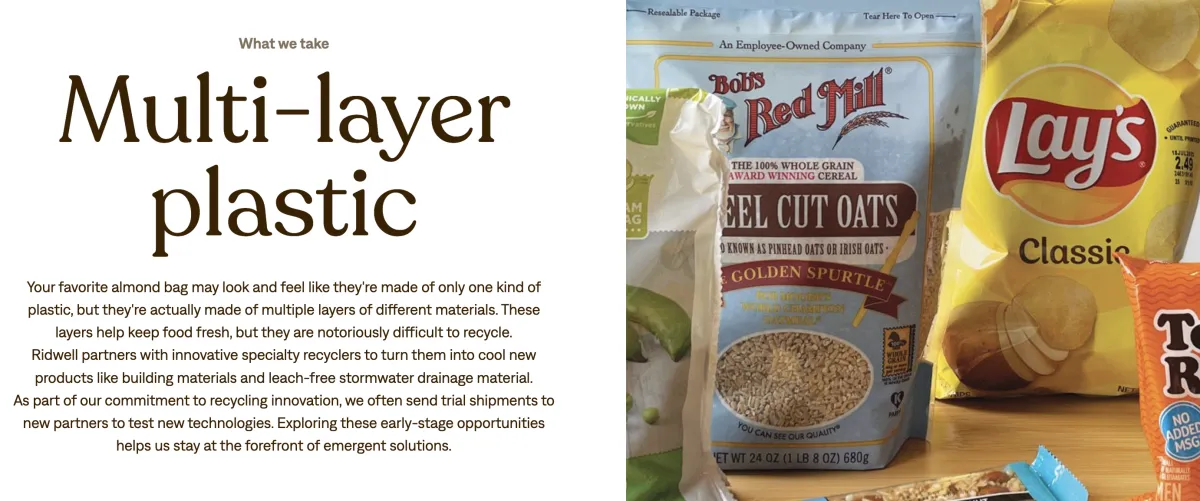
Ridwell was founded by a father-son duo driven by a shared passion for making recycling easier and more accessible, especially for items that traditional curbside programs often reject. This innovative company focuses on tackling the growing problem of hard-to-recycle waste by offering a subscription-based service that collects materials like batteries, multi-layered plastic bags, textiles, paint, and more. Ridwell’s mission is to close the loop on these challenging waste streams by providing households with convenient mail-in bags that come with prepaid, net-zero shipping, ensuring an eco-friendly and hassle-free recycling experience.
Multi-layered plastic bags, commonly used for snacks, coffee, and other food packaging, are particularly problematic for recycling facilities because their mixed materials are difficult to separate and process. Globally, millions of tons of these plastic films contribute to pollution, often ending up in oceans and harming marine life. Ridwell’s program helps divert these materials from landfills and the environment, addressing a critical source of plastic pollution. However, one limitation of the service is that Ridwell does not provide feedback if users send items that don’t meet their recycling criteria, so it’s important for subscribers to carefully follow guidelines to ensure their materials are properly processed. By making recycling for tough materials more accessible, Ridwell empowers consumers to reduce waste and support a more sustainable future.
Ridwell can also take pill bottles, plastic caps and clamshells, for a full list click here.
Don't Forget - Composting is a Form of Recycling!
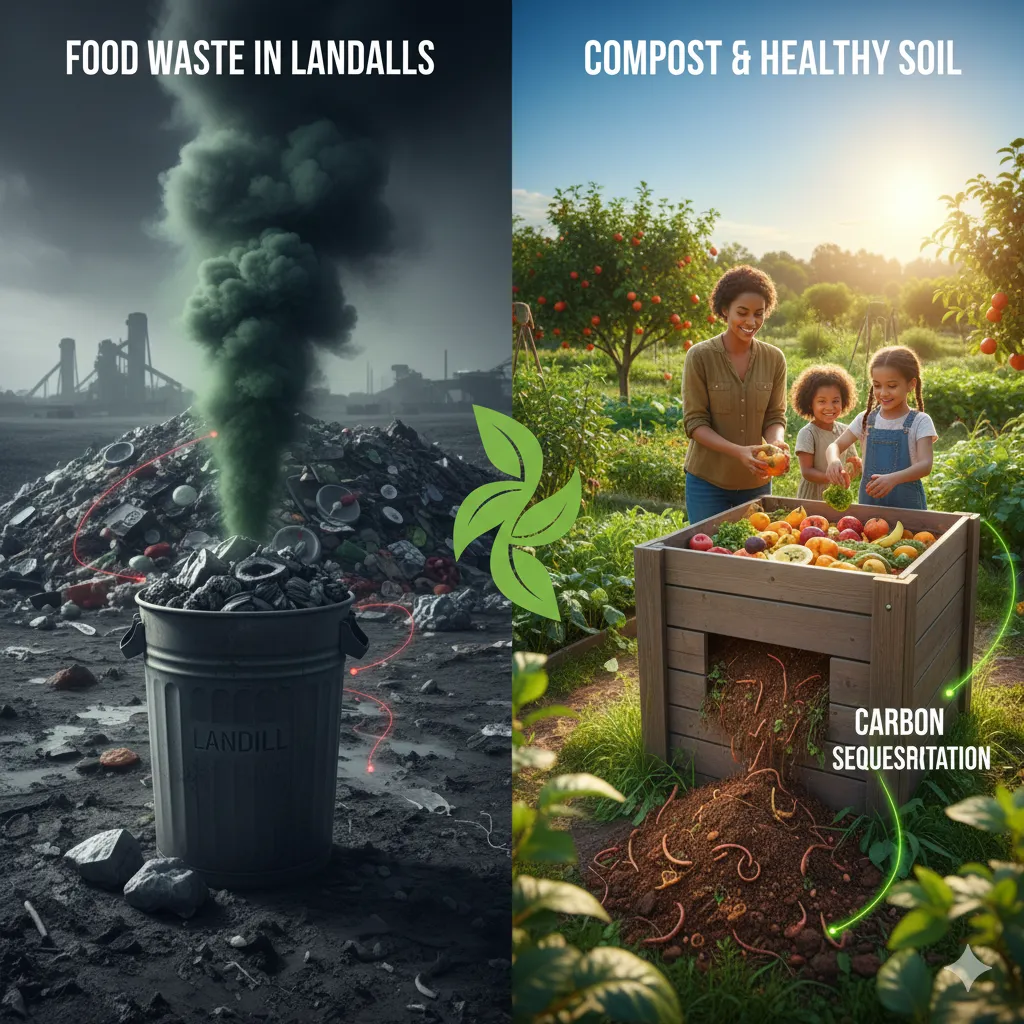
Composting is a powerful natural process that recycles essential nutrients—Carbon (C), Sulfur (S), Hydrogen (H), Nitrogen (N), Oxygen (O), and Phosphorus (P), collectively known as CHNOPS—back into the soil, sustaining plant growth and maintaining ecosystem health. When organic waste like food scraps, yard trimmings, and paper products decompose aerobically through composting, these vital elements are broken down by microorganisms and transformed into nutrient-rich humus. This humus enriches soil fertility, improves water retention, and supports the complex web of soil life, creating a regenerative cycle that replenishes the earth rather than depleting it.
Beyond nutrient recycling, composting plays a crucial role in reducing greenhouse gas emissions. When organic waste is sent to landfills, it decomposes anaerobically (without oxygen), producing methane—a potent greenhouse gas with a global warming potential approximately 28-36 times greater than CO₂ over 100 years (EPA). Composting, by contrast, encourages aerobic decomposition, which primarily releases carbon dioxide, a far less harmful gas in the context of climate change. According to the EPA, diverting organic waste from landfills to composting facilities can reduce methane emissions by millions of metric tons annually. This makes composting not only a nutrient recycler but also a critical climate action strategy to combat landfill methane emissions and support healthier soils worldwide.
To find composting near you please check out: Sustainable Packaging