
Eco-Mindful Musings
Sustainable Lifestyle Diaries

Chocolate and Child Labor
Children are exploited through the chocolate industry and big brands like Nestle, Mars and Hershey aren't doing enough to combat the issue.
THE DARKER SIDE OF CHOCOLATE
As Halloween creeps closer, it's time for playful costumes, spooky fun, and, of course, mountains of candy! Yet, beneath the sweet surface of our beloved chocolate treats lurks a chilling reality. The chocolate filling our trick-or-treat bags may have a dark origin, harvested by small hands in Africa. The U.S. Department of Labor reveals that over 1.5 million children labor in the cocoa fields of Ghana and Ivory Coast, regions responsible for 60% of the world's cocoa (USA Today).
These young workers endure hazardous conditions, from handling dangerous chemicals to working in sweltering fields and lifting heavy loads. Despite commitments from major chocolate brands to address child labor, these serious issues persist, casting a long shadow over the industry.
But this isn't just about chocolate. The cocoa industry is caught in a vast web of modern slavery, a global crisis affecting 40.3 million people. Human trafficking, a monstrous $150 billion-a-year enterprise, exploits the vulnerable worldwide.
Chocolate, a cherished treat globally, is tainted by a troubling history of worker exploitation. It's vital for chocolate lovers to ensure their indulgence doesn't harm others. In the U.S., there's a significant chance that a chocolate bar is linked to child labor. Two-thirds of the world’s cocoa comes from West Africa, where a 2015 U.S. Labor Department report found over 2 million children engaged in hazardous labor (Washington Post). Major brands like Hershey, Mars, and Nestlé have failed to guarantee their chocolates are free from child labor.
West Africa produces about 70% of the world's cocoa, much of which is exported to America. The U.S. Department of Labor reported last year that 1.56 million children are working on cocoa farms in Ivory Coast and Ghana (Humanium). Despite the industry's $103 billion annual sales, efforts to eliminate child labor have been insufficient, with only $150 million spent over 18 years without significant progress.
The industry's most notable attempt to address this involves purchasing cocoa certified for ethical practices by third-party organizations like Fairtrade and Rainforest Alliance. However, this initiative is weakened by inadequate enforcement of child labor rules, with inspectors visiting fewer than 10% of cocoa farms (Green America).
Antonie Fountain, managing director of the Voice Network, criticized companies for minimal efforts, stating, “It’s always been too little, too late. It still is.” He emphasized the lack of consequences for failing to meet child labor eradication goals, highlighting the absence of fines or prison sentences (Food Empowerment Project).
According to the U.S. Labor Department, most child laborers in the cocoa industry work on their parents’ farms, engaging in dangerous tasks such as handling machetes, carrying heavy loads, and spraying pesticides. A smaller group, trafficked from nearby countries, face even more severe conditions (Washington Post).
During a March visit to Ivory Coast’s cocoa regions, journalists from The Washington Post interviewed 12 children from Burkina Faso working on cocoa farms. Without parental accompaniment, these children were paid meager wages, with intermediaries taking a significant cut (YouTube).
As someone with a sweet tooth, I understand the allure of chocolate. I first discovered the problem when a young advocate, one of my students (at the time), implored me to find an alternative to the treats I was offering my students as rewards. She found the widespread inaction and indifference disheartening.
Armed with this knowledge, we now have the chance to turn our indulgence into a force for good!
By choosing ethically sourced chocolate, we can ensure our treats aren't tainted by exploitation!
Hope shines brightly! We hold the mighty power to ignite change and rewrite the narrative. By rallying together to demand corporate accountability, championing government efforts to uplift survivors, and opening doors to education and safe migration, we can take a stand against human trafficking and exploitation. Let's unleash our collective strength and be the heroes of a fairer world!
Every dollar you spend can be a vote for a more sustainable and equitable world. By supporting brands that prioritize fair labor practices, you can help drive change in the chocolate industry. A wonderful place to start is by shopping on anthroevolve.com, where you can find products that align with your values.
Remember, you have the power to make a difference. Let’s turn our love for chocolate into a movement for positive change! Together, we can create a world where everyone benefits from the sweetness of chocolate!
USA Today: "Halloween candy: The chocolate you buy may be tainted by child labor"
The Washington Post: "Chocolate and Child Labor"
Green America: "Chocolate Scorecard"
Food Empowerment Project: "Slavery in the Chocolate Industry"
Textile/Apparel Industry
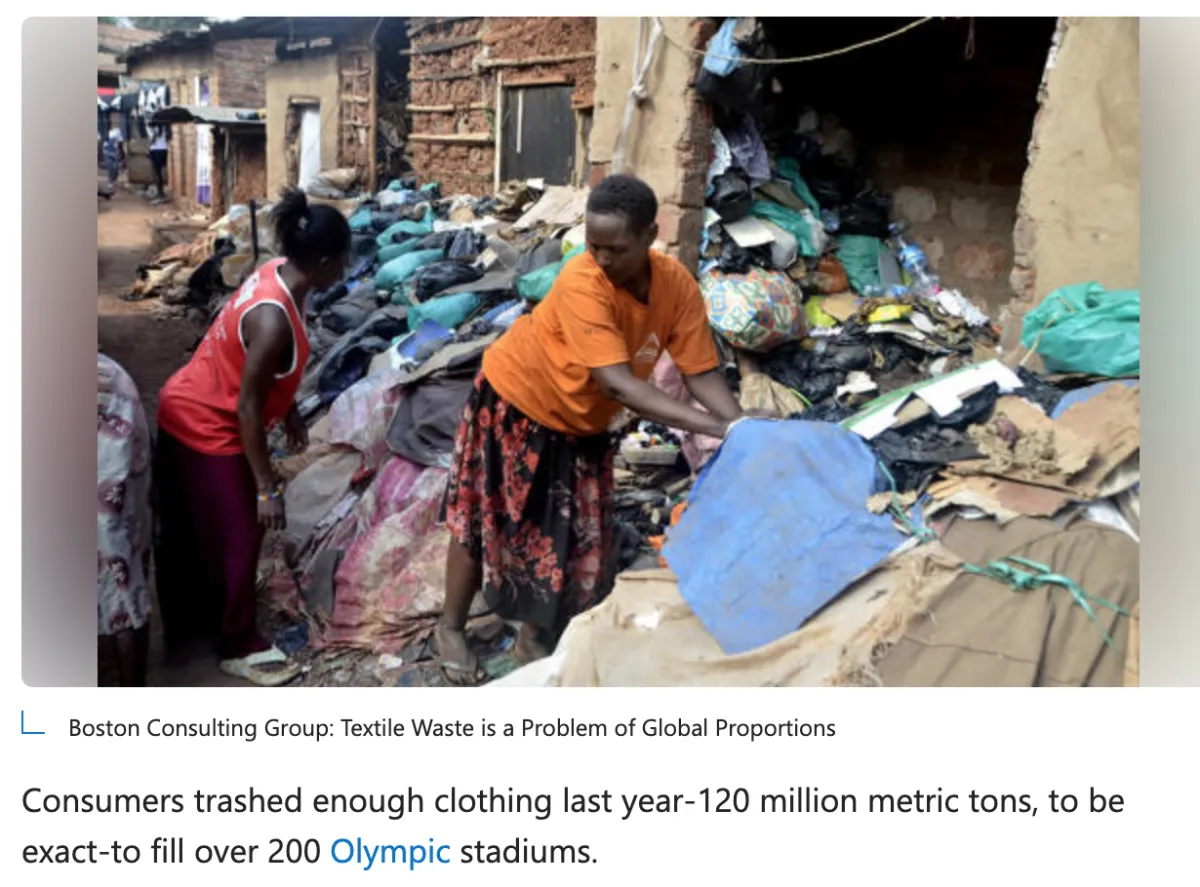
Workers in the textile industry face exploitation through systemic underpayment, forced labor, health risks and abuse, especially women.
The Hidden Realities of Fast Fashion
Child and Forced Labor Contribute to the Fashion Industry
The global apparel industry is worth about $1.7 trillion annually. According to watchdog groups, an estimated $161 billion worth of apparel and textile goods are at risk of being produced with forced labor and child labor which equate to modern-day slavery. An estimated 27 million people, and 160 million children are trapped in forced labor across the globe, many in the fashion industry.
Countries that use exploitive labor in textile production:
Bangladesh
Cambodia
North Korea
Pakistan
China
Ghana
Vietnam
If your textiles (apparel) are made in any of the countries above, you cannot be sure that the item was not produced with child or forced labor.
92 Million Tons of Textile Waste is Produced Every Year
The equivalent of a garbage truck full of clothes ends up on landfill sites every second. If the trend continues, the number of fast fashion waste is expected to soar up to 134 million tonnes a year by the end of the decade.
The Apparel Industry’s Global Emissions Will Increase by 50% by 2030
If a business-as-usual scenario prevails in the coming years – meaning that no action is taken to reduce fast fashion waste – the industry’s global emissions will likely double by the end of the decade.
The Average US Consumer Throws Away 81.5 lbs of Clothes Every Year
In America alone, an estimated 11.3 million tons of textile waste – equivalent to 85% of all textiles – end up in landfills on a yearly basis. That’s equivalent to approximately 81.5 pounds per person per year and around 2,150 pieces per second countrywide.
The Fashion Industry is responsible for 20% of global waste water.
Dyeing and finishing – the processes by which color and other chemicals are applied to fabrics – are responsible for 3% of global CO2 emissions as well as over 20% of global water pollution. Along with yarn preparation and fibre production, these two processes have the highest impacts on resource depletion, due to the energy-intensive processes based on fossil fuel energy.
Failure to Recycle Clothes and Under-wearing Clothes Costs $500 Billion.
The worst aspect of our reckless thrown-away culture is that the vast majority of clothes being tossed each year is not recycled. Globally, just 12% of the material used for clothing ends up being recycled. Much of the problem comes down to the materials our clothes are made from and inadequate technologies to recycle them. “The fabrics we drape over our bodies are complex combinations of fibres, fixtures and accessories. They are made from problematic blends of natural yarns, man-made filaments, plastics and metals.”
Nearly 10% of Microplastics Dispersed in the Ocean Each Year Comes from textiles.
Garments are a huge source of microplastics because so many are now made of nylon or polyester, both durable and cheap. Each wash and dry cycle, especially the latter, sheds microfilaments that move through our sewage systems and end up in waterways. It is estimated that half a million tons of these contaminants reach the ocean each year.
That’s the equivalent to the plastic pollution of more than 50 billion bottles. Do your part to prevent textile microfibers from ending up in our waterways with a coraball.
2.6 Million Tons of Returned Clothes ended up in Landfills in 202 in the US Alone.
Most of the items returned to retailers from consumers end up in landfill. This is mainly because it costs more to the company to put them back in circulation than to get rid of them. Reverse logistics company Optoro also estimates that in the same year, 16 million tonnes of CO2 emissions were created by online returns in the US in 2020 – the equivalent to the emissions of 3.5 million cars on the road for a year.
Textile Waste and Recycling Challenges
Recycling textiles poses significant difficulties, primarily because many garments are composed of multiple materials, complicating the recycling process. To address these challenges, initiatives aimed at controlling the origin and manufacturing processes of textiles are being explored, particularly in states like Colorado and California.
Challenges in Textile Manufacturing
One of the most significant hurdles in textile manufacturing is the dyeing process, which is both complex and potentially harmful. The dyeing stages include:
Fiber dyeing (also known as stock dyeing)
Yarn dyeing
Fabric dyeing
Garment dyeing
The use of synthetic dyes is prevalent, and unfortunately, these dyes often have negative environmental impacts, contaminating air, water, and soil.
Fabric dyes and treatments contribute to 20% of all industrial water pollution.
Approximately 10,000 different dyes are used in industrial applications.
Around 8,000 synthetic chemicals are employed to bleach, treat, or brighten clothing.
Azo dyes, which are used in 60%-70% of all industry dyes, are recognized carcinogens.
Textile plant wastewater is the most polluting among industrial sectors due to its volume and effluent composition.
During dyeing, 10-50% of colorants can be lost to the environment, depending on the chemicals and colors used.
Phthalates and NPEs, used extensively in textile processing, are known endocrine disruptors.
Synthetic dyes contain endocrine disruptors, which are chemicals that can interfere with hormonal systems at certain doses.
Supply Trace is a tool you can use to minimize forced labor risks in your clothing.
Stitched with Slavery in the Seams, Walk Free, Global Slavery Index
Ellen MacArthur Foundation, Extended Producer Responsibility (EPR) Policy Can Tackle Textile Waste
Global Fashion Agenda, Fashion on Climate
EPA, Textiles: Material - Specific Data
Earth.org, The Dark Side of Fast Fashion,
Earth, org, Are Microplastics Harmful and How Can We Avoid Them?
BBC, Why Clothes Are So Hard to Recycle
United Nations Environment Programme (UNEP), Putting the Brakes on Fast Fashion
Optoro, Returns Report: Powering Resilient Retail in 2020
Textile Dyeing, Heal the Planet, 2025
Textile Engineering, Different Stages of Dyeing in Textile, Nov 2024
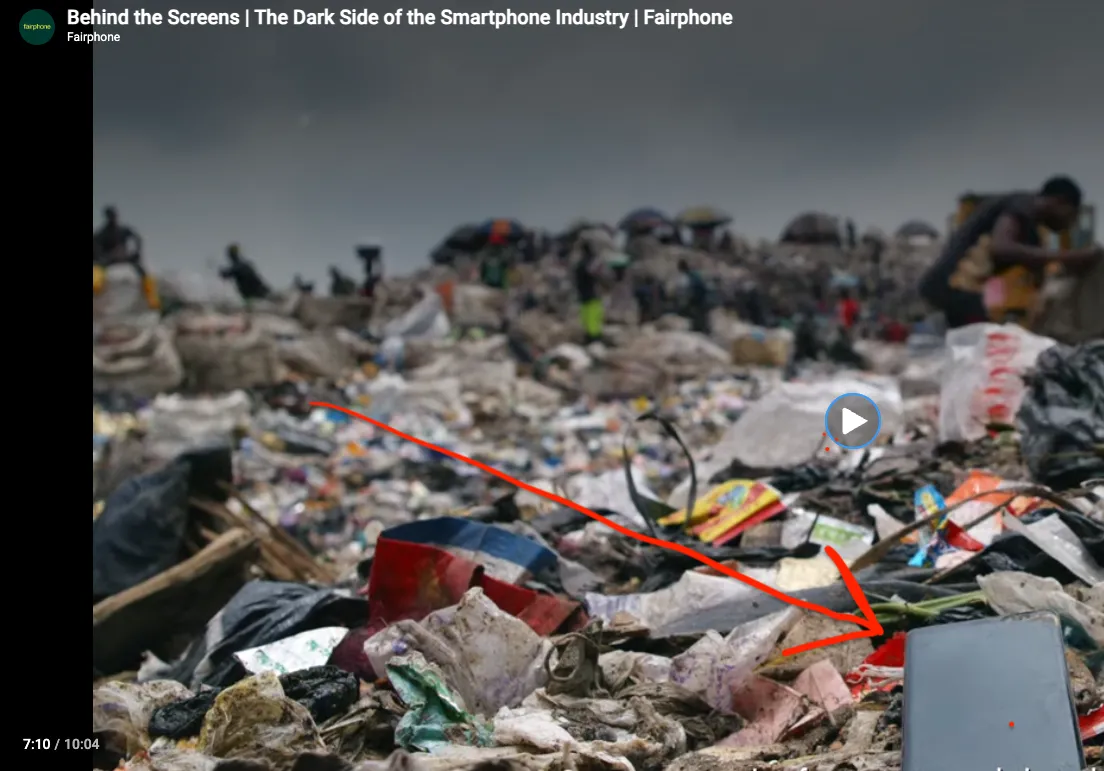
The Dark Side of the Smartphone Industry
Your shiny smartphone is powered by child labor—and you’re holding it right now.
Over half the world’s cobalt—the stuff that keeps your phone charged—comes from the Democratic Republic of Congo (DRC), where kids as young as 7 crawl through deadly tunnels to scrape ore out of the ground for $1 or $2 a day. In 2012, UNICEF estimated 40,000 children were mining cobalt in the DRC, many for your next iPhone or Samsung Galaxy. These kids risk mine collapses, toxic dust, and lifelong health damage just to fuel your endless scrolling.
And it’s not just cobalt. Your phone’s tantalum capacitors and gold wiring? Mined in the same region, often under forced labor and brutal exploitation. The supply chain is a labyrinth of middlemen, making it nearly impossible to trace where your phone’s minerals really come from. In 2016, Apple, Microsoft, and Sony admitted they couldn’t even guarantee their cobalt wasn’t mined by kids.
So what’s the fix? Some companies are finally waking up—joining ethical sourcing programs, experimenting with blockchain tracking, and even ditching cobalt for sodium-ion or iron-phosphate batteries. But until there’s a “Fairtrade” cobalt label, the best you can do is:
Buy from brands that actually disclose their supply chains (looking at you, Fairphone: https://www.fairphone.com/).
Recycle your old devices—less demand for new mining.
Demand better—tweet at Apple or Samsung until they stop pretending they don’t know where their minerals come from.
Your phone is a miracle of modern tech—but it’s also a human rights disaster. Time to stop ignoring the cost of your next upgrade.
Plastics, Plastics, Everywhere There's Plastics
By AnthroEvolve Cooperative
Over the past 70 years, plastic production has surged dramatically, showing no signs of slowing. The boom began in the 1950s, with annual production skyrocketing nearly 230 times to reach 460 million tonnes by 2019.
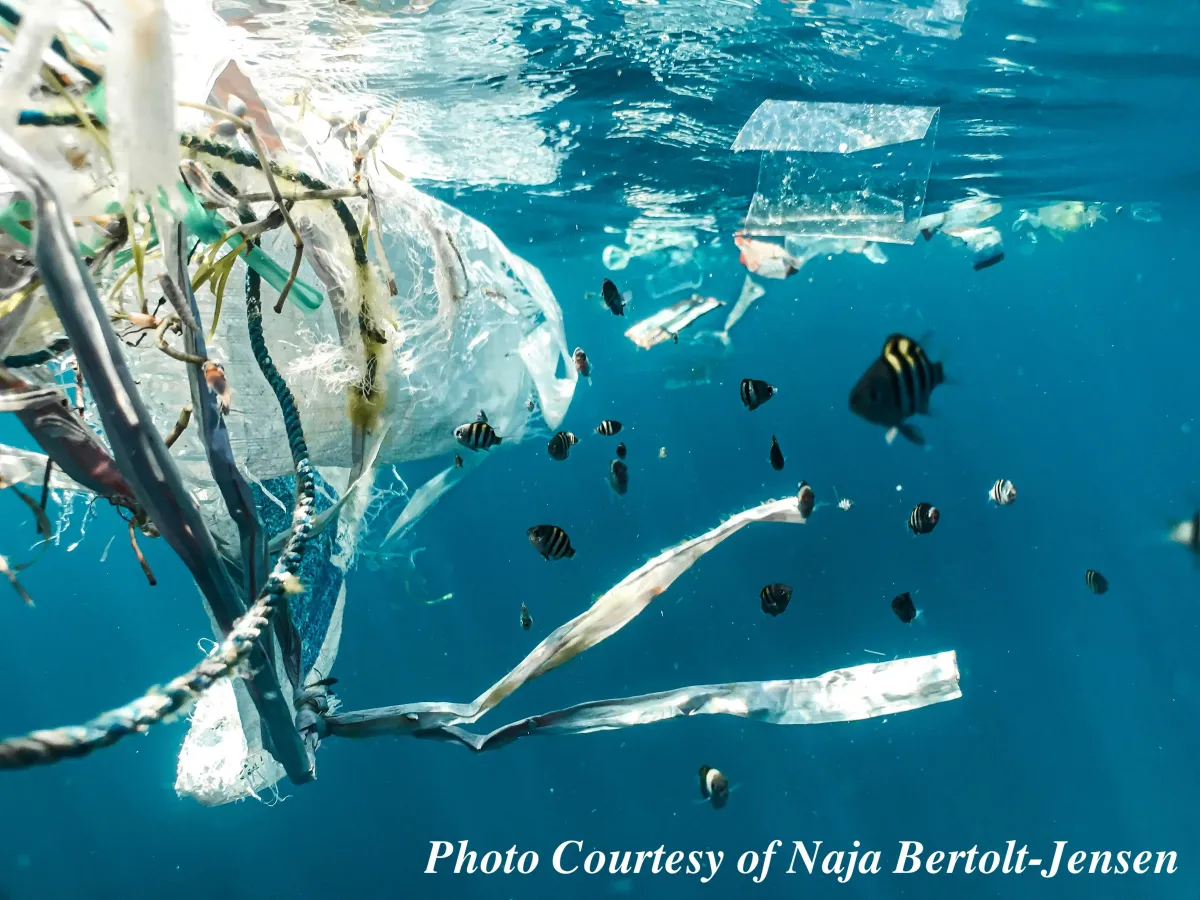
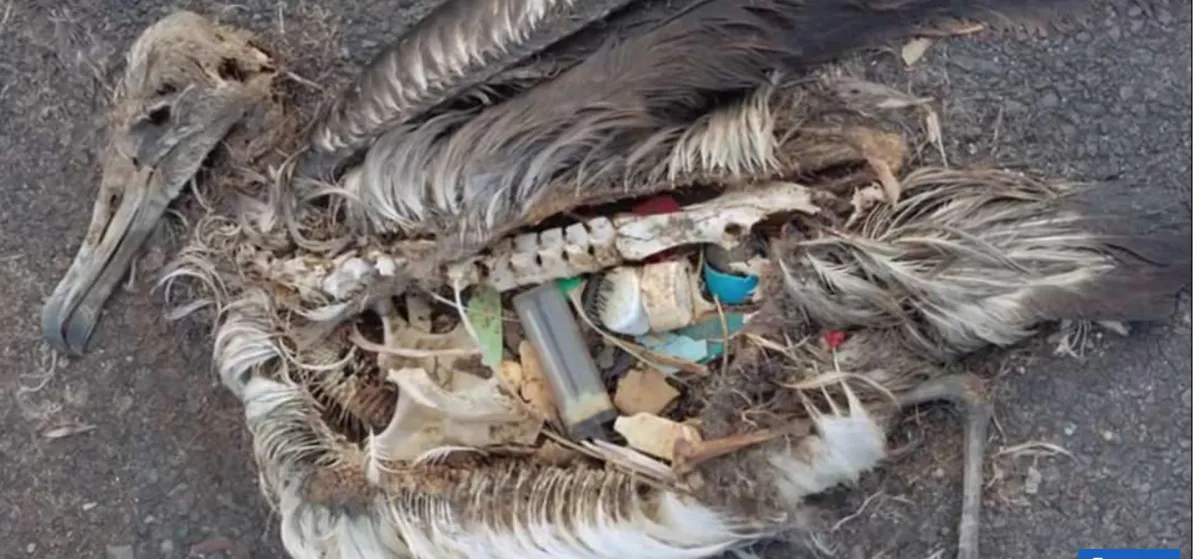
Unfortunately, one to two million tonnes of plastic end up in our oceans each year, posing threats to wildlife and marine ecosystems.
Plastics are composed of long polymers, making them resistant to bio-degradation. Instead of biodegrading, plastics break into smaller pieces, persisting in the environment.
Nearly every piece of plastic ever made still exists today, except for a small fraction that has been incinerated.
Consequently, microplastics are now pervasive, found in the water we drink, the food we eat, the clothes we wear, and even the air we breathe.
They've infiltrated every corner of the globe, from the highest mountains to the deepest ocean trenches.
The impact of plastic is both ecological and economic, affecting biodiversity, public health, coastal livelihoods, and critical sectors like tourism, fisheries, and agriculture.
A study found a measurable detrimental impact of $13- $28 million on the tourism industry due to plastic pollution.
Plastics aren’t readily recyclable.
Despite efforts, plastics aren't easily recyclable. Most plastics end up in landfills, with only about 5% being effectively recycled. As plastic production is set to triple by 2050, the problem is expected to worsen.
The vast majority of plastic that people use and in many cases attempt to recycle goes straight to the landfill.
The amount of plastic that is actually turned into new things is around 5%.
Waste management experts highlight the challenges: collecting and sorting plastics is costly and complicated due to the thousands of different types that can not be melted together.
Plastics degrade after a few uses, becoming more toxic when recycled.
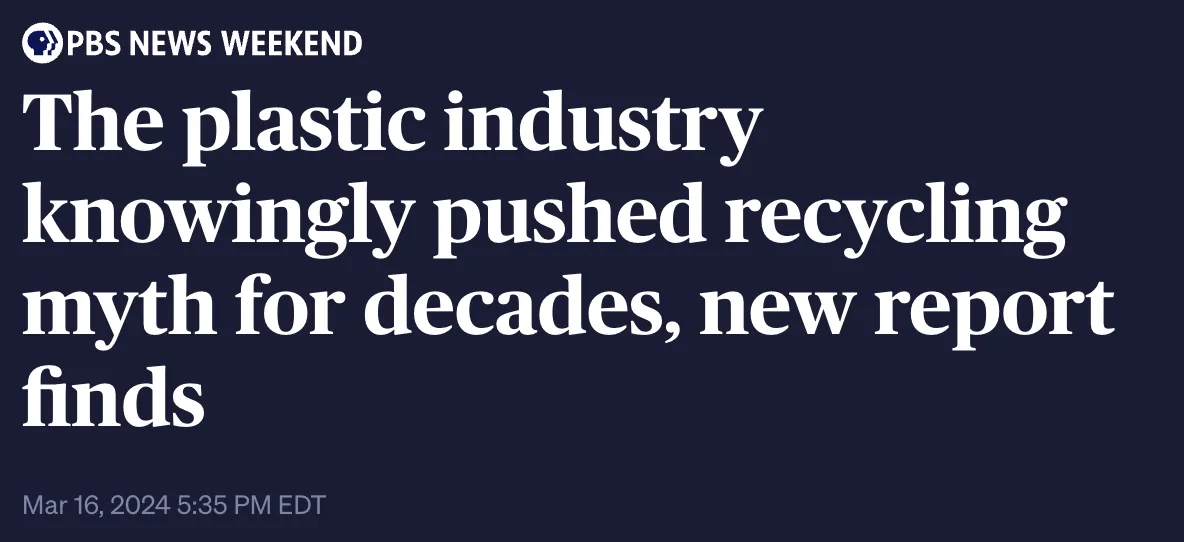
Despite knowing these challenges, the plastic industry has spent millions promoting the notion that plastics are recyclable, leading the public to believe the system works.
If the public believes that plastic is recyclable and the system is working, we will be less concerned about doing anything about it.
In the last 70 years of the plastic explosion, less than 10% of it has ever been recycled.
Making new plastic has been easier and less expensive than making it out of plastic trash.
“There is no recovery from obsolete products, plastic degrades through each turn-over.”
“A degradation of resin properties and performance occurs during the initial fabrication, through aging, and in any reclamation process.”
Recycling is “costly,” and sorting it is “infeasible.”
"The costs of separating plastics ... are high," he tells colleagues, before noting that the cost of using oil to make plastic is so low that recycling plastic waste "can't yet be justified economically."
At a time when the plastics industry was coming under fire, the industry began a $50 million-a-year campaign promoting plastic.
Even with all the information out there, we are still arguing over plastic.
In August of this year, global talks halted even though 100 countries wanted to curb production of plastic but oil states insisted on pushing for a focus on recycling.
A new study reveals that we may have “breached Earth’s threshold for chemical pollution.” Not only does plastic contain a complex mixture of chemicals but it attracts other toxic chemicals. So when plastic becomes smaller and smaller, it turns into poison pills, absorbing and concentrating all types of toxic chemicals in the environment.
Increasing the reuse of plastics can increase the release of chemicals and uncontrolled recycling can further perpetuate the spread of hazardous chemicals. There can be over 16,000 unique chemicals present in plastic.
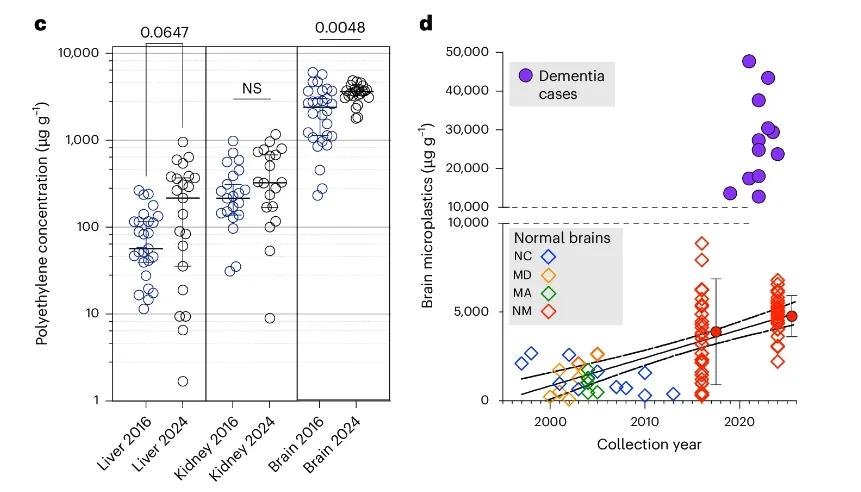
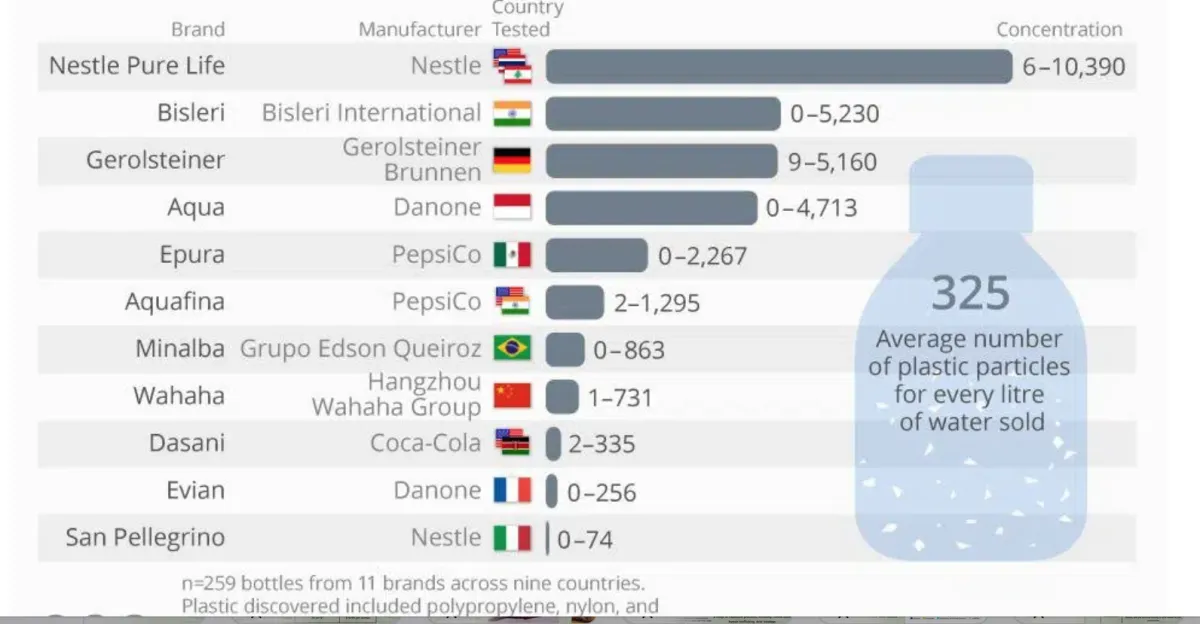
We find plastics in tea bags, seafood, meat, bottled water and the vegetables that we eat. Scientists estimate that an average human adult consumes the equivalent of one credit card per week in microplastics. Today we have found microplastics in human tissue, accumulating more in the brain than any other organ.
Microplastics enter our water supply through the laundry. Clothes made with nylon and other synthetic materials shed in the washing machine and dryer.
Microplastic beads (microbeads) are used in many toothpastes and beauty products. Obama signed a law banning microbeads in toothpaste and cosmetics in 2015.
Babies are being born with plastic in their stools. Microplastics can line and choke arteries.
Bioaccumulation of microplastics are found in human brains and are steadily increasing.
Microplastics have been found in human testicles and sperm.
While the outlook seems bleak, there are things you can do!
1. Obviously, reduce, reuse and recycle!
2. Ditch the plastic water bottles. Water bottles have up to 90 times more microplastics than tap water.
This is so glaringly obvious but I used and re-used plastic bottles for YEARS. I loved them because they were more light-weight than metal bottles. I took them hiking - and I do a lot of hiking! I'm an idiot.
3. Get an NSF-certified water filter, and, yes, the filter is made of plastic but you can reduce microplastics shedding by ensuring only cold water runs through it. Check out some epic filters here.
4. Avoid storing food in plastic. Sunlight, acids in the food, washing in the dishwasher and physical wear and tear can degrade plastic.
5. Avoid reusing single-use plastics for food and drinks. This one hurts. I reuse all the single use utensils, cups and takeout containers that I acquire. I guess that stops today.
6. Don’t heat plastic. Avoid microwaving or heating food in plastic (including teabags, use a stainless steel strainer instead). Use glass or ceramic.
6. Wash plastic by hand, do not run it through the dishwasher. The heat leads to microplastics shedding.
7. Use wood or bamboo cutting boards. This is so obvious, but I used a plastic cutting board for years! Duh.
8. Clean your air. Reducing air born dust may reduce your exposure to inhaled microplastics.
9. Consider silicone instead of plastic! Check out Gosili! Our silicon partner!
10. Using a cora ball in the washing machine prevents up to 30% of microplastics from entering the water ways.
10.Try to avoid purchasing products in plastic! My website offers several alternatives: https://anthroevolve.myshopify.com/
The challenges of plastic waste and the fossil fuel industry's impact on the environment is nothing new.
Something we have been struggling with for over 1/2 a century.
Government subsidies to the fossil fuel industry have allowed it build infrastructure and do massive research & development while still allowing prices to be affordable.
This could easily be done with green energy and alternatives to plastic. And while there are several alternatives to fossil fuels and plastic - the fossil fuel industry, nor governments are rushing to change anything and the reasons are obvious.
Important - and incredibly simple - steps could lead to significant changes in how plastic is produced, used, and managed.
Here are some thoughts on solutions:
1) Buy-Back Policies: Implementing policies that require companies to take responsibility for their products at the end of their lifecycle could incentivize them to design more sustainable products. This concept, known as Extended Producer Responsibility (EPR), has been successful in some regions and industries.
2) Outlawing Hard-to-Recycle Plastics/Mandating Only Easily Recyclable Plastics
3)Transparency in Ingredients: Sharing information about the composition of plastics can aid recyclers in processing materials more efficiently and safely. This transparency could also lead to better consumer awareness and choices.
Unmasking the power plays of the fossil fuel and plastics industries is no small feat, but it's a battle we must fiercely engage in!
And although you feel you may not have control over that, YOU DO. With every dollar you spend.
These industries have long wielded their influence, bending policies to serve their interests and buying the silence of politicians.
Yet, the tide is turning as public awareness and advocacy rise like a powerful wave!
By championing policies that demand transparency, sustainability, and accountability, we can dismantle this grip and pave the way for a truly sustainable future, and be MINDFUL about every dollar we spend.
Let's rally together—engage with policymakers, support forward-thinking brands, and amplify our voices, through the way we SPEND EVERY HARD-EARNED DOLLAR.
Together, we can ignite change and reclaim our planet's destiny! 🌍💪
The MOST IMPORTANT thing that absolutely empowers us as consumers is knowing that EVERY DOLLAR WE SPEND is a VOTE.
We can vote every single day for a more equitable and sustainable world with where we bank, invest and purchase our products.
That’s why AnthroEvolve Cooperative, LCA was born.
We need to radically change the way we think about how we spend our money!
Every hard-earned dollar you spend can be a VOTE toward a more equitable and sustainable world!
By taking these actions, you can help mitigate the impact of plastics on our environment and health!
Bibliography:
Mapping Chemical Complexities of Plastics, Nature July 2025
We’ve Breached Earth’s Threshold of Chemical Pollution, Study Says, Jan 2022
Microplastics Pose Risk to Ocean Plankton, Climate, Other Key Earth Systems, Oct 2023
Global Plastics Talks Collapse as Countries Remain Deeply Divided, BBC Aug 2025
Plastics Make It Possible, 1997
How Big Oil Misled Public Into Believing Plastic Would Be Recycled, NPR Sep 2020
Not Just Trash: Why Plastic Pollution is an Economic & Ecological Emergency, Oct 2025
Even Mt Everest, the World’s Tallest Peak Can’t Escape Microplastics, Smithsonian Mag Nov 2020
Plastic Bag Found at the Bottom of World’s Deepest Ocean Trench, National Geographic Apr 2025
Microplastics and Our Health: What the Science Says, Stanford Jan 2025
Bioaccumulation of Microplastics in Decedent Human Brains, Nature Feb 2025
Our World in Data: Plastic Pollution, Oct 2023
How Microplastics are Infiltrating the Food You Eat, BBC Jan 2023
Getting Microplastics Out of Our System, Harvard Public Health Dec 2023
Americans Eat and Inhale Over 70,000 Plastic Particle Each Year, Time Jun 2019
Microplastics Are Everywhere. Here’s How to Avoid Eating Them, NY Times Apr 2025
The Economic Cost of Plastic Debris in East Africa, May 2023
Every Single Piece of Plastic Ever Made Still Exists. Here’s the Story., Jan 2017
Recycling Plastic is Practically Impossible—and the Problem is Getting Worse, NPR Oct 2022
Baby Poo Has Ten Times More Microplastics Than Adult Feces Smithsonian Mag Sep 2021
What Are Microplastics? NOAA, June 2024
The Microbead-Free Waters Act: FAQs
Study Finds Microplastics in 93% of Bottled Water, Forbes Mar 2018
Plastic Junk? Researchers Find Tiny Particles In Human Testicles, NPR May 2024
The World is Pumping Out 57 Million Tons of Plastic Pollution a Year, Sep 2024

Our Best Friends - And Our Biggest Blind Spot


How to Love Your Dog and Protect the Wild World We All Depend On
We love our pets.
We love them in the big, soft-hearted, no-questions-asked way that humans have loved companion animals for thousands of years. They curl into our shadows, they rest their heads on our knees, and they greet us with a level of devotion we rarely receive from other humans.
They are comfort.
They are family.
They are our hearts with paws.
And yet — this love story has a plot twist most people never see.
Because our pets, as wonderful as they are, leave footprints far larger than their paws.
And if we’re going to build a world where nature, wildlife, and biodiversity are still standing fifty years from now, then we need to talk — honestly, lovingly, courageously — about the impact of the creatures we adore.
Not to shame.
Not to scold.
But to empower.
This is how we evolve.
Together.
The Hard Truth Hidden Behind the Wagging Tail
I say this with a lump in my throat because I’ve lived it:
I let my own dog roam freely years ago.
She loved to wander. She loved the wind, the grass, the secret corners of the world.
And then one day, she was hit by a car.
That loss still aches.
It taught me two things at once:
Dogs deserve protection.
Wildlife deserves protection from our dogs.
And that second truth is harder to say out loud.
Dogs — the creatures we buy sweaters for and bake birthday treats for — are the most abundant large carnivore on the planet. One billion strong.
Not bears.
Not wolves.
Not mountain lions.
Dogs.
And the research is devastatingly clear:
Dogs disrupt ecosystems everywhere they go.
Even the sweetest ones. Even the quiet ones. Even the ones who “never chase.”
Studies compiled from 2016–2025 show that dogs:
● drive away birds and small mammals
● interrupt feeding, nesting, and migration
● increase stress hormones in wildlife
● reduce habitat availability up to 100 meters from trails
● displace species permanently in areas with frequent dog presence
In the Greater Yellowstone ecosystem, there are roughly:
2,000 wolves, grizzlies, and mountain lions combined
…but on a single sunny day, an estimated 200,000+ dogs show up alongside hikers.
This is not a fair fight.
And nature is losing.
The Poop Problem Nobody Wants to Talk About
Love will make us clean up almost anything…
But most people don’t even see where their dogs go half the time.
And dog waste isn’t “natural.”
It isn’t “like wildlife.”
And it doesn’t “break down harmlessly.”
The science on this is painfully blunt:
Dog waste and urine introduce pathogens, parasites, and excess nutrients into soils and waterways.
The damage includes:
● bacterial contamination
● algae blooms
● nitrogen overload
● soil chemistry disruption
● plant die-off
● wildlife exposure to fecal pathogens
When dogs enter waterways, they also shed chemical residues from flea and tick treatments — and this part is truly alarming.
Those wash-off chemicals include neurotoxins, many of which (Bravecto, Credelio, Nexgard) have been linked to:
● seizures
● neurological issues
● birth defects
● memory loss
They show up in water samples, breastmilk, soil sediment, and wildlife tissue.
They make up 20–24 percent of wastewater pollution in some regions.
Not from industrial plants.
Not from factories.
From pets.
Our pets.
Flea Treatments: The Hidden Toxin Trail
Here is the part that shocks people most.
Even when you apply flea treatment correctly — topically or orally — it enters the environment through:
● dog fur and skin shedding
● urine
● bathwater
● rainwater runoff
● household drains
● washing pet bedding
● contact transfer to humans
Several common active ingredients are chemically similar to pesticides banned for agricultural use.
Avoid flea treatments containing:
❌ fipronil
❌ permethrin
❌ imidacloprid
❌ dinotefuran
❌ nitenpyram
❌ tetrachlorvinphos (TCVP — extremely dangerous to pets, children, pregnant women)
They harm:
● aquatic ecosystems
● pollinators
● soil organisms
● birds
● fish
● amphibians
● your own dog
But there are safer options — and this is the empowering part.
Check out Learn Fetch (a company dedicated to conscious canine care) and consider natural alternatives from Prana Pets.
Nature does not need us to be perfect.
It needs us to be aware.
It needs us to course-correct.
Off-Leash Dogs: A Silent Force Reshaping the Wild
I know off-leash freedom looks magical.
Wind. Joy. Tongues flapping.
It feels like love.
But here’s what the data shows:
Off-leash dogs trigger flight responses in wildlife even when no chase occurs.
Animals react to the scent alone.
In fact, some species avoid entire regions permanently when dogs visit regularly, a process called functional habitat loss — meaning the land still exists but can no longer support life.
That is irreversible.
And globally, dogs have been documented killing or disrupting hundreds of endangered or vulnerable species — from penguins to tortoises to ground-nesting birds.
Not because dogs are “bad.”
Because they’re predators.
We brought them into ecosystems that were never designed for them.
In Colorado (and many states), it is illegal for dogs to chase wildlife.
Not because the state hates dogs.
But because wildlife can’t afford the energetic cost.
A single chase can mean:
● miscarriage in pregnant animals
● starvation in winter
● separation from young
● exposure to predators
● immune suppression
● stress-induced illness
This is the part most dog owners never see.
Because the harm happens quietly, deep in the brush, long after the moment is forgotten.
But ecosystems remember.
Every time.
**So What Do We Do?
Love our dogs less?
Absolutely not.**
We love them better.
We love them with honesty and awareness and stewardship.
We choose flea treatments that don’t poison streams.
We keep them leashed in wild spaces.
We protect the places they cannot understand they’re harming.
And we remember this:
Loving nature means loving all of it — not just the parts sleeping on our couch.
We can do both.
We must do both.
A New Era of Conscious Pet Care: What AnthroEvolve Is Building
At AnthroEvolve Cooperative, we’re creating a platform where sustainability is enlightening, empowering, playful, and emotionally alive.
We want to become:
✔ a hub for circular pet products
✔ a guide for toxin-free living
✔ a resource for wildlife-friendly pet ownership
✔ a community center for conscious consumers
✔ a model for how to build ethically in a world drowning in denial
Because love — real love — is reciprocal.
We give to our pets.
We give to our ecosystems.
And they give back tenfold.
You don’t have to overhaul your entire life.
You just need to shift one tiny thing at a time.
Leash the dog.
Scoop the poop.
Choose non-toxic flea treatments.
Stay on trails.
Support companies that protect the wild world your dog loves exploring.
This is what stewardship looks like.
This is what responsibility feels like.
This is what love becomes when it matures into wisdom.
Final Thoughts: A Planet Worthy of Our Dogs
Your dog loves you without hesitation.
Your dog relies on you to make choices it cannot understand.
Your dog trusts you to protect it.
And the Earth — this wild, miraculous Earth — is trusting you too.
If you cherish the forests, the meadows, the rivers, the mountains, the quiet pulse of life beneath your feet:
**Leash your dog.
Scoop the poop.
Choose safer treatments.
Choose better products.
Choose the world you want to gift them — and their children — and yourself.**
Because the future we’re fighting for has room for everyone:
the birds in the reeds,
the deer in the aspens,
the bobcats in the shadows,
and the wagging, wonderful creature by your side.
AnthroEvolve Cooperative is here to guide you, inspire you, empower you, and remind you that every choice matters.
Every dollar matters.
Every leash clip matters.
Every action is a ripple.
So let’s send ripples worth remembering.
Together.
Bibliography
Bad Dog? The Environmental Effects of Owned Dogs, Mar 2025
Certain Flea and Tick Meds Can Cause Adverse Reaction in Pets, FDA Warns, Oct 2023
Flea Treatment is Toxic to Wildlife: Here are the Facts May 2024
10 Homemade Remedies for Fleas and Ticks That Actually Work, Mar 2024
Consumer Alert: Flea and Tick Prevention Pet Products Containng Dangerous TCVP, Jul 2022
Poison on Pets II Toxic Chemicals in Flea and Tick Collars, Apr 2009
Pollutants in Breast Milk: A Scoping Review of the Most Recent Data in 2024
Domestic Dogs and Unintended Impacts on Wildlife, Nov 2023
Dogs' Becoming Major Threat to Wildlife Feb 2019
CPW Reminds Residents it's Illegal for Dogs to Chase Wildlife, Oct 2021
Man's Best Friend may be Nature's Worst Enemy, Study on Pet Dogs Suggests, Apr 2025
The Impact of Dogs on Wildlife, Apr 2016
The Doggoned Truth--Domestic Canines Are Not Wildlife's Best Friends, May 2023
Our Lovable Furry Felines and Wildlife
Cats are Responsible for Driving at Least 63 Species to Extinction
🐾 As a passionate cat lover and an admirer of wildlife, you're about to embark on a thrilling journey to balance the scales of nature!
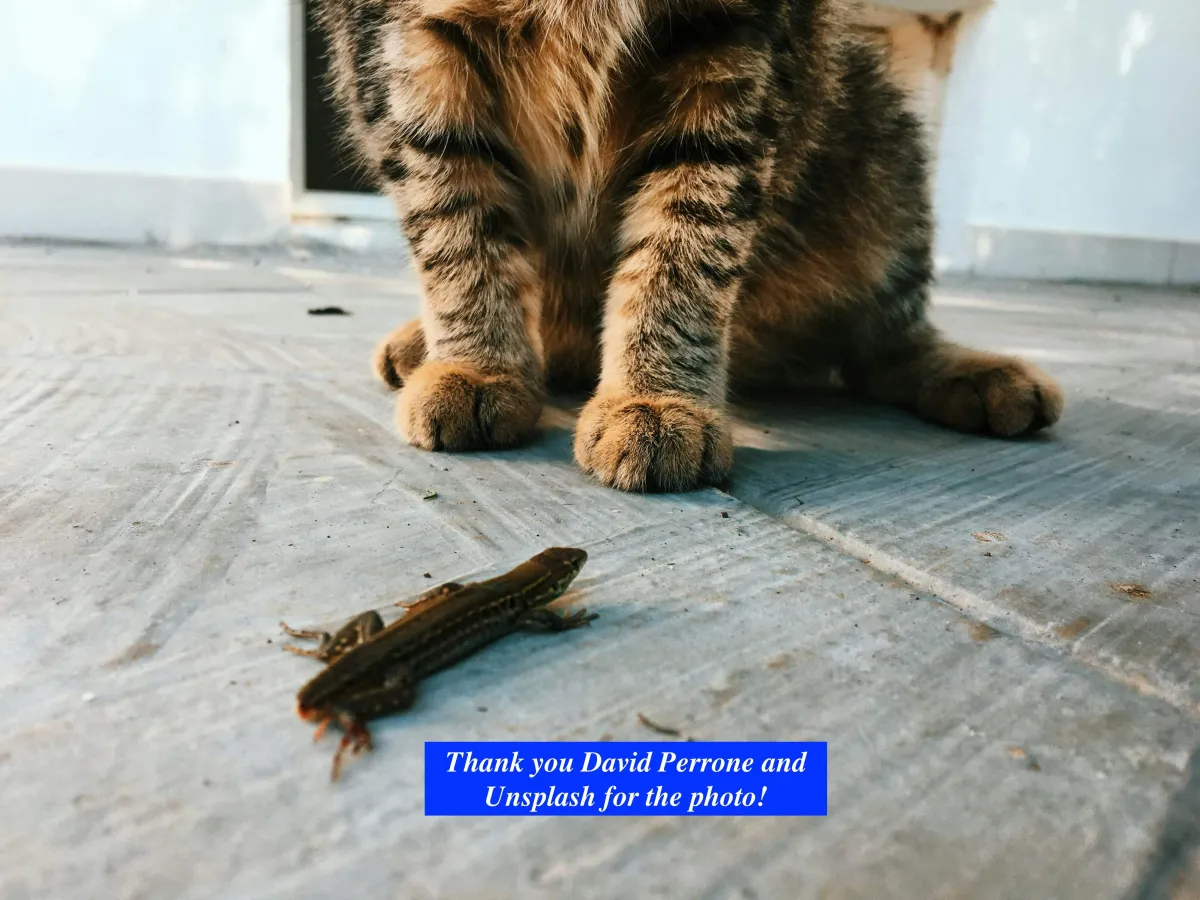
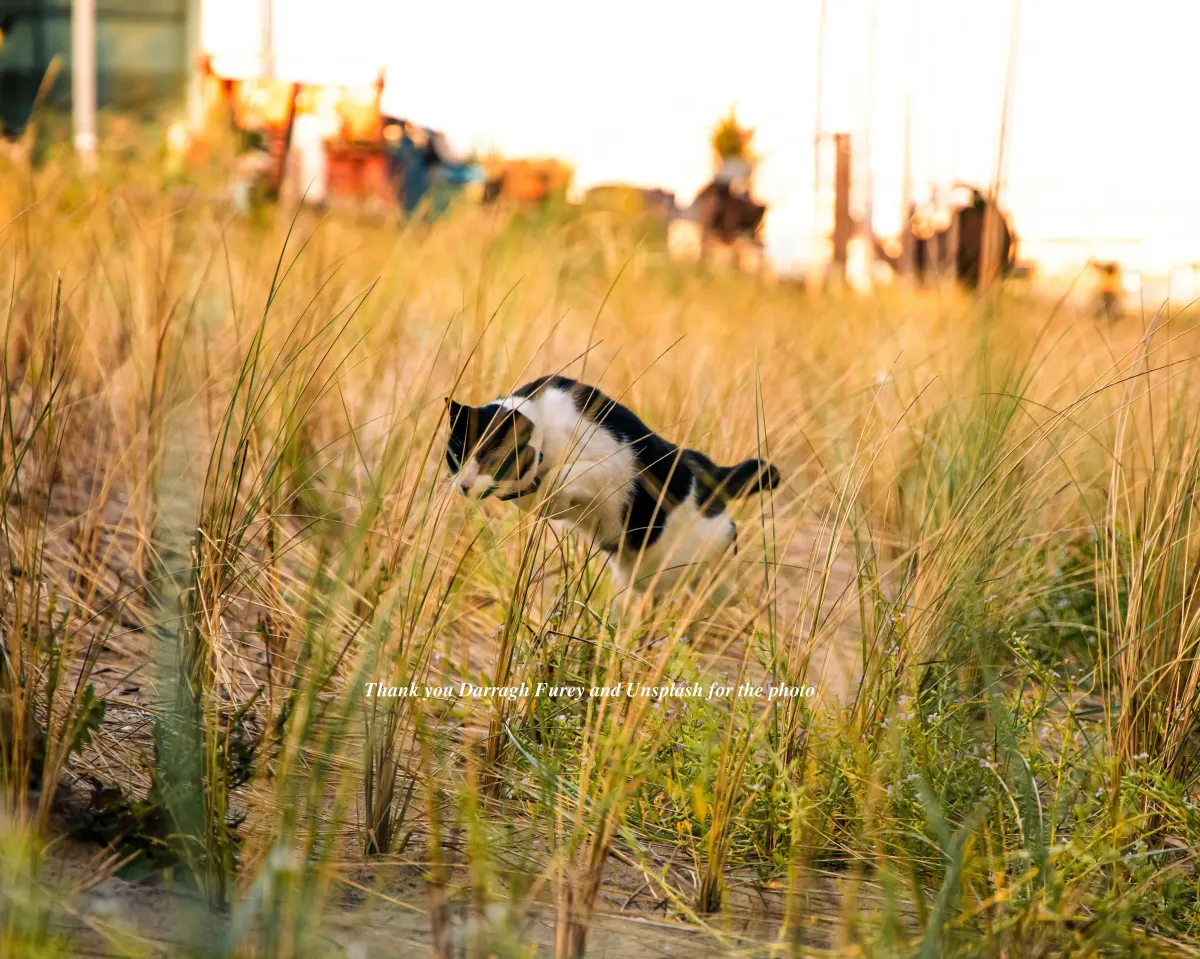
Did you know that our feline friends have a wild side? Cats have been linked to the extinction of 63 species of birds, mammals, and reptiles, and in the US alone, they stealthily claim 2.4 billion birds annually!
Up to 164 million cats reside in the United States with an estimated 30-80 million of those being feral cats.
Pet cats kill 2 to 10 times more wildlife than similar sized wild predators.
But fear not, for you can transform your purring predator into a peaceful companion with these captivating tricks:
Adorn your cat with a charming bell or a Birdsbesafe collar, turning them into a very bright and/or noisy jingle-jangle of the neighborhood, giving potential prey a chance to escape!
Serve up a feast fit for a feline with protein-rich food, ensuring your kitty is satisfied and less inclined to hunt for their next meal.
Unleash the hunter within through daily play sessions! A feather toy on a wand can be the perfect way for your cat to channel their instincts indoors!
Finally, keep your adventurous kitty indoors, the ultimate way to ensure your beloved cat remains a gentle, non-murderous companion.
Together, let's create a harmonious world where cats and wildlife can coexist! 🌟🐦
Bibliography
Pet Cats Have Up to '10-times Larger Impact on Wildlife Than Wild Predators, BBC Mar 2020
Free-Ranging and Feral Cats, US Dept of AG, Oct 2021
Cats and Birds, American Bird Conservancy, 2025
Cats Pose an Even Bigger Threat to Birds than Previously Thought, Audobon Jan 2013
Wolves: The Ecological Workhorses Rebuilding Broken Landscapes
When most people think of wolves, they picture teeth, legends, and maybe a few childhood fairy tales that really didn’t do the species any favors.
Ecologists, on the other hand, see something completely different: a heavy-duty, four-pawed “work crew” that quietly maintains forests, grasslands, and rivers without ever sending an invoice.
Wolves are what scientists call apex predators and often keystone species. Remove them and the entire system starts to wobble. Restore them and, in many places, life surges back in ways that look almost like magic… except it’s just biology doing its job.
Let’s walk through what makes wolves such astonishing ecological workhorses.
1. The Job Description of an Apex Predator
If you translated a wolf’s ecological résumé into human language, it might read something like:
Title: Top carnivore / system regulator
Main duties: Reduce overabundant herbivores (elk, deer, moose) Push prey to move instead of overgrazing one place Create food for dozens of other species via leftover carcasses Indirectly help plants, insects, birds, and even rivers
When wolves are present, large herbivores can’t just loiter in their favorite all-you-can-eat buffet. They have to stay alert, move more, and avoid high-risk spots like open riverbanks or exposed valleys. That behavioral change alone can be enough to give overgrazed plants a chance to recover.
So wolves aren’t just “eating things.” They’re redistributing pressure across the landscape. That’s real work.
2. Yellowstone: What Happens When the Boss Comes Back
Yellowstone is the poster child for how powerful wolves can be in a broken system.
Wolves were eradicated from Yellowstone by the 1930s.
Without them, elk populations boomed and heavily grazed young willows, aspens, and cottonwoods.
Riparian zones (river-adjacent plant communities) were hammered. This affected birds, beavers, insects, and fish habitat.
In 1995, gray wolves were reintroduced to Yellowstone National Park. Since then, we’ve seen one of the most famous examples of a trophic cascade: the indirect chain reaction that ripples down from apex predators to plants and even physical landscapes.
Recent research shows:
Aspen stands that hadn’t successfully regenerated in ~80 years are now bouncing back.
As elk numbers and browsing pressure dropped in certain areas, young aspens finally survived long enough to become tall saplings and young trees.
This has boosted habitat for birds, insects, and beavers, helping knit the system back together.
In other words, when wolves came back, it wasn’t just about wolves. It was about trees, beavers, songbirds, trout, insects, soil, and water. The whole crew got a chance to clock back in.
Is it perfectly simple? No. Other predators (bears, cougars), climate shifts, and changing bison numbers also play big roles. But the big picture is clear: wolves helped push the system toward balance again.
3. Wolves as Waste Managers & Wildlife Caterers
Wolves don’t just consume; they share. Not intentionally, of course, but their hunting behavior ends up feeding an entire backstage cast.
Every time wolves take down a large prey animal, there’s almost always meat left behind. That leftover carrion becomes a buffet for ravens, eagles, foxes, coyotes, wolverines, bears, and even beetles and microbes.
Studies in places like Denali and other northern ecosystems have shown:
Medium-sized wolf packs often leave the most meat available for scavengers.
In harsher winters, wolves may leave even more behind, which becomes a critical lifeline for smaller carnivores surviving the cold.
So wolves are not just “top predators.” They’re also energy distributors, taking solar energy that started in plants, passed through herbivores, and then redistributing it to scavengers who could never take down a moose or elk on their own.
That’s ecological labor: turning a single kill into a multi-species stimulus package.
4. Forest Gardeners & River Engineers (Indirectly)
Wolves don’t plant trees, build dams, or dig side channels in rivers themselves. But they create the conditions for all of that work to happen.
Here’s the cascade in simplified form:
Wolves reduce and redistribute elk Fewer elk in some hotspots. More cautious elk behavior & less intense browsing in sensitive areas.
Plants catch a break
Young willows, aspens, and cottonwoods survive and grow taller.
Shrubs and grasses get more time to recover between grazings.
Beavers return where willows & aspens recover
Beavers use these trees for food and building material.
More beaver dams = more ponds and wetland mosaics.
Water systems stabilize
Dams slow water, reduce erosion, and create habitat for amphibians, insects, and fish.
Complex stream structures help buffer floods and drought conditions.
Multiple lines of evidence show that in landscapes like Yellowstone, wolves contributed significantly to these vegetation and hydrology shifts, especially when combined with other factors like changing climate and human management.
So when people say “wolves change rivers,” what they really mean is:
Wolves help set off a cascade of plant and animal changes that, over time, reshape how water moves through the landscape. It’s ecosystem engineering by proxy.
5. The Isle Royale Story: Balance, Not Fairy Tales
If Yellowstone is the Instagram-ready “glow-up” shot, Isle Royale is the long, complicated documentary.
Isle Royale is a remote island in Lake Superior where wolves and moose have been studied continuously since 1958. It’s one of the longest predator-prey studies in the world.
Key insights from the Isle Royale wolf–moose saga:
When wolf numbers drop, moose numbers tend to rise, leading to heavy browsing on vegetation.
When wolves recover, they bring moose numbers and browsing pressure back down.
Climate, disease, inbreeding, and chance events all complicate these cycles.
Isle Royale shows that wolves are not magical “fix everything” creatures. They’re critical participants in a messy, dynamic system. That’s actually the point: ecosystems are complex, and wolves help hold that complexity together.
Even recent disruptions to the long-term survey (bad ice years, canceled flights) are a reminder that our ability to understand these systems is fragile too.
6. Human Benefits: From Wildlife Tourism to Climate Resilience
When wolves help restore ecosystems, the benefits don’t stop at the tree line.
Some of the human-side perks:
Wildlife tourism: People travel from all over the world to places like Yellowstone just for a chance to glimpse wolves. That means revenue for local communities via lodging, guiding, restaurants, and services.
Healthier watersheds: Better vegetative cover along rivers can stabilize banks, filter runoff, and support fish populations, which matters for Indigenous communities, recreation, and regional economies.
Biodiversity = resilience: Ecosystems with a full cast of species are generally more resilient to shocks like drought, pests, or disease. Apex predators are part of that resilience architecture.
Wolves are doing unpaid infrastructure work that would cost billions to mimic with human engineering. They are, quite literally, natural climate and biodiversity workers.
7. Why Wolves Matter in the Bigger Story of “How We Spend”
Zooming out, wolves are one chapter in a bigger story:
Do we design systems where nature works with us or systems where we have to constantly fight the damage we’ve created?
Eradicating wolves once looked like “progress.” It made ranching simpler and reduced perceived risk. But the ecological bill eventually arrived: degraded rivers, simplified ecosystems, stressed forests, and lost species.
Reintroducing wolves, protecting them where coexistence is possible, and honoring their role as ecological workhorses is part of a different model:
One where we invest in living systems instead of constantly paying to repair them.
One where predator, prey, river, forest, and human community form a more balanced ledger.
Every time we support science-based wildlife policy, conservation organizations, ethical tourism, or local coexistence projects, we’re effectively “funding” these four-legged workers to keep doing their job.
Wolves don’t send us invoices. But if they did, the line item might read:
Services rendered: Stabilized herbivore populations, revitalized forests, more resilient rivers, boosted biodiversity, and a reminder that wildness has a job in the modern world.
Paid in full… when we let them live.
Sources & Further Reading
National Geographic Education – “Wolves of Yellowstone”
Overview of wolf reintroduction in 1995 and its trophic cascade effects across the Yellowstone ecosystem.
https://education.nationalgeographic.org/resource/wolves-yellowstone
Living with Wolves – “Why Wolves Matter”
Summary of how wolves help revitalize and restore ecosystems, improving habitat and populations for many species.
https://www.livingwithwolves.org/why-wolves-matter/
Forest Ecology & Management studies on aspen recovery in Yellowstone (covered in Washington Post & LiveScience reporting)
Evidence that aspen stands are regenerating significantly for the first time in ~80 years since wolf reintroduction.
https://www.livescience.com/41584-yellowstone-wolves-aspen-trophic-cascade.html
(Washington Post coverage: https://www.washingtonpost.com/news/speaking-of-science/wp/2013/06/28/how-wolves-changed-yellowstone/)
Mission: Wolf & Oregon State Trophic Cascades Project
Accessible explanations of trophic cascades, wolves–elk–plant relationships, and vegetation recovery in Yellowstone.
https://missionwolf.org/
https://beav.es/3jz (Oregon State University project page)
Isle Royale Wolf–Moose Project (isleroyalewolf.org & NPS resources)
Six decades of data on wolf and moose interactions and their effects on vegetation in a remote island ecosystem.
https://isleroyalewolf.org/
https://www.nps.gov/isro/learn/nature/wolf-moose-ecology.htm
NPS & related research on scavenging and carrion subsidies
Studies documenting how wolves provide food for scavengers like ravens, eagles, foxes through leftover kills.
https://www.nps.gov/yell/learn/nature/wolves-scavengers.htm
https://news.berkeley.edu/2017/12/12/wolves-provide-food-for-scavengers-in-yellowstone/
Why Human Hunting Will Never Replace Wolves...
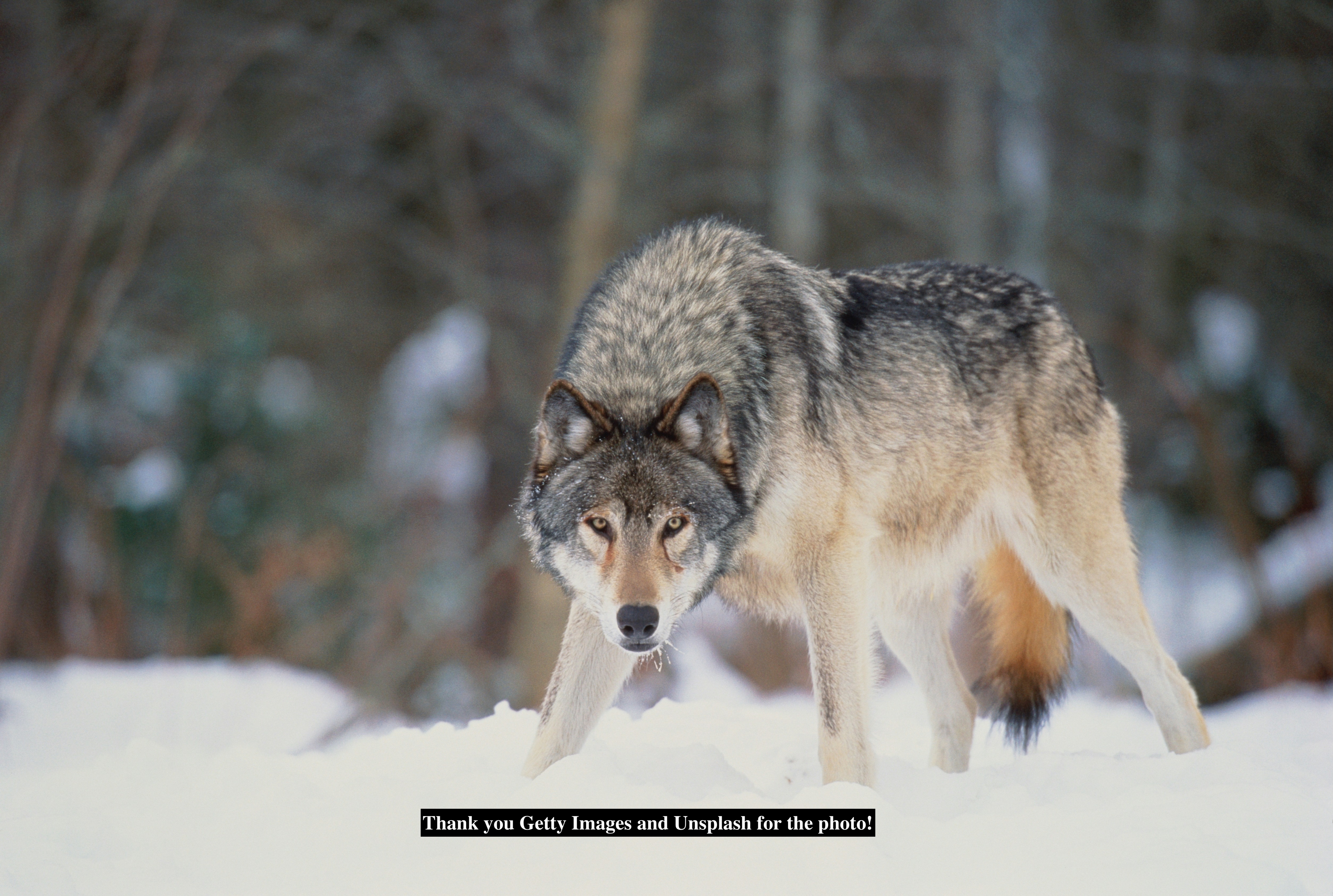
and why ecosystems need predators back!
Aldo Leopold was an American writer, professor, environmentalist and conservationist - but not his whole life. He spent his youth working to eradicate one of the most efficient predators in North America. When Aldo Leopold was young, he believed what many wildlife managers and hunters still say today:
Fewer predators = more deer
More deer = better hunting
Therefore: killing predators helps both people and “game.”
So he shot hundreds of wolves. One old female in particular changed his mind about the role of predators in North America.
On a rocky New Mexico hillside, Leopold and his colleagues fired into a pack. When they reached the old female, he watched “a fierce green fire dying in her eyes” and realized, as he later wrote in his essay Thinking Like a Mountain, that “neither the wolf nor the mountain agreed with such a view.”
That moment cracked open a truth our policies still haven’t caught up with:
You can’t simply remove predators, hand humans a rifle, and expect nature to work the same.
Human hunting will never be an adequate stand-in for predation, and if we care about forests, rivers, songbirds, and even the long-term health of deer and elk, we need predators back in the story.
Aldo Leopold wrote that essay in 1949. We’ve known for 75 years that removing predators harms ecosystems, and have done very little to introduce predators back into their native regions, with the exception of the Yellowstone Wolves, of course.
Let’s unpack why.
1. Predators don’t just “eat deer.” They structure the entire food web.
Ecologists use the term trophic cascade to describe what happens when changes at one level of the food web (like top predators) ripple through herbivores, plants, and even soil and water. In a classic top-down cascade, predators keep herbivores in check, which allows vegetation to recover, which then supports more insects, birds, and other life. Remove that top level and the whole structure warps.
A 2017 study on an island ecosystem put it bluntly: removing an apex predator triggered a trophic cascade that extended “from the ocean to the land.” Once the predator was gone, herbivores exploded, plant communities shifted, and ecosystem processes changed across habitats.
Predators shape systems in at least three big ways:
Numbers
They reduce prey populations, especially in years or places where food is short.
Behavior (“the ecology of fear”)
Wolves, big cats, sharks and others change where prey feel safe to feed, how long they linger, and when they move. That can give sensitive areas (like streambanks or young forests) a chance to recover even when total prey numbers aren’t dramatically lower.
Evolution
Predators tend to catch the young, the old, the injured and the unlucky. Over evolutionary time, that pressure shapes agility, vigilance, herd behavior and other traits that keep populations robust.
When we erase predators, we’re not just subtracting “X wolves” from a system. We’re pulling out a stabilizing pattern that touches everything else.
2. What happens when predators vanish? Forests, rivers, and birds pay.
Yellowstone: the famous (and complicated) cascade
In Yellowstone National Park, wolves were eradicated by the 1930s. Without them, elk numbers surged; at one point there were roughly 18,000 on the northern range. Elk browsed young aspens and willows so heavily that for decades, surveys found essentially no new aspen trees growing above browsing height.
Wolves were reintroduced in 1995. Since then, multiple studies have documented changes in elk numbers and behavior, plus big vegetation shifts. A 2025 paper in Forest Ecology and Management found that in Yellowstone’s northern range:
Aspen sapling density increased more than 152-fold between 1998 and 2021
For the first time in over 80 years, many stands had new young trees with trunks >5 cm diameter at chest height
In other words, after wolves came back (alongside predation by bears and cougars), the aspen forests finally began to regenerate.
Not every scientist agrees that wolves alone “saved” Yellowstone’s aspens; some 2024–2025 studies emphasize that climate, bison, elk hunting outside the park, and other factors matter too, and point out areas where aspen recovery is still limited.
But taken together, the evidence does support the idea that bringing back large carnivores helped break an 80-year logjam in forest regeneration. That’s a trophic cascade in real life: predators → elk → trees → beavers → birds → rivers.
Europe & eastern North America: deer without enemies
Yellowstone is not unique. Where large predators are absent and people protect or subsidize herbivores, similar patterns pop up.
In Switzerland’s strictly protected Swiss National Park, wolves and other large carnivores were absent for most of the 20th century and hunting is banned. Red deer densities climbed sharply after the 1920s and stayed high (around 21 deer per km² in one study area). Heavy browsing on spruce and Swiss stone pine saplings led to poor forest regeneration and a skewed age structure, with very few young trees.
In eastern North American forests, decades of overabundant white-tailed deer have:
Stripped forest understories
Prevented many tree seedlings from reaching the canopy
Reduced the abundance and diversity of understory plants, especially woody species
One natural experiment in British Columbia showed that high deer densities resulted in strong declines in songbird abundance, likely because deer consumption of shrubs removed nesting sites and reduced insect habitat.
So when we talk about “too many deer,” we’re often really talking about:
Too many deer for a landscape with no functioning predators and lots of human-provided food and edge habitat.
You can try to fix that entirely with rifles. But it’s like trying to retune an orchestra with one very loud trumpet.
3. Human hunters are “super-predators,” not ecological stand-ins.
There’s a popular myth that human hunters “replace” natural predation. The story goes something like: wolves are gone, so hunters keep deer numbers in check, which keeps forests healthy. Convenient, simple… and wrong in crucial ways.
A 2015 global analysis in Science looked at more than 2,100 predator–prey exploitation rates and coined a term many ecologists now use: humans are “super-predators.”
Some key findings:
Humans kill adult prey at much higher rates than natural predators, with median exploitation rates up to 14 times higher in some systems.
We also kill large carnivores (wolves, bears, big cats) at rates up to 9 times higher than those carnivores kill each other.
We don’t behave like just another predator. We behave like an extremely powerful, highly selective force that reshapes populations in ways nature never did.
Who we kill: big, healthy, impressive
Natural predators tend to pick off:
The young
The old
The injured
The out-of-place
That strengthens populations by removing individuals least likely to survive and reproduce.
Human hunters, especially in systems built around trophy values, prefer the exact opposite:
Largest antlers or horns
Heaviest bodies
Prime-aged adults
A growing number of studies show this size-selective harvest is changing the evolutionary trajectory of wild populations.
Work on bighorn sheep in Canada found that intense trophy hunting (favoring rams with the biggest horns) led to a genetic decline in horn length over time. When heavy selective hunting was reduced, the decline stopped, but it didn’t reverse.
In fisheries, the same pattern shows up in dramatic fashion: a 2025 study on eastern Baltic cod found that overfishing of larger individuals has helped drive the average mature body length from 40 cm in 1996 down to 20 cm in 2019, effectively halving the size of mature cod. The authors found genomic evidence that fishing pressure has reduced gene variants associated with large body size.
We are not “culling the weak and leaving the strong.” We are often culling the strong and rewarding traits that help animals avoid us (smaller bodies, earlier reproduction), not necessarily traits that make populations resilient in the long run.
When and where we kill: seasons and access, not food-web feedback
Predators are on the landscape all year. They hunt where prey are abundant, where they’re easiest to catch, and when conditions are worst for the prey (deep snow, drought, etc). Their impact is continuous and tied to ecological feedback.
Hunters are constrained by:
Short, fixed seasons
Access (roads, private land, ruggedness)
Social preferences (close to town, nice weather, weekends)
That means even high hunting pressure can fail to reduce browsing where it matters most. Studies in Europe show that deer control targeting broad areas doesn’t always prevent localized overbrowsing of young trees and shrubs, because animals simply shift activity into less hunted zones or times.
And we don’t create the same fine-scale landscape of fear. Large predators can make specific valleys, streambanks, or thickets feel risky for prey, giving plants in those spots crucial breathing room. Fear of hunters, by contrast, often just shifts activity to nighttime or deeper cover, not necessarily away from sensitive plant communities.
So even if harvest statistics say “X% of the deer herd removed,” the ecological impacts of that removal can be very different from the impacts of wolf or cougar predation.
4. Predator control doesn’t always “help the deer” anyway.
Here’s the other twist: even if you accept the narrow goal of “more ungulates for hunters,” decades of predator removal haven’t always delivered.
A 2021 analysis in the Journal of Applied Ecology reviewed predator control programs aimed at boosting ungulate numbers. The authors found that predator removal had highly variable and often modest effects on ungulate survival and recruitment, with outcomes depending heavily on context and the broader food web.
Sometimes killing predators lowered predation in the short term. In other cases, it led to:
Mesopredator release (smaller predators increasing)
Compensatory mortality (other causes of death filling the gap)
Limited or no long-term increase in ungulate densities
In plainer language: you can spend a lot of money and bullets and still not get the “more deer” outcome you were promised, while degrading the ecological role of predators and stirring up new problems.
5. Why we actually need predators back
Bringing predators back isn’t about romanticizing wolves or demonizing all hunters. It’s about putting the right players back in the right jobs.
Predators are uniquely good at:
Regulating herbivore numbers in tune with food availability
Shaping where and how long herbivores browse
Maintaining the evolutionary fitness of prey populations
Supporting forest regeneration, river stability, and biodiversity through trophic cascades
Humans, meanwhile, are uniquely good at:
Completely erasing predators from landscapes
Killing large animals at unsustainably high, selective rates
Convincing ourselves that this is “management” rather than a massive experiment in rewiring evolution and ecology
We don’t need to remove people from the system. We need to change our role:
Allow or actively support the return of wolves, cougars, bears, and other large carnivores where habitats can sustain them
Protect and reconnect habitats and migration corridors so both predators and prey can move
Shift hunting away from pure trophy selection and toward ecologically informed harvest (age/sex structures that don’t undermine genetic resilience)
Accept that a truly healthy landscape will sometimes mean fewer deer in the short term and more forest, birds, and long-term stability
Leopold’s “green fire” moment wasn’t just regret. It was a realization that mountains, forests, and rivers “think” at scales the human ego struggles to grasp. Our job isn’t to replace predators. Our job is to make room for them to do their work, and then design our own lives, economies, and recreation around that reality.
Human hunting can be one tool in a toolbox.
Predators are the operating system.
If we want rivers lined with willow and aspen instead of bare banks, forests with young trees and singing birds instead of over-browsed silence, and deer and elk herds that are robust a century from now, we don’t need a bigger rifle.
We need to let the green fire back onto the mountain.
Sources & further reading
Leopold, A. “Thinking Like a Mountain,” in A Sand County Almanac (1949).
https://ecotoneinc.com/ (Ecotone, Inc)
“Trophic cascade.” Wikipedia and ecology textbooks summarizing predator–prey cascades.
https://en.wikipedia.org/wiki/Trophic_cascade
Morris, T. et al. “Removal of an apex predator initiates a trophic cascade that extends from the ocean to the land.” Scientific Reports (2017).
https://www.ncbi.nlm.nih.gov/pmc/articles/PMC5345092/
Painter, L. E. et al. “Changing aspen stand structure following large carnivore restoration in Yellowstone National Park.” Forest Ecology and Management (2025).
https://www.sciencedirect.com/science/article/abs/pii/S0378112723001234
https://www.washingtonpost.com/science/2023/04/15/yellowstone-wolves-aspen-regeneration/
Fluri, J. The influence of wild ungulates on forest regeneration in Swiss National Park (Master’s thesis, 2023).
https://www.mdpi.com/ (search for thesis or related articles)
Habeck, C. W. & Schultz, B. C. “Community-level impacts of white-tailed deer on understory plants in North American forests.” Ecosphere (2015).
https://www.ncbi.nlm.nih.gov/pmc/articles/PMC4562469/
Allombert, S. et al. “A natural experiment on the impact of overabundant deer on forest birds.” Biological Conservation (2005).
https://www.sciencedirect.com/science/article/abs/pii/S000632070400336X
Clark, T. J. & Hebblewhite, M. “Predator control may not increase ungulate populations in the long term.” Journal of Applied Ecology (2021).
https://besjournals.onlinelibrary.wiley.com/doi/full/10.1111/1365-2664.13958
Darimont, C. T. et al. “The unique ecology of human predators.” Science (2015).
https://www.uvic.ca/science/biology/people/faculty/darimont/index.php
https://phys.org/news/2015-03-unique-ecology-human-predators.html
Pigeon, G. et al. “Intense selective hunting leads to artificial evolution in horn size.” Proceedings of the Royal Society B (2016).
https://www.ncbi.nlm.nih.gov/pmc/articles/PMC4807444/
“Overfishing has caused cod to halve in body size since 1990s, study finds.” Science Advances coverage in The Guardian (2025).
https://www.theguardian.com/environment/2025/mar/12/overfishing-cod-body-size-halved-study
BioInteractive. “Trophic Cascades & Keystone Species” educator guide. HHMI BioInteractive
https://www.biointeractive.org/classroom-resources/trophic-cascades-keystone-species