Electronics, Energy, Transporation
Solar For Everyone - Even Public Buildings

Reagan was a d*ck for removing the solar panels from the Whitehouse.
Why do we keep putting these *ssholes into office?
Imagine this: it’s the early 1980s, and the White House - the symbol of American leadership - had solar panels soaking up the sun’s free energy. Then along came Reagan, who promptly yanked those panels down like they were last season’s bad fashion.
Why does that matter? Because those panels weren’t just shiny tech. - they were a bold statement that clean energy could power the future. Instead, Reagan’s move sent a clear message: renewable energy was out, fossil fuels were in, and the planet could wait.
Oh - actually - we don’t have to imagine it all…because it happened. And as you and I both know it’s still happening today because of the moron enabled by ridiculous amounts of donations from the fossil fuel industry.
Fast forward to recent years, and the saga continues. Epstein’s shadowy world and Trump’s fossil fuel favoritism? They’re more connected than you think. Infinite power corrupts, extracts, exploits - and then it protects itself by undermining, shaming, and disempowering anyone who dare to challenge it. It’s a system rigged to keep the status quo, where clean energy gets shoved aside and those who suffer the consequences get silenced.
But here’s the thing: we don’t have to be stuck in this loop. The fight for clean energy is also a fight against corruption, greed, and silence. It’s messy, it’s loud, and yeah - it might need a little irreverence to shake things up.
So let’s call out the players, flip the script, and push for a future where power serves people and the planet—not the other way around.
So buckle up. It’s time to talk solar, politics, and why a little rebellion against the status quo might just save us all.
We often think of solar power as a rooftop add-on for homeowners - a way to cut utility bills, reduce carbon footprints, and feel empowered. That’s not wrong. But it’s only a fraction of what solar could do.
Imagine if every publicly funded building in the United States - libraries, post offices, municipal buildings, community centers, schools, courthouses - had solar panels.
What would that mean for energy costs, carbon emissions, local economies, and our collective climate future?
Let’s break it down.
1. Why Public Buildings Matter
Public buildings are funded by taxpayers and serve entire communities.
Many stay idle nights and weekends — making them ideal for daytime solar energy generation.
Their collective footprint is huge: government facilities consume massive amounts of electricity annually for lighting, heating/cooling, offices, computers, mail processing, and more.
Installing solar on public buildings means the benefits go to everyone - not just homeowners.
Turning public roofs into solar-powered assets could transform hidden, underused infrastructure into engines of sustainability, resilience, and public savings.
2. The Potential Scale: What Are We Talking About?
Here’s a rough, conservative back-of-the-envelope estimate of what full solar conversion of U.S. public buildings might deliver.
Rough Estimate Framework
According to the U.S. Energy Information Administration (EIA), the total electricity consumption by all commercial and public institutional buildings (government, education, non-profits, etc.) is on the order of hundreds of billions of kWh/year.
If even 25–40% of that building stock got solar installations generating on-site renewable energy, we could offset tens to hundreds of billions of kWh annually.
That translates to billions of dollars in taxpayer savings (depending on regional electricity rates), as well as a massive cut in carbon emissions.
What It Means — Hypothetical Example
Suppose a medium-size public building (library, post office, school) installs a 50-kW solar array. On a sunny year it produces ~ 60,000 kWh.
If 50,000 such buildings did this — that’s 3 billion kWh generated.
At a national average electricity cost of ~$0.13/kWh, that’s nearly $390 million in avoided electricity bills per year.
Over 25 years (assuming no major system failures, just degradation) — close to $10 billion in collective savings, not counting maintenance, incentives, inflation, or energy price volatility.
And that’s a conservative baseline. With storage, demand management, and growing efficiency, the savings and resilience gains grow even more powerful.
3. The Broader Benefit: More Than Dollars and kWh
Climate & Environmental Wins
Reduced demand for fossil-fuel electricity — meaning fewer greenhouse gases, less air pollution, cleaner water, healthier communities.
Stabilized load on grids during peak solar hours — helps reduce dependence on carbon-heavy “peaker” plants.
Distributed energy reduces strain on transmission infrastructure and increases local energy resilience (especially important during wildfires, storms, or natural disasters).
Equity and Community Impact
Lower operating costs for publicly funded services — reducing pressure to cut library hours, raise postal fees, or impose austerity budgets.
Solar-equipped public buildings can serve as local clean-energy hubs: charging stations for e-bikes, education sites for sustainability programs, community resilience centers during outages.
Jobs creation: installation, maintenance, monitoring, recycling. Especially beneficial in underserved or rural communities.
Infrastructure Reuse & Efficiency Gains
Many older public buildings have large, flat roofs - often underused. Solar repurposes that real estate.
Could be combined with battery storage and energy-efficiency retrofits (LED lighting, insulation, heat pumps) for maximal benefit.
Over time, solar + storage + efficiency becomes cheaper and more stable than continuing to pay volatile utility costs.
4. What’s Slowing This Down — And What Critics Point Out
Upfront Cost & Budget Cycles
Installing solar costs money up-front. For public buildings funded by tight municipal budgets or short-term grants, that capital hurdle can be daunting.
Payback periods (10–20 years) may seem long in political or funding cycles that operate on 2–5 year terms.
Maintenance, Upkeep & Lifecycle Management
Panels degrade (roughly 0.5–1% per year). After 20–25 years, output drops notably.
Inverters, mounts, wiring, roofs — all may need maintenance or replacement.
Without planning for end-of-life disposal or recycling, solar shifts waste burdens rather than eliminating them.
Varying Geography & Solar Potential
Not all regions get enough sun, or have consistent weather, to justify solar. Shaded roofs, northern latitudes, or regions with frequent cloud cover see lower yield.
Storage adds cost: including batteries to manage nighttime demand or blackout resilience significantly raises initial investment. But Paladin Power and companies like them - are changing that!
Regulatory, Administrative & Policy Hurdles
Some municipalities or states lack net-metering, incentives, or feed-in tariffs — reducing financial benefit.
Installing on historic, heritage, or older buildings may face structural, aesthetic, or legal challenges.
Many public buildings come with deferred maintenance issues — adding solar may complicate or interfere with long-overdue upgrades (roofs, HVAC, plumbing).
5. New Technologies, Trends & What’s Changing Fast
Solar technology is evolving — and fast. What seemed like limitations 10 years ago is now being addressed:
Higher-efficiency panels (PERC, bifacial, thin-film) produce more kWh per square foot — perfect for limited roof space or modest buildings.
Solar + storage systems are becoming cheaper and more reliable (especially lithium-ion, LFP, or emerging sodium-ion and solid-state batteries).
Modular, scalable systems — public buildings can start small (a few kW) and expand as budgets allow.
Solar recycling and circular-economy policies are gaining traction — companies and governments are beginning to treat panels and batteries as recoverable, not disposable.
Policy incentives, grants, bonds, green funds for public infrastructure are more common as climate urgency increases.
All of these trends make solar on public buildings more viable, more ethical, and more forward-looking than ever before.
6. Myth-Busting: Common Arguments & What the Facts Show
Myth / Criticism Why It’s Not the Full Story “Solar is too expensive for public budgets.” Upfront costs are real — but long-term savings, reduced utility spending, and lower maintenance plus potential grants/incentives often offset them over time. “Solar panels won’t pay off in cloudy or cold areas.” Modern panels (even in cold climates) perform well; battery storage + efficiency offsets seasonal dips. Combined systems can still make sense even outside sunniest zones. “Solar is just a homeowner’s perk.”
Public buildings have even stronger cases: high daytime load, community benefit, even roof space. Returns are collective and societal, not just personal. “Solar creates waste — panels will end up in landfills.” That’s why recycling, take-back policies, and vendor accountability must be part of any honest solar plan. The technology is shifting — we can demand circular systems. “Grid is already clean or getting cleaner — why bother?” Clean grids are uneven; during peak load or outages, solar + storage provides resilience. Plus, decentralized energy democratizes access and reduces transmission losses.
7. A Call to Action — What You (and I) Can Do Right Now
If you care about clean energy, climate justice, and community resilience - this is where your voice matters more than ever.
For Citizens & Community Members
Advocate for solar on local public buildings - libraries, schools, post offices, municipal offices. Ask: “Why isn’t our roof producing power for our community?”
Support local or state legislation that offers incentives, grants, or bonds for public-sector solar and storage.
Vote with your wallet and your voice - support projects and politicians who prioritize clean, public energy infrastructure.
For Communities & Local Governments
Conduct a solar feasibility audit on public buildings: roof orientation, sun exposure, structural condition.
Start with modest pilot projects (small arrays + storage) to demonstrate savings and resilience.
Plan for long-term maintenance, recycling, and upgrades - include end-of-life costs in budgeting.
Commit to transparency: share performance data, community savings, and reinvestment plans.
For People Who Want to Walk the Talk (like you and me)
Demand circularity: insist solar companies adopt take-back and recycling policies.
Support solar + storage manufacturers that use recycled materials and ethical sourcing.
Educate others - post, share, talk about the hidden costs, the hidden power, and the hidden hope.
Conclusion: A Vision for a Solar-Powered Public Future
Solar doesn’t have to be a niche, optional upgrade.
It can - and should - be a public infrastructure standard.
Imagine:
Every school, library, and post office generating its own power.
Communities enjoying stable, predictable energy costs.
Decreased carbon emissions, cleaner air and water, healthier living.
Local jobs in installation, maintenance, recycling, upgrades.
A resilient grid that doesn’t collapse under heat, storms, or fossil-fuel price shocks.
This is not fantasy.
It’s common sense.
It’s possible.
It’s within reach.
If we treat our roofs like the public assets they are - not as underused real estate, but as tools of collective good - we stand to gain more than just kilowatt-hours.
We stand to gain dignity.
We stand to gain community.
We stand to build a future where clean energy is public, not just personal.
AnthroEvolve Cooperative stands for that future.
If you want to build it with us - start by looking up at your roof.
Because sunlight doesn’t belong to machines or corporations.
It belongs to all of us.
Sources
https://paladinpower.com/mission AI wants your Electricity - Paladin Offers You a Way to Keep it
Do We Really "Need" Fossil Fuels, Or Are We Just Addicted To Their Subsidies?
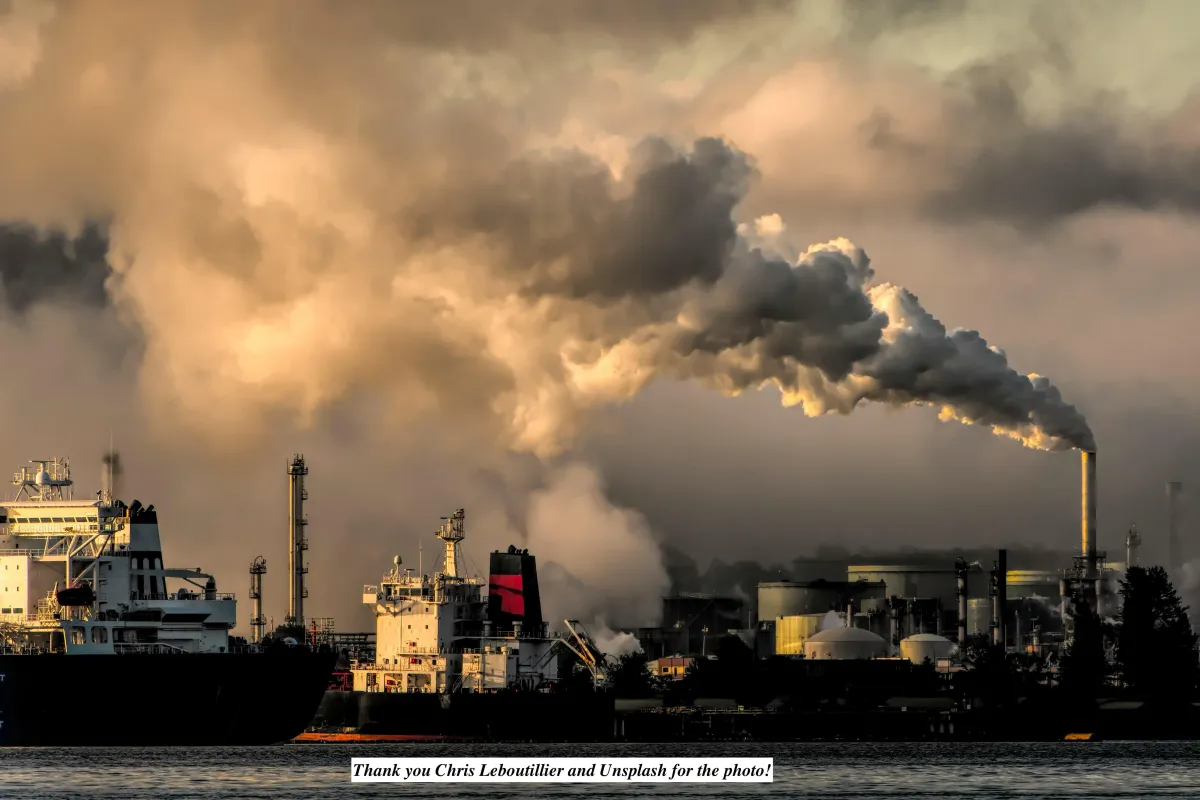
Have you ever noticed how confident people sound when they say,
“Look, I’m all for clean energy, but we still need fossil fuels. Renewables are unreliable. We don’t have the storage.”
It sounds so reasonable. Calm. Adult.
But if you zoom out even a little, that certainty starts to wobble.
Fossil fuels are still getting drenched in public money.
Clean energy and storage are growing fast while running an obstacle course.
Study after study keeps showing that a grid built on renewables and storage is not only possible, it often comes out cheaper and more resilient than clinging to coal, oil, and gas.
So the problem is not that we “don’t have storage.”
The problem is that we keep subsidizing the past while pretending the future is technically impossible.
Let’s walk through how deep this goes.
1. Fossil fuels are not a “free market success story”
Start with the money trail.
The International Monetary Fund estimates that global fossil fuel subsidies hit around 7 trillion dollars in 2022, roughly 7 percent of global GDP. Only a chunk of that is obvious price support. The rest is more insidious: governments absorbing health damage and climate chaos instead of charging the companies that cause it.
Another analysis from the International Institute for Sustainable Development found that in 2023 alone, governments spent at least 1.5 trillion dollars of public money on fossil fuels through direct subsidies, state-owned companies, and public finance.
Now look at what renewables get in comparison:
G20 governments provided about 168 billion dollars in public support for renewable power in 2023.
Those same governments spent more than three times that on fossil fuels.
So for every dollar we send to renewables, we send over three to keep fossil fuels comfy and protected.
In the United States, a study by Oil Change International estimates that fossil fuel producers receive roughly 31 billion dollars a year in direct federal and state subsidies, with recent policy changes adding billions more and pushing that total toward 35 billion annually.
These are not accidents. They are policy choices.
If you pour fertilizer on one plant and starve the other, you do not get to say, “See, this plant is just naturally stronger.”
We are not watching a fair fight. We are watching a rigged match.
2. Storage and renewables are already scaling like crazy
Here is the part the “we don’t have storage yet” crowd leaves out: storage is not some hypothetical future gadget. It is already on the grid, doing real work.
Battery costs fell off a cliff
Lithium-ion battery pack prices fell to about 139 dollars per kilowatt-hour in 2023 and are projected to drop toward 80 dollars per kWh by 2030. A decade ago, those prices hovered near 1,200 dollars per kWh.
That kind of price collapse is why you now see batteries:
paired with solar farms
packed into grid-scale “megapacks”
knit together as virtual power plants in people’s homes
Even with occasional bumps from raw material costs, installed storage now sits in the few-hundred-dollars-per-kWh range, and analysts expect further declines as manufacturing scales and supportive policies kick in.
Cheap batteries are not a fantasy. They are already here.
Storage is already reshaping real grids
In the United States, grid-scale battery storage jumped from under 2,000 megawatts in 2020 to nearly 30,000 megawatts by early 2025. Batteries are now major players during evening peak hours in states like California and Texas.
California alone built more than 13,000 megawatts of battery storage by late 2024, up from 770 MW in 2019, and passed 16,900 MW by 2025. The state estimates that is roughly one third of what it needs by 2045 to reach 100 percent clean electricity.
These batteries are not sitting around looking pretty:
California officials report that batteries now provide a significant share of evening power and have become the single largest source of electricity on the grid at certain hours, beating natural gas.
On some evenings, batteries supply more than a quarter of grid electricity during peak hours in California and around 7–8 percent in Texas.
This is not theory. This is an actual grid handling real demand and brutal heat with renewables plus storage.
Renewables are becoming the backbone
Global energy agencies are watching this shift in real time.
The International Energy Agency projects that renewables overtake coal as the largest source of electricity globally around 2025, and that by 2028 they provide about 42 percent of world electricity, with wind and solar alone contributing roughly a quarter of that.
In the IEA’s “Net Zero by 2050” scenario, nearly 90 percent of electricity in 2050 comes from renewables. Fossil fuels drop from almost 80 percent of total energy supply today to just over 20 percent. That scenario does not assume a miracle. It assumes we build storage, modernize grids and run them intelligently.
So when someone says, “We can’t go big on renewables because we don’t have storage,” they are ignoring three things:
We are already building storage at industrial scale.
Actual grids are already running on it.
The world’s main energy agencies are planning around it.
3. The “no storage” argument is out of date
The serious question is no longer, “Could the grid ever work with lots of renewables?”
The real question is, “What mix of storage, transmission, and flexible demand gives us the cheapest, most reliable version of that future?”
The U.S. National Renewable Energy Laboratory (NREL) has spent years modeling this.
In its multiyear Storage Futures Study, NREL finds that:
Energy storage deployment in the U.S. could grow at least fivefold by 2050, and potentially more, as costs fall and renewables keep spreading.
Across many scenarios, diurnal storage (roughly 4 to 12 hours) already looks economically attractive and can support renewable shares of up to at least 80 percent of generation.
In high-storage futures, hundreds of gigawatts of batteries and other storage technologies shift solar and wind across the day, replace gas peaker plants and support grid reliability.
In plain language:
We do not need perfect seasonal storage in every corner of the map to break fossil dependence. We need a smart mix of:
lots of cheap renewables
lots of 2 to 8 hour storage
stronger grids and transmission
demand response and flexible loads
some longer-duration storage where it makes sense
The science is not whispering, “Sorry, you are stuck with gas forever.”
It is saying, very clearly, “If you keep pouring money into fossil fuels, you slow down the build-out of the storage and renewables you actually need.”
4. Subsidies are energy destiny
Now connect the dots.
We live in a world where:
Global fossil fuel subsidies total trillions of dollars per year once you include the fact that polluters do not pay for the health and climate damage they cause.
Even counting more direct forms of support, governments still delivered about 1.5 trillion dollars in 2023 in public support for fossil fuels.
G20 countries spent over 535 billion dollars on fossil fuel subsidies, compared with about 168 billion on renewable power support.
The IEA expects global energy investment to reach around 3.3 trillion dollars in 2025, with approximately 2.2 trillion going to clean energy technologies like renewables, nuclear and storage, about twice what goes into fossil fuels, while legacy subsidy structures still tilt the playing field.
Here is the uncomfortable truth:
The story that “we cannot afford clean energy and storage yet” is being told in a world where we quietly spend more public money keeping fossil fuels artificially cheap than we do building the alternatives.
The International Institute for Sustainable Development estimates that doubling public support for renewables to around 336 billion dollars per year could be enough to meet the global pledge to triple renewable capacity by 2030. Even that figure still sits below current fossil fuel subsidies across the G20.
We are not waiting on a miracle battery.
We are waiting on the political courage to stop using public money to sustain the problem.
5. What could happen if we flipped the script?
Imagine even a partial reallocation.
Take just half of that 1.5 trillion dollars in annual fossil support and redirect it into:
large-scale storage build-out
rooftop and community solar
grid upgrades and new transmission lines
energy efficiency and heat pumps
Leave in place the private investment that is already flowing into clean energy and let public money crowd in even more.
Right now:
Global battery storage investment sits in the tens of billions per year range.
Fossil fuels receive hundreds of billions to trillions annually in explicit and implicit subsidies.
Redirecting even a slice of that fossil support could:
Accelerate storage deployment far beyond current trajectories.
Make renewables-plus-storage the obvious, default choice for new power capacity in most regions.
Strip away the last thin excuses for building new coal and gas plants.
We already see hints of what happens when policy leans into clean energy. In the United States, tax credits from the 2022 Inflation Reduction Act helped solar reach about 84 percent of new power capacity added in 2024 and drove record installation levels, before new attacks on those credits created fresh uncertainty.
Pulling back from clean energy incentives is not a neutral “budget decision.” It is a choice to backslide toward a more fragile, volatile, fossil-dependent grid.
6. Why does the “we need fossil fuels” story stick?
Given all of this, why does the narrative hang on so stubbornly?
A few reasons show up again and again.
Familiarity feels safer than change.
People grew up with oil, gas and coal as the default. A grid built mostly on wind, solar and storage feels new, even when the technology has matured.
The true costs stay hidden.
When governments absorb pollution and climate damages instead of pricing them, fossil fuels look cheaper on your bill than they really are. Those “implicit subsidies” show up as hospital visits, crop failures, disaster relief and insurance collapses rather than a line item on a receipt.
The winners of the old system have giant megaphones.
Industries that built their profits on public handouts and externalized harm spend a lot of money to protect their story: that they are irreplaceable and anything else is naive.
Storage ignorance is convenient.
If voters believe storage “does not exist yet,” building more gas plants can be framed as realism instead of what it often reflects: inertia and lobbying.
Meanwhile, reality keeps shifting:
Storage is scaling fast enough that it is already keeping grids running through record-breaking heat.
Renewables are on track to become the largest source of electricity worldwide this decade.
Independent research, from NREL and others, keeps showing that high-renewable, high-storage grids are feasible, reliable and often cheaper than fossil-heavy systems.
The myth is lagging behind the data.
7. What this means for “votes with our dollars”
This is where your daily choices come in.
Every dollar functions like a tiny policy decision.
At the personal level, that could look like:
Choosing renewable electricity plans where they exist.
Supporting cooperatives, community solar and companies that actually invest in clean energy rather than just talking about it.
Avoiding products, banks and insurers that keep funding new fossil infrastructure when cleaner options exist.
At the civic level, it may look like:
Pushing for fossil fuel subsidy reform instead of treating those trillions as invisible.
Defending and expanding support for clean energy, storage and grid upgrades rather than letting them be smeared as “handouts” while fossil subsidies remain normal.
Backing local policies that make rooftop solar, batteries and efficient buildings easier and more accessible.
“Subsidies” can sound like a dry spreadsheet argument.
In reality, the question is simple:
What kind of energy future are we paying for with our public money, and what kind are we starving?
8. The core argument in one breath
We are not stuck with fossil fuels because storage does not exist.
Storage costs have dropped dramatically, capacity is booming, and real-world grids already show that storage can support very high shares of renewables.
We stay stuck because public money still flows several times more to fossil fuels than to renewables and storage.
If we redirect those subsidies, we could speed up storage deployment, make renewables-plus-storage the clear economic choice for new power and cut our dependence on coal, oil and gas much faster than most people realize.
So the honest line is not:
“We need fossil fuels because we do not have storage.”
It is:
“We keep choosing fossil fuels with our laws and our money, even though renewables and storage are ready to do far more.”
Once we admit that, the question shifts:
not “Can we?” but “When are we willing to stop paying for our own dependence?”
Sources:
https://www.theguardian.com/environment/2025/sep/09/fossil-fuels-subisidies-study
https://www.reuters.com/sustainability/boards-policy-regulation/global-energy-investment-set-hit-record-33-trillion-2025-iea-says-2025-06-05/
(this one was listed twice, same clean URL)
https://www.theverge.com/climate-change/679615/renewable-energy-record-capacity-growth-california
The Pros and Cons of Driving Electric: A Comprehensive Look at EV Ownership
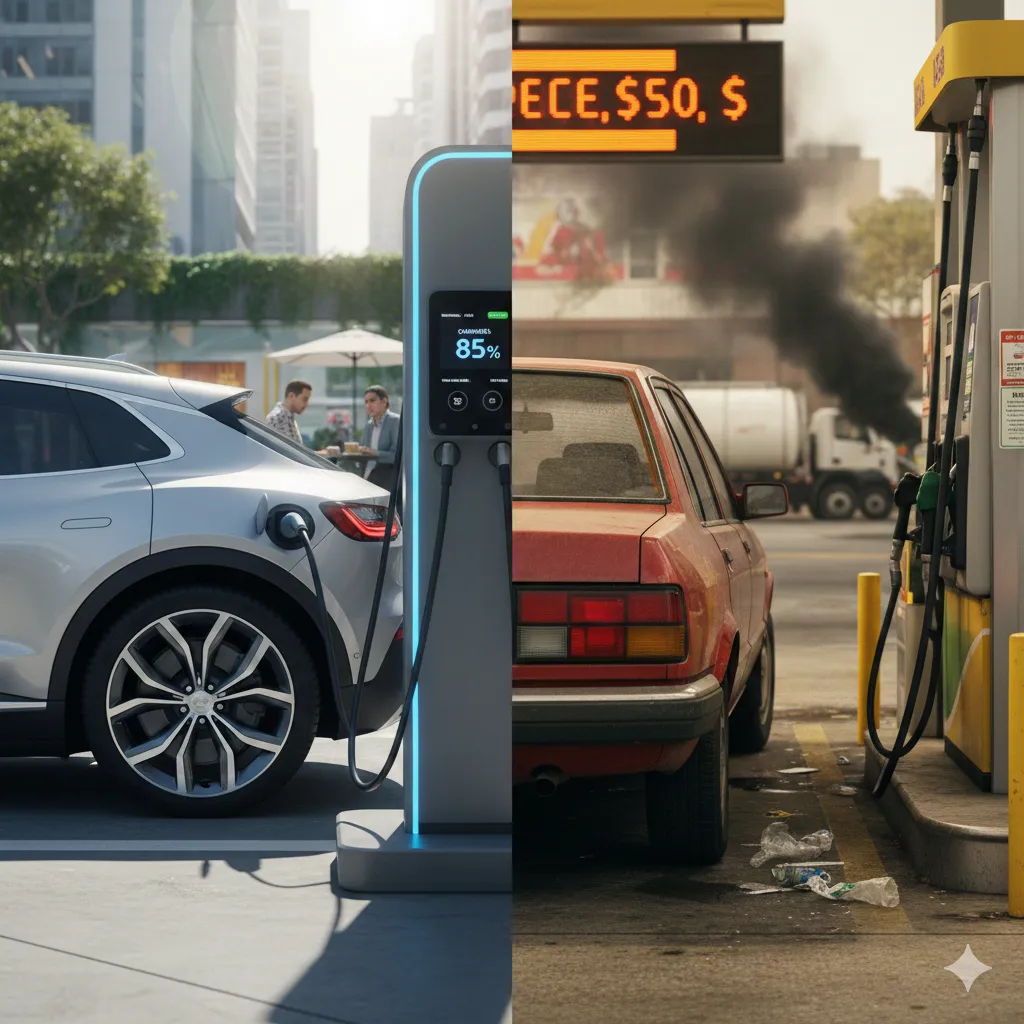
Electric vehicles (EVs) have moved from a niche concept to a central pillar in the push for a cleaner transportation future. Eco-conscious consumers are drawn to EVs for their promise of lower emissions and reduced reliance on fossil fuels. At the same time, prospective buyers reasonably wonder about the practical challenges: Will I spend all my time charging? How much will a new battery cost down the road? Can the power grid really handle millions of EVs? In this blog post, we explore the advantages and disadvantages of owning an electric vehicle in detail. We'll look at the environmental wins, the road-trip hurdles, advances in charging and battery technology, maintenance costs, and even what it means for our energy grid if everyone plugs in. The goal is an empowering yet honest look at EVs—acknowledging challenges while highlighting innovations and momentum toward a sustainable future.
Environmental Advantages of EVs
One of the strongest arguments for going electric is the significant environmental advantage over gasoline vehicles. Electric cars produce zero tailpipe emissions, immediately cutting out the direct pollution that comes from burning gasoline or diesel. This means no exhaust pipe spewing carbon monoxide, nitrogen oxides, particulate matter, or the myriad pollutants that contribute to smog and health problems. Especially in cities, replacing a gas car with an EV can help improve local air quality and reduce health risks from air pollution.
Beyond the tailpipe, EVs also offer big climate benefits when you consider the full life-cycle emissions. Charging an EV on electricity does produce emissions at the power plant, but even accounting for electricity generation, EVs typically have a smaller carbon footprint than gasoline cars. The exact benefit depends on your energy mix (coal-heavy grids have higher emissions than renewable-powered grids), but as clean energy grows, EVs get even cleaner. In 2023, a comprehensive International Energy Agency analysis found that a medium-size EV produces about half the total greenhouse gas emissions of an equivalent gasoline car over its lifetime (roughly 15 tonnes CO₂ vs. 38 tonnes for the gas car, assuming ~200,000 km driven). Even when manufacturing is included – and it’s true that building an EV battery is energy-intensive – the lifetime emissions come out lower for EVs than for comparable gas vehicles. In short, driving on electricity leads to far fewer climate-heating emissions over the vehicle’s life.
Energy efficiency is another environmental plus. Electric drivetrains are inherently more efficient at converting energy into motion. The U.S. EPA notes that EVs use around 87–91% of the energy from their batteries to drive the wheels (thanks also to regenerative braking), whereas a typical gasoline car only converts about 16–25% of the energy in gasoline into motion. The rest is lost as heat. This massive efficiency advantage means that even if an EV is charged on a fossil-fueled grid, it's often still using energy more cleanly and frugally than a gas guzzler. And of course, if you charge from solar panels or a wind-powered grid, the carbon emissions per mile can shrink toward zero.
Reduced Pollution and Lifetime Waste
By cutting out combustion, EVs offer major reductions in pollution that go beyond carbon emissions. With no tailpipe, an EV produces no direct emissions of toxic gases or soot, which is a boon for public health. Transportation is a leading source of urban air pollution, and EVs can help eliminate the tailpipe contributors to problems like asthma and acid rain. Additionally, EVs don't leak fluids like engine oil or gasoline, and they don't require motor oil changes, meaning less potential for soil and water contamination from automotive fluids. Many EV owners also find that brake pads last much longer (thanks to regenerative braking slowing the car), so brake dust pollution is reduced and fewer old brake pads end up as waste.
However, a full environmental picture must include the EV’s battery. Manufacturing batteries requires mining of raw materials (like lithium, cobalt, nickel), which has its own environmental and ethical implications (discussed more below). And at end-of-life, batteries need to be recycled responsibly to avoid creating toxic waste. The good news is that unlike gasoline that simply burns into the air, an EV’s battery materials can be recovered and reused.
Recycling technologies are advancing quickly – for example, Redwood Materials (a large battery recycler) reports that it can recover over 95% of the critical minerals (lithium, cobalt, nickel, copper, etc.) from a spent lithium-ion battery and feed them back into new batteries. This kind of circular recycling industry is just ramping up now, and it promises to greatly reduce the lifetime automotive waste associated with EVs. In the long run, a world of electric cars could be one where the same pool of battery metals gets reused over and over, drastically cutting the need for mining new materials.
In summary, the environmental advantages of EVs are compelling: far lower greenhouse emissions over the vehicle’s life, zero tailpipe pollution, higher energy efficiency, and the potential for a closed-loop system where battery materials are recycled. All of these factors make EVs a cornerstone of strategies to combat climate change and clean up our air.
The Long-Distance Travel Challenge
If daily commuting and around-town driving play to EVs’ strengths, long-distance road trips are where the challenges become more apparent. Traditional gasoline cars have the advantage of quick refueling and abundant gas stations, whereas electric cars must contend with the need to recharge their batteries, which takes more time and planning.
Let’s break down the key disadvantages EV owners face on long trips:
Frequent Charging Stops: EVs today typically have ranges from about 200 to 350 miles on a charge, with some models offering even more. While this is plenty for daily driving, on a 600-mile road trip you’ll need to stop and charge at least once or twice (where a gas car might only stop once briefly for fuel). Depending on your vehicle and the charging network along your route, you might end up making more frequent stops than you would in a gasoline car. For example, one EV owner recounted a 608-mile trip in a Ford Mustang Mach-E that required six charging stops (partly to sync with meal and restroom breaks). This was a comfortable journey, but it was undeniably different from the “gas and go” experience of an internal combustion vehicle.
Charging Time: Even with today’s fast-charging technology, recharging an EV takes longer than filling a gas tank. A typical DC fast charger can take an EV battery from about 10% up to 80% in roughly 20–40 minutes, depending on the car and charger power. The fastest chargers (such as Tesla Supercharger V3 or 350 kW public chargers) can add ~200 miles of range in around 15–20 minutes under ideal conditions. This is a huge improvement from just a few years ago, but it’s still longer than a 5-minute gasoline fill-up. Practically, many EV road-trippers plan charging stops around meal breaks or leg-stretching pauses. However, if you’re in a hurry, those 20–30 minute stops can feel inconvenient. And charging the last 10-20% of the battery slows down significantly to protect the battery’s health, so reaching a full 100% charge might take an hour or more. Long-distance EV driving often means accepting a different rhythm of travel, with planned pauses.
Public Charging Costs: Home charging is usually very cheap – often equivalent to paying $1/gallon or less for gasoline – but public fast charging can be considerably more expensive. When you’re on a road trip, you usually rely on DC fast chargers along highways, and the electricity rates at these stations can be high. It’s not uncommon to see prices around $0.30–$0.60 per kWh at fast chargers. This can translate into costs that rival or even exceed the price of gasoline for the same miles. For instance, the Mach-E owner mentioned above paid about $106 in electricity to cover 608 miles – whereas the same trip in a 33 MPG gas car would have cost roughly $60 in fuel. At $0.56/kWh (the rate at some stations on that route), the cost per mile was nearly double the cost of gasoline. Some EV drivers have reported single charging sessions costing on the order of $60–$70 for a roughly 80% fill of a large battery at high-priced stations. While those cases aren’t the norm, they highlight that charging isn’t always dirt-cheap, particularly if using ultra-fast chargers operated by third parties. There are usually ways to mitigate this – for example, many networks offer monthly memberships that lower the per-kWh price, and planning fewer, deeper charges rather than many short top-ups can reduce cost. But the bottom line is: on long trips, an EV’s “fuel” might cost as much as gas, or more, if you rely solely on public fast chargers.
Charging Infrastructure and Range Anxiety: Another challenge on road trips is simply knowing where you can charge and ensuring chargers will be available. The good news is that charging stations have been growing rapidly (the U.S. now has over 77,000 charging stations with 219,000 individual ports open to the public, a number increasing every month). Highway corridors are far better covered with fast chargers now than even five years ago, thanks in part to government investments (including a $7.5 billion federal program to build a national charging network). “Range anxiety,” the fear of running out of charge, is fading as batteries get bigger and chargers spread. That said, on some routes (especially in very rural areas), you still need to plan ahead. A gas car can wander off the beaten path without much worry since gas stations are everywhere; an EV road-tripper checks PlugShare or a charging app to make sure a town has a station before arriving with 5% battery. And while most public chargers are reliable, anyone who’s driven an EV long-distance has the occasional story of arriving to find a station offline or a wait for a charger. These instances are becoming less common as reliability standards improve, but route planning remains a part of EV travel that gas drivers have never had to think about.
To summarize the long-distance disadvantage: EVs can absolutely do road trips – often quite enjoyably – but you must allow for longer trip times due to charging and plan your stops. Fast charging is getting quicker every year (with some prototypes showing 10-minute charge times for 200+ miles in the future), and networks are growing, but as of today, road tripping in an EV requires a bit more forethought and flexibility than in a combustion vehicle. It’s an adjustment that many are willing to make for the environmental benefits, but it’s a factor to consider if you frequently drive long distances.
Innovations Improving Charging Speed and Infrastructure
The challenges of charging have been a major focus of innovation in the EV industry. Current and upcoming developments are rapidly improving charging speed, infrastructure coverage, and cost, making EV ownership more convenient year by year. Here are some exciting trends and solutions emerging:
Ultra-Fast Charging Technology: Just a few years ago, a 50 kW fast charger (about ~150 miles of range per hour) was standard; now we have 150–350 kW chargers widely available, and even faster ones on the horizon. Modern high-end EVs like the Porsche Taycan, Lucid Air, or Hyundai Ioniq 5 with 800-volt battery architectures can take advantage of 250+ kW chargers, adding hundreds of miles in well under 30 minutes. In fact, the newest public stations can deliver up to 350 kW – even 500+ kW in testing – which in theory can add ~200 miles of range in around 10 minutes for cars that can accept that rate. Such speeds begin to approach the convenience of gas fill-ups. To handle these power levels, engineers have developed liquid-cooled charging cables and advanced battery cooling systems to safely manage heat while pumping electrons at record rates. Every year, more EV models come out with improved charging curves (ability to sustain higher power for longer). The gap is closing: the “charge for an hour” stop is becoming “charge for 15-20 minutes” on many new EVs. This significantly shrinks the inconvenience factor for long trips.
Expanded Charging Infrastructure: Charging stations are proliferating rapidly, thanks to both private investment and public funding. Besides the federal program in the U.S. (which will fund thousands of highway chargers), automakers are teaming up to build out networks as well. For example, Tesla has opened up parts of its Supercharger network to non-Tesla vehicles, giving many EV drivers access to the most extensive fast-charge network in the country. Meanwhile, a coalition of major automakers (BMW, GM, Ford, and others) announced plans in 2023 to build a new network of 30,000 high-speed chargers across North America. In Europe and China, charger buildout is even more aggressive in many regions. The goal is to eliminate the worry of “Is there a charger when I need one?” For home charging, innovations are simpler because a standard Level 2 home charger is already convenient, but we see things like wireless charging pads being tested for home and public use. Imagine just parking your car over a pad and charging without plugging in – this technology is in pilot stages, and while not mainstream yet, companies like WiTricity are working on high-power wireless charging that could make topping up as easy as parking. In short, infrastructure is racing to catch up with demand, and it’s a very different landscape from the early 2010s when public chargers were rare.
Charging Cost and Smart Charging: While public fast charging can be pricey today, efforts are underway to make charging more affordable and grid-friendly. Utility companies and charger operators are experimenting with dynamic pricing – for instance, encouraging EV owners to charge during off-peak hours at lower rates. Many home electricity plans now offer special EV charging rates or “time-of-use” pricing so you can charge your car at midnight for a fraction of the cost of daytime power. Automakers and charging providers have also offered incentives like free or discounted charging for a few years with a new EV (certain models come with thousands of kWh of free charging on networks like Electrify America, for example). As the market matures, increased competition among charging networks may drive prices down as well. Additionally, vehicles are getting smarter about charging: vehicle-to-grid (V2G) technology is emerging, where an EV can discharge power back to the grid or your home, essentially acting as a battery storage device. In the near future, your EV could help balance the grid by soaking up excess power when it's abundant and feeding it back when there's high demand – potentially earning you credits or income for participating. Some EVs (like certain Nissan and Ford models) already offer vehicle-to-home capability, meaning the car can power your house during a blackout. These innovations integrate EVs more deeply into the energy ecosystem, improving overall efficiency and potentially reducing costs for everyone.
Standardization and Simplified Access: A more practical innovation of late is the move toward common charging standards and easier access across networks. In North America, the Tesla NACS connector is being adopted by multiple automakers as a new common plug standard, which by 2025+ will allow all EV drivers to use Tesla’s extensive network with a simple adapter (and future cars will have the plug natively). Likewise, roaming agreements between charging companies mean one app or account can unlock many different brands of chargers. The aim is that charging an EV becomes as seamless as using any gas station, without needing a dozen memberships or RFID cards. The U.S. government’s new EV Charging Minimum Standards (released in 2023) require that federally funded chargers support common payment methods (like credit card tap) and have minimum uptime reliability, among other things. All of this will make the charging experience more consistent and user-friendly.
In summary, the disadvantages of charging are being actively addressed on multiple fronts. Charging is getting faster, stations are getting more plentiful and reliable, and smart tech is tackling cost and convenience issues. It’s an area of rapid progress: what was a major drawback to EV ownership a few years ago is becoming much less of a concern. The trajectory suggests that, in the near future, charging an EV will be almost as convenient as fueling a gas car – without the emissions and with the bonus that you can “fuel up” at home while you sleep.
The Battery: Heart of the EV, with Advancements and Challenges
Batteries are both the engine driving the EV revolution and a source of many of its challenges. An electric car’s battery pack is a marvel of technology – storing enough energy to propel a two-ton vehicle hundreds of miles – but it brings questions about raw materials, lifespan, sustainability, and cost. Let’s examine these issues and how innovation is responding:
Raw Materials and Ethical Mining: EV batteries rely on critical minerals like lithium, cobalt, nickel, and manganese. One often-cited concern is the ethical and environmental impact of mining these materials. For instance, cobalt has drawn a lot of scrutiny because about 70% of the world’s cobalt supply comes from the Democratic Republic of Congo (DRC)zerocarbon-analytics.org, where a significant portion is mined in small-scale “artisanal” mines often plagued by poor labor conditions and even child labor. There are reports of tens of thousands of children involved in cobalt mining in the DRC, and mining operations have caused environmental damage like water pollution and habitat destruction. This is a real problem that tarnishes the clean image of EVs – no one wants a green car built on dirty mining practices. The industry is actively working on solutions: Automakers are seeking to verify and clean up their supply chains, investing in certified conflict-free minerals and better traceability. Moreover, battery chemistry is evolving to reduce reliance on cobalt. A prominent example is the rise of LFP (Lithium Iron Phosphate) batteries, which contain no cobalt or nickel. LFP batteries are already common in China and are being adopted elsewhere for standard-range EV models; they have slightly lower energy density (meaning somewhat shorter range for the same weight) but are cheaper and ethically cleaner. Many new EVs, including some Tesla and Ford models, now offer LFP battery options. Additionally, research is hot on the trail of using more abundant materials: for example, sodium-ion batteries (which use sodium, an inexpensive and earth-abundant element, instead of lithium) are in development and promise a more sustainable chemistry for certain applications. The big picture is that EV battery tech is shifting toward more sustainable ingredients, which will lessen the demand for problematic minerals. And as mentioned earlier, battery recycling will further reduce the need for new mining by recovering metals from old batteries. Companies like Redwood Materials and others globally are scaling up recycling plants that can reclaim over 95% of a battery’s metalsr, creating a loop that will eventually make EVs far less dependent on mining.
Battery Lifespan and Reliability: How long does an EV battery last, and will it need to be replaced like an engine overhaul? This is a key question for owners. The reassuring news is that EV batteries are proving to be very durable, often outlasting initial expectations. Unlike a cellphone battery that might noticeably degrade in 3-4 years, EV packs are managed by sophisticated battery management systems (BMS) and thermal controls to maximize their life. Most automakers offer battery warranties of 8 years/100,000 miles (160,000 km) at minimum, guaranteeing perhaps ~70% capacity at the end of that period. Real-world data shows that battery replacements due to failure are quite rare – the U.S. EPA cited a study of 15,000 early-model EVs (spanning 13 years of models) that found only 2.5% of them needed a battery replacement outside of recalls. For newer EVs (model year 2016 and on), the failure rate was <0.5%. In other words, the vast majority of EV batteries last the life of the car without needing replacement. They do gradually lose some capacity (perhaps around 1-2% per year depending on usage), so a car that started with 250 miles of range might have ~225 miles after 5 years. Most owners find this degradation manageable, and many EVs on the road have well over 100,000 miles with their original packs performing well. Of course, there are outliers – especially some first-generation EVs and early Nissan Leafs (which lacked active cooling) that saw faster degradation. But battery chemistry has improved, and modern EVs are expected to maintain usable capacity for a very long time. Even after their automotive life, batteries often have a second life in stationary storage (for example, old EV batteries can be used to store solar energy for years). All told, battery lifespan is less of a worry now than it once was, and it's becoming common to hear of EVs crossing 150k+ miles with minimal range loss.
Replacement Cost and Future Outlook: If a battery does need replacement (say, due to an unforeseen failure or an accident that damages the pack), what is the cost? Currently, battery replacements are expensive – typically ranging from about $5,000 up to $15,000 USD out-of-pocket for today’s EVs, depending on the vehicle and battery size. For example, a small 40 kWh pack for an older Nissan Leaf might be on the lower end, while a huge 100 kWh Tesla pack can be well into five figures. These costs include both the battery itself and labor. However, two important points put this in perspective: 1) As noted, battery failures are uncommon within the car’s useful life (and if it happens within warranty, it’s covered). 2) The cost of batteries is plummeting over time. In the last decade, lithium-ion battery costs have fallen by around 85%, from over $400 per kWh around 2012 to roughly $100–$150 per kWh today. This trend is expected to continue with improved technology and scaling. By 2030, a replacement battery could cost a fraction of what it does now. So an EV owner today, by the time they might consider a new battery in 8-10 years, could find the price much more affordable (and there will likely be a thriving market for third-party reconditioned batteries as well). It’s also worth noting that the resale value of used EVs already factors in battery health – many people upgrade to a new EV long before the battery is “dead,” and the used car’s price reflects any range loss. In the long run, some analysts foresee EV battery replacements becoming relatively routine and affordable maintenance, not an absurd cost. We’re not quite there yet, but momentum is headed that way with each passing year.
Advanced Battery Technology: On the horizon (and starting to trickle into reality) are new battery technologies that promise to address many current challenges. One of the most anticipated is solid-state batteries. Unlike today’s liquid electrolyte lithium-ion cells, solid-state batteries use a solid electrolyte and can be safer (less flammable), offer higher energy density, and charge faster. Major companies like Toyota, BMW, and startups like QuantumScape have been investing in solid-state R&D. Some prototypes suggest an EV with a solid-state battery could potentially get 600+ miles of range and charge in minutes – essentially erasing range anxiety and charge time concerns. While solid-state EVs are not on the market yet (most optimistic estimates put them in the late 2020s for consumer vehicles), even incremental steps toward that technology are improving current batteries. At the same time, existing lithium-ion tech is evolving: manufacturers have improved nickel-rich chemistries (to increase energy density while reducing cobalt), and techniques like Tesla’s 4680 cells and Chinese makers’ cell-to-pack integration boost the amount of energy stored without making packs bigger or heavier. For example, BYD’s Blade Battery (an LFP chemistry with an advanced cell-to-body design) achieves higher safety and decent range without cobalt, and it’s already in mass production. These innovations mean that each new generation of EVs is coming with better batteries than the last. Looking at the big picture: we’re likely near a point where battery worries (whether about range, longevity, or minerals) will diminish greatly because of technology advancements.
In summary, the EV battery story is twofold: there are legitimate concerns about mining and materials, and battery packs are expensive components – but huge strides are being made to make batteries more ethical, sustainable, and long-lasting. Current EV owners have seen that batteries tend to be reliable and degrade slowly. Meanwhile, the industry is racing to reduce cobalt use, improve recycling, and roll out new chemistries that will make the next decade of EVs even more environmentally friendly and cost-effective than the current ones. As consumers, supporting companies that source materials responsibly and invest in recycling can help push this momentum further. The battery is indeed the heart of the EV – and that heart is getting cleaner and stronger each year.
Lifetime Maintenance and Cost of Ownership
Apart from fuel and battery considerations, what is it like to maintain an electric vehicle versus a gas-powered one? Here, EVs have some clear advantages, though the full cost of ownership equation can be complex when you factor in purchase price and depreciation.
Maintenance Needs: Electric vehicles tend to require far less routine maintenance than combustion vehicles. Think of all the things a gasoline car needs: oil changes every few months, timing belt replacements, spark plugs, transmission fluid, emission system repairs, etc. An EV has none of those. There’s no engine oil, no valves or timing belts, no exhaust system or muffler, no spark plugs or fuel injectors. The drivetrain of an EV (motor and reduction gear) has only a handful of moving parts, compared to the hundreds in an engine and multi-speed transmission. The result is that scheduled maintenance for EVs is minimal – typically just tire rotations, cabin air filter changes, and perhaps brake fluid changes once in a long while. Brakes themselves last much longer due to regenerative braking taking on most of the work to slow the car (it’s not unusual for EV brake pads to last over 100,000 miles). Coolant for the battery and electronics might need replacement on a multi-year interval, but that’s about it. In fact, many EV owners joke that they mostly just “rotate tires and refill wiper fluid.”
Real data backs this up: A 2020 study by Consumer Reports found that EVs cut maintenance and repair costs by about 50% compared to similar gas cars. This can save owners hundreds of dollars per year. There are simply fewer things that can break or need servicing. No more failing alternators or oxygen sensors or catalytic converters. Even items like the 12-volt accessory battery (the small battery that runs accessories) tend to last longer because they’re not stressed as much. Additionally, EVs often use over-the-air software updates to improve or fix issues without a trip to the dealer.
Of course, EVs aren’t maintenance-free. They still have suspensions, wheel bearings, wipers, and other wear-and-tear components common to all cars. And tires can wear a bit faster on EVs, partly because EVs are heavier on average and have instant torque (owners of powerful EVs sometimes joke about how quickly they can shred tires if they’re too enthusiastic!). But even so, the overall maintenance burden is significantly lower. AAA’s research in 2024 showed that due to these factors, EVs have the lowest maintenance and repair costs of any vehicle type on average.
Reliability: What about unexpected repairs? Modern EVs, with fewer moving parts, have shown promising reliability in some studies. There have been issues with some early models (like any new tech, some EVs had teething problems in electronics or battery software), but generally an EV frees you from many of the most common reasons cars break down (overheating engines, transmission failures, etc.). A well-designed EV drivetrain should be extremely robust; electric motors can run for decades with minimal degradation. Consumer surveys indicate mixed results on EV reliability largely because they often bundle infotainment or new-tech issues (like fancy door handles or software glitches) into the reliability scores. The actual motors and batteries are quite solid. And as EV technology matures, those ancillary issues are being ironed out. Bottom line: EVs don’t suffer many of the mechanical failures gas cars do, and owners often report very low maintenance hassle.
Cost of Ownership: When it comes to the total cost of owning an EV versus a gasoline vehicle, there are several factors: purchase price, depreciation, fuel/energy cost, maintenance, insurance, and incentives/tax breaks. EVs have often had a higher upfront price than equivalent gas cars, though this is changing as cheaper models come out and tax credits or rebates can effectively reduce the price. On the other hand, EVs save money on fuel and maintenance as described. So which comes out ahead?
Multiple analyses (from Consumer Reports, Bloomberg, and others) have shown that over the lifetime of the vehicle (or even a 5-year ownership period), EVs can be cheaper to own than comparable gas cars, especially when gas prices are high or strong incentives are available. For example, the absence of $50 oil changes and $1000 exhaust repairs, plus the electricity being cheaper per mile, often outweigh the higher purchase price over time. In 2020, Consumer Reports concluded that the typical EV owner spends half as much on maintenance and repairs and will save thousands on fuel over the life of the vehicle, making up for an initially higher MSRP.
However, a few caveats: Depreciation (loss of value over time) has historically been high for some EV models, particularly older ones with shorter range. Newer long-range EVs seem to be holding value better, but it’s something to consider – the used car market for EVs is evolving. Additionally, insurance for EVs can be slightly higher, partly because repair costs for things like bodywork on an EV (with sensors, etc.) can be more. This varies by model and region. The AAA “Your Driving Costs” 2024 study actually found that, when they accounted for all costs (including the high purchase price of many EVs and their depreciation), EVs had one of the higher average ownership costs per mile – not because of fuel or maintenance, which were lowest, but because many EVs are sold in luxury or high-end segments with big price tags. In that study, only pickup trucks were more expensive to own than EVs, on average. But AAA also noted that fuel (electricity) cost for EVs was the lowest of any vehicle type and maintenance was the lowest, highlighting that the running costs of EVs are indeed where the savings lie. It’s the upfront price and resale that currently can tilt the math.
Thankfully, as more affordable EVs hit the market (and as gas cars add costly tech to meet emissions rules), the purchase price gap is closing. There are now multiple EV models under $35,000 (especially after incentives) and even some around $25k-$30k in certain markets. Electric SUVs and trucks are also coming in at competitive prices relative to their gasoline counterparts, especially when considering fuel savings. Moreover, governments are continuing to offer incentives that effectively reduce the upfront cost (for instance, federal tax credits up to $7,500 in the U.S., state rebates, and in many countries EVs get tax/VAT exemptions or other perks).
To sum up the cost picture: If you look purely at energy+maintenance, EVs handily beat gas cars in most cases (imagine fueling up at roughly $1.50 per “gallon” equivalent of electricity and rarely visiting a mechanic). When adding all other ownership costs, many EV owners still come out ahead over a typical ownership period, but it can depend on the model and how you value future savings versus upfront price. If gasoline is cheap and you drive very little, the savings are smaller; if gas is expensive or you drive a lot, the savings are huge. For an eco-conscious consumer, there are also intangible “savings” in knowing your money isn’t going toward oil changes or supporting fossil fuel extraction, which can be motivating beyond the dollars.
One final note: EV incentives often tilt the scales. Beyond purchase incentives, EV drivers in some areas enjoy perks like access to HOV (carpool) lanes, free parking or charging in certain locations, and lower registration fees or taxes. These can add convenience and value that’s hard to quantify in pure cost terms.
In an empowering sense, switching to an EV can liberate you from the gas station routine and many upkeep chores, giving a sense of freedom (and potentially more money in your wallet over time). The honest side is that you should crunch the numbers for your situation – consider the purchase price, any tax credits, your electricity rates, your driving habits, insurance quotes, etc., to see the break-even point. Increasingly, the math is in favor of EVs, and it’s only improving as technology advances and economies of scale kick in.
Can the Electric Grid Handle Everyone Driving EVs?
A question that naturally arises when thinking about a majority-EV future is: Can our electricity grid handle the dramatically increased demand if most drivers plug in instead of fill up? It’s a critical question, because if EVs simply trade tailpipe problems for blackouts or dirty power, that’s not a win. The answer from energy experts is generally reassuring, but it comes with the condition that planning and investment are needed.
First, let’s quantify the impact: Transportation (cars, trucks, etc.) uses a lot of energy, currently supplied by gasoline/diesel. If all that moves to electricity, total electricity generation must go up. Studies have estimated that if all cars in the U.S. were electric, total electricity demand would rise by roughly 25–35% over what it is today. That’s significant, but not unconquerable – especially considering that such a transition would happen gradually over decades, not overnight. For example, one analysis in the journal Energy Policy found about a 30% increase in demand if the entire light-duty fleet were EVs (and possibly a bit more if those EVs keep trending towards larger SUVs). To put that in perspective, U.S. electricity demand grew by more than that percentage in the 20th century as populations and economies expanded; growth had plateaued in recent years, but electrification of transportation would essentially put us back on a growth curve for power generation.
However, importantly, this is not an insurmountable challenge. Grid experts often note that if the transition is gradual and well-managed, the grid can absolutely support a high percentage of EVs. In fact, if 100% of new car sales were electric starting now, it would still take ~20 years for most cars on the road to be EVs (due to fleet turnover rates). This gives time for utilities to increase capacity. The optimistic scenario is that charging can be synchronized with grid capacity: Most EV charging happens at home at night, which in many regions is off-peak for electricity demand. For instance, your air conditioners and factories aren’t running full tilt at 2 am, so there’s unused capacity that EVs can take advantage of.
Charging at off-peak times can significantly reduce strain. The U.S. EPA points out that even in California, which has over a million EVs (the most of any state), EV charging currently accounts for less than 1% of the state’s electricity load even during peak hours. Nationwide in the U.S., all the EVs on the road use under 1% of total electricity at present. We’re far from a point where EVs are a stress on the system. And as they grow, utilities are adapting: many have special EV rates to encourage nighttime charging, and technologies like smart chargers can automatically delay charging to the best times. If done right, we could have millions of EVs but little increase in peak demand (when the grid is most stressed), by shifting most charging to when there’s spare capacity (like overnight or midday if excess solar power is available).
Another factor is that the grid itself is getting cleaner and more modern alongside EV adoption. Governments and utilities are investing in renewable energy and grid upgrades (for example, the U.S. Infrastructure Act in 2021 included $13 billion for grid modernization). Many regions are adding wind and solar at record rates, and these can pair well with EVs – e.g. surplus solar at noon could charge workplace or public chargers, and wind blowing at night can charge home EVs. There’s even a synergy: vehicle-to-grid (V2G) tech (mentioned earlier) could allow EVs to act as a distributed network of batteries that help stabilize the grid. In some pilot programs, utility operators envision tapping into EVs to supply power during peak times (with owners compensated, of course) and then recharging them when demand is low. EVs could actually improve grid reliability if managed smartly, by providing a buffer of flexible load and storage.
That said, achieving a smooth electric revolution will require infrastructure upgrades. Local distribution grids (the neighborhood transformers and wires) may need reinforcing in areas of mass EV adoption – e.g. if every house on a cul-de-sac gets two EVs charging at 7 PM, that transformer might need an upgrade. Utilities are already working on forecasting and reinforcing weak spots. It’s generally a manageable process because EV adoption tends to cluster and grow, giving some predictability to where upgrades are needed. Generation capacity will need to expand as well, preferably with clean energy to ensure EVs are truly eco-friendly. The encouraging fact is that even a 30% increase in electricity use spread over 20-30 years is an average growth of only ~1% per year. Historically, grids have handled that kind of growth easily (the U.S. grid grew ~4% per year in mid-20th century, for instance). A Consumer Reports analysis noted that reaching a 100% electric vehicle fleet by 2050 would likely require only about 1% increase in generation per year – a pace of growth that is feasible with steady investment.
In summary, the grid can handle a high-EV future if we continue to plan and invest wisely. Energy and transportation experts overwhelmingly say “Yes, we can” – with the caveat that things like smart charging schedules, grid upgrades, and renewable energy expansion are essential companions to EV adoption. Far from collapsing the grid, EVs might actually speed up improvements to it, spurring upgrades and the adoption of modern grid technologies. As an individual EV owner, you can contribute to grid stability by charging during off-peak times (often it’s cheaper for you anyway) and potentially participating in any utility programs for demand response. The vision of the future is millions of EVs powered by a cleaner, resilient grid – a future where our cars run on electrons from wind turbines and solar panels instead of imported oil. With proper coordination, that future is within reach.
Conclusion: Driving Toward a Sustainable Future
Owning an electric vehicle comes with significant advantages: a dramatically smaller environmental footprint, freedom from gas stations and oil changes, instant torque and a quiet, smooth drive, and the satisfaction of contributing to cleaner air and a healthier planet. EV drivers often enjoy the experience so much that they say they’d never go back to gasoline. The momentum toward electrification is fueled by these benefits and by a global recognition that we need to reduce carbon emissions to combat climate change.
Yet, it’s important to be honest about the challenges. Long road trips in an EV require a shift in mindset and a bit more planning. Public charging, while rapidly improving, isn’t as ubiquitous as gas stations (yet) and can be expensive at high speeds. The production of EV batteries raises valid concerns about mining and labor practices that must be addressed to ensure the “clean” car is truly clean end-to-end. And for many consumers, the upfront cost of EVs remains a hurdle, even if the total cost of ownership can be lower.
The encouraging news is that every one of these challenges is being tackled by innovators, policymakers, and communities around the world. Charging is becoming faster and more convenient with each passing year. Battery technology is advancing toward more ethical and sustainable chemistries, with robust recycling systems emerging to reclaim materials and reduce waste. The costs of EVs are coming down as scale ramps up, and numerous incentives are in place to help buyers make the switch. Meanwhile, renewable energy is expanding, meaning that as time goes on, the electricity fueling EVs gets cleaner, magnifying the environmental gains.
For the eco-conscious consumer and the changemaker looking for actionable ways to live more ethically, EVs represent a powerful tool. By driving electric, you’re directly reducing your carbon footprint and cutting demand for fossil fuels. You’re also sending a market signal that accelerates the shift to greener technology. It’s a vote for innovation and sustainability. The future is cooperative: it involves individuals, businesses, and governments working together – updating power grids, building charging stations, ensuring mining is responsible, and maybe even redesigning cities a bit for a post-gasoline era.
Standing at this moment in 2025, one can acknowledge that EVs are not a perfect panacea; they won’t solve all environmental issues by themselves (we still need cleaner power, fewer cars in congested cities, etc.). But they are a crucial part of a sustainable future. The trajectory is clear: each year, EVs get better, and the world gets better for having them. Early adopters faced more challenges, but they paved the way. Today’s EV owners already enjoy a vehicle that is cleaner, often cheaper to run, and very high-performance to boot (ask any EV owner about the joy of instant acceleration!). And tomorrow’s EVs will only improve on this.
In closing, the advantages of owning an electric vehicle – from environmental impact to lower maintenance – increasingly outweigh the drawbacks. By understanding the current limitations (and how to work with them), drivers can confidently make the switch and be part of the solution. The road ahead is one of continued improvement. Much like the shift from horses to cars over a century ago, the shift from gasoline to electric is transformative. It comes with bumps on the road, yes, but those bumps are smoothing out quickly.
Driving electric is more than just a trend; it’s a statement of optimism and responsibility toward our planet. It’s about embracing innovative technology and also demanding that this technology be made as fair and sustainable as possible. If you’re considering joining the EV movement, know that you’re not alone and that every charge is a step toward a cleaner, more cooperative future. The destination – a world where our daily mobility doesn’t harm the environment – is one well worth striving for, and each of us can help drive us all forward.
Sources:
International Energy Agency – Global EV Outlook 2024: EV lifecycle emissions roughly half of ICE vehicle iea.org; EV SUV vs ICE emissions iea.org.
U.S. Environmental Protection Agency – Electric Vehicle Myths: EVs have smaller carbon footprint even on fossil electricity; no tailpipe emissions; manufacturing vs lifetime emissions epa.govepa.gov. EV efficiency ~90% vs gasoline ~20% epa.gov. Low battery failure rates ~0.5% after 2016 epa.gov. Grid can handle EV growth with smart charging; CA EV load <1% of grid epa.gov.
U.S. Department of Transportation – EV Charging Basics: DC Fast Charging typically charges 80% in ~20 minutes to 1 hour transportation.gov.
EV Connect Blog (2025) – Typical EV Charging Times: ~30 minutes for Tesla Model 3 from 10% to 80% evconnect.com.
Reddit (EV owner experience) – Road trip charging cost: $106 for 608 miles vs ~$60 gas, with fast charge rates ~$0.56/kWh reddit.comreddit.com.
Lectron (EV-Lectron) Blog – Electric Vehicle Innovations: Solid-state batteries promise 600+ mile range, faster charging ev-lectron.com; Ultra-fast 350–640 kW charging = ~200 miles in 10 minutes ev-lectron.com; Wireless charging and V2G developments ev-lectron.comev-lectron.com.
Zero Carbon Analytics – Cars, Cobalt and the Congo: EVs use ~6× more mineral mass than ICE; ~70% of cobalt from DRC with ethical issues zerocarbon-analytics.orgzerocarbon-analytics.org.
Design News – How Automakers Can Steer Away from Cobalt (2025): Automakers shifting to cobalt-free alternatives like LFP batteries; challenges and timeline for cobalt-free EVs designnews.comdesignnews.com.
Recurrent Auto – EV Battery Replacement Costs (2024): Typical out-of-warranty replacement $5k–$16k, but very rare; battery prices fell to ~$111/kWh in 2024 (down from $400+ in 2012) recurrentauto.comrecurrentauto.com.
Redwood Materials – EV Battery Recycling: Recovering >95% of lithium, cobalt, nickel, copper from end-of-life batteries for reuse redwoodmaterials.com.
Consumer Reports via Braman BMW – EVs have 50% lower maintenance/repair costs (2020 study) bramanmotorsbmw.com.
AAA Your Driving Costs 2024 – EVs have lowest fuel and maintenance costs of any category, though higher depreciation; electricity ~$0.159/kWh nat’l avg newsroom.aaa.com.
U.S. DOE Alternative Fuels Data Center – Emissions from EVs: EVs have zero direct (tailpipe) emissions, significantly lower life-cycle emissions especially on cleaner grids afdc.energy.govafdc.energy.gov.
Energy Policy journal (2022) – Fully electrifying U.S. passenger vehicles might raise electricity demand ~30% sciencedirect.com.
Recurrent Auto – Is EV Charging Driving Up Electric Bills? (2025): All EVs <1% of U.S. electricity; data centers use far more. Emphasizes EV load is currently negligible vs grid capacity recurrentauto.com.
Top Ten Products Linked to Child or Forced Labor
1. Chocolate

Chocolate’s key ingredient, cocoa, is often produced with child labor in West Africa. Côte d’Ivoire and Ghana together supply about two-thirds of the world’s cocoa, and an estimated 1.56 million children work in hazardous conditions on cocoa farms in these two countries reuters.com. Poverty among farming families leads to children doing tasks like clearing land and hauling cocoa beans. There have also been cases of child trafficking: some youths from Mali or Burkina Faso have been forced to work on Ivorian cocoa plantations for little or no pay dol.gov.
The cocoa supply chain involves many small family farms and middlemen, making it difficult for chocolate companies to fully trace sources or eliminate abusive labor. Despite industry pledges to reduce child labor, recent surveys show child labor remains widespread and even increased in proportion as cocoa production grew walkfree.org.
Supply Chain Transparency Issues: Most cocoa is sold through cooperatives and traders, where beans from many farms are mixed, obscuring their origins. This lack of transparency makes it hard to ensure that a chocolate bar’s ingredients were ethically sourced. Certification programs (like Fairtrade and Rainforest Alliance) have improved oversight but haven’t eradicated child labor, partly due to the sheer number of smallholders and the complexity of global trading. A report funded by the U.S. government noted that efforts so far have not achieved significant reductions in child labor prevalence in cocoa farming reuters.com, highlighting the challenge of tackling root causes like rural poverty and inadequate schooling.
Ethical Risks: The ethical risks in cocoa include children performing dangerous work (using machetes, carrying heavy loads, exposure to agrochemicals) and even instances of forced labor or trafficking in cocoa-growing regions walkfree.orgdol.gov. These practices violate international labor standards and tarnish the chocolate industry’s reputation. Moreover, low farmgate prices for cocoa mean farmers earn a fraction of chocolate’s retail price, encouraging the use of unpaid child labor to cut costs walkfree.orgwalkfree.org. The Harkin-Engel Protocol (2001) and subsequent industry initiatives aimed to end the worst forms of child labor in cocoa, but progress has been slow.
More Ethical Alternatives: Consumers can choose ethical chocolate brands that invest in traceable, child-labor-free cocoa. For example, Fairtrade- and Rainforest Alliance-certified chocolates ensure cocoa is sourced with better labor standards. Brands like Tony’s Chocolonely, Theo Chocolate, and Equal Exchange have made slave-free or fair-trade cocoa a core part of their mission endslaverynow.org. These companies pay higher prices to farmers and implement programs to monitor and remediate child labor. Additionally, some chocolate makers have begun direct sourcing from farmer cooperatives and providing community support to reduce child labor drivers. By opting for chocolate with certification labels or known ethical sourcing, consumers can help incentivize supply chain transparency and better labor practices in the cocoa industry.
2. Smartphones and Electronics
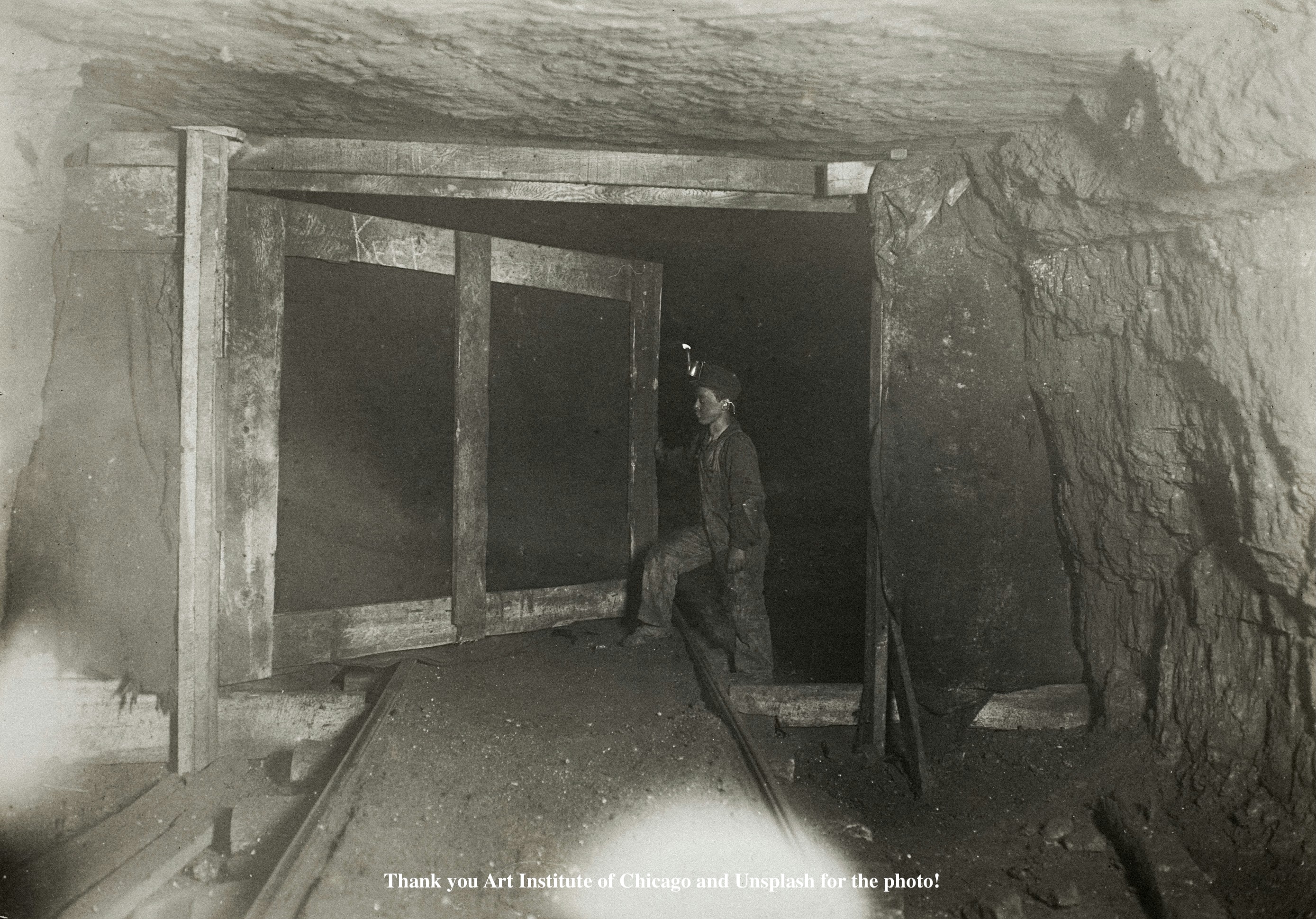
Our smartphones, laptops, and electric car batteries rely on cobalt, a mineral often linked to child labor in the Democratic Republic of Congo (DRC). More than half of the world’s cobalt comes from the DRC, and about 20% of it is mined by hand in artisanal mines, where even young children work in dangerous conditions theguardian.com. In 2012, UNICEF estimated that around 40,000 children were working in mines across southern DRC, many mining cobalt for rechargeable batteries theguardian.com. These children and adult miners labor in narrow, unsafe tunnels and handle toxic ore for a dollar or two a day, facing risks of mine collapses and long-term health damage from dust exposure theguardian.com. The cobalt mining industry in the DRC has also seen reports of forced labor and rampant exploitation by intermediaries. Cobalt is not the only concern – other “conflict minerals” like coltan (for tantalum capacitors) and gold used in electronics have histories of labor abuses in Central Africa.
Supply Chain Transparency Issues: The supply chain for cobalt is highly opaque. Artisanal cobalt from countless small mines gets purchased by local traders and then sold to larger export companies (often subsidiaries of foreign firms) theguardian.com. From there, it is exported (mostly to China) for refining and ends up in batteries for major electronics and auto companies. This long chain makes it extremely difficult to trace cobalt from mine to product. In a 2016 investigation, major electronics brands admitted they could not confirm whether their cobalt was from DRC mines, and none could fully verify their cobalt sourcing amnesty.org. Amnesty International found that traders were buying cobalt without asking questions about labor conditions, and global tech companies were failing to do basic due diligence checks to ensure their cobalt supply was free of child labor amnesty.orgamnesty.org. This lack of transparency and accountability means abusive labor practices remain “out of sight and out of mind” in the final products amnesty.org.
Ethical Risks: The ethical issues in electronics supply chains include hazardous child labor (children working without protective gear, hauling heavy sacks of ore) and forced labor or debt bondage among impoverished miners. Profits from illegitimate mining have also fueled conflict and human rights abuses in the DRC, which is why tin, tantalum, tungsten, and gold from the region are regulated as “conflict minerals” (though cobalt isn’t covered under the same U.S. rule, highlighting a gap in oversight). Consumers and downstream companies face a moral risk: the very batteries and gadgets that power modern life may be tainted by the labor of exploited children. The contrast is stark – as Amnesty noted, the “glamorous” high-tech storefronts in wealthy countries are built on the backs of people digging in perilous conditions for a few dollars amnesty.org.
More Ethical Alternatives: To address these risks, some electronics and auto makers have joined initiatives for responsible mineral sourcing. Consumers can support companies that are members of programs like the Responsible Minerals Initiative or who source from audited conflict-free smelters. A few companies have started using blockchain and tracing systems for cobalt to improve transparency. Additionally, battery recycling and research into cobalt-free battery chemistries (such as using more nickel or iron-phosphate) are reducing demand for newly mined cobalt. As an individual, one can choose electronics from brands with strong supply chain disclosure and commitments, and recycle old devices to reduce the need for fresh raw materials. While there’s not yet a “Fairtrade cobalt,” pressure from consumers, activists, and regulators (like proposed laws requiring supply chain due diligence) is pushing the industry toward greater accountability for the human cost of our gadgets.
Fairphone is a company dedicated to changing the pattern of human exploitation in the Smartphone Industry. They have a documentary on what the workers actually go through to make our smartphones. Want to ensure your next phone isn't harming people on the way to videotaping your next vacation? Check it out here: https://www.fairphone.com/
3. Clothing and Textiles
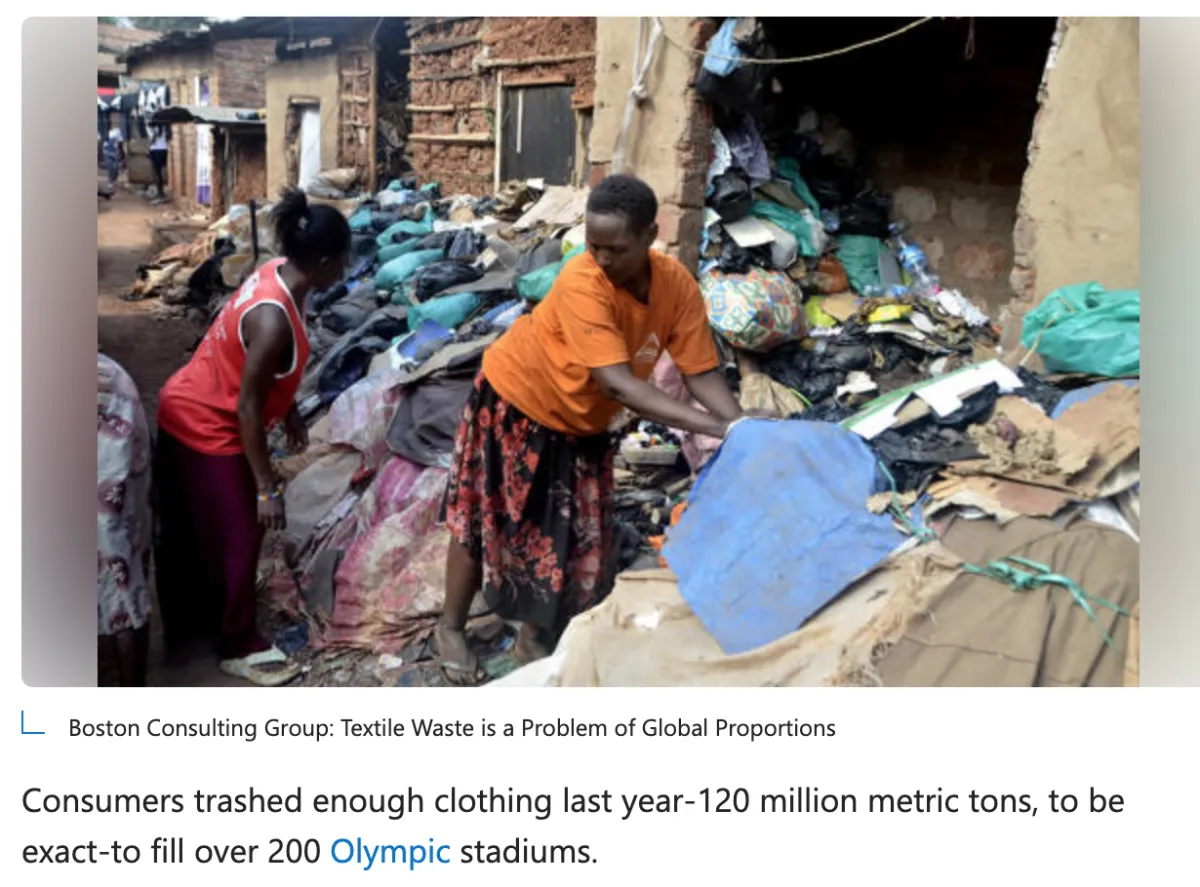
The global fashion industry has long struggled with forced labor and child labor at multiple stages of its supply chain, from cotton fields to textile mills to garment factories. Cotton, a key raw material for clothing, is notorious for labor exploitation in certain regions. In Uzbekistan, for example, the government historically forced hundreds of thousands of citizens – including schoolchildren – to leave their regular jobs or classes and pick cotton each harvest season endslaverynow.org. Similarly, in Turkmenistan, reports indicate forced labor in the annual cotton harvest. In recent years, the spotlight has turned to China’s Xinjiang region, which produces about 20% of the world’s cotton. Research in 2020 found that more than half a million ethnic Uighur and other minority adults in Xinjiang were coerced into picking cotton under harsh “labor transfer” programs theguardian.com. This state-imposed forced labor is so widespread that it taints a significant portion of global cotton exports. Until import bans were enacted, Xinjiang cotton found its way into the supply chains of many Western apparel brands, often via mills in China or third countries. These regions illustrate how raw material sourcing can hide severe exploitation behind everyday t-shirts and jeans.
Supply Chain Transparency Issues: The clothing supply chain is extremely complex. Cotton from multiple farms (potentially across different countries) gets combined in ginning and spinning facilities, meaning a single textile roll can contain a blend of cotton from ethical and unethical sources. Once cotton is made into yarn and fabric, it’s virtually impossible to tell where the fiber was originally picked. This mixing of cotton from different sources frustrates efforts to eliminate forced-labor cotton – as one U.S. Department of Labor report notes, inputs like cotton produced with forced labor often become part of downstream products without clear origin labels theguardian.comtheguardian.com. Beyond cotton fields, garment manufacturing itself can involve exploitative labor. Complex subcontracting chains make oversight difficult – for instance, a fashion brand might not realize a subcontractor uses unauthorized homeworkers or shifts production to factories with poor conditions. Tragedies like the Rana Plaza collapse in 2013 highlighted dangerous conditions, though not directly child or forced labor, and spurred some transparency initiatives. More pertinent, there have been reports of forced labor in garment factories – for example, Uighur detainees transferred to sewing factories in China, or North Korean workers secretly employed in apparel plants. Child labor is less common in large export-oriented factories today (due to audits) but still occurs in informal workshops or through subcontractors in countries like Bangladesh, India, or Myanmar. All these factors mean that tracing a garment’s supply chain from farm to retail is exceedingly challenging.
Ethical Risks: The ethical risks in apparel include state-sponsored forced labor (as seen in Xinjiang or Uzbekistan’s cotton sectors) and sweatshop labor – extreme exploitation in factories (excessive hours, poverty wages, repression of workers’ rights) that can rise to forced labor if workers cannot leave due to debts or coercion. Child labor remains a concern particularly in cotton harvesting and in auxiliary processes (like embroidery, beadwork, or yarn spinning in small workshops). For example, in cotton-growing regions of countries like India and Egypt, children have been found working in fields or ginning factories, exposed to pesticides and heavy work. In Malawi’s tobacco farming (for cigarette production) – another textile crop example – over 70,000 children work on farms, many in bonded labor situations to repay family debts dol.gov (this underscores that these issues are not unique to cotton). The fashion industry’s rapid production cycles and demand for cheap labor can exacerbate these abuses. When entire communities depend on cotton or garment work, speaking up can be risky – workers may face retaliation, and state-backed forced laborers have no freedom to protest at all.
More Transparent or Ethical Alternatives: Consumers can support the growing movement for ethical fashion. Look for clothes made with certified Fairtrade or organic cotton, which often comes with guarantees of no child/forced labor and better pay for growers. Several clothing brands have embraced robust transparency – for example, People Tree and Patagonia publicly share their supply chains and focus on fair labor practices. There are also certifications like GOTS (Global Organic Textile Standard) and Fair Trade Certified (for apparel) that ensure stricter labor standards. When buying cotton products (from shirts to bedsheets), checking for these labels can make a difference. Another approach is to buy from companies that have signed pledges to avoid forced labor cotton (such as the Cotton Campaign pledge against Uzbek and Turkmen cotton) or those actively avoiding Xinjiang cotton due to the Uyghur Forced Labor Prevention Act. Consumers can also reduce demand for exploitative fast fashion by buying second-hand, recycling clothing, or choosing higher-quality garments that last longer. Each of these steps helps reduce the economic incentives for abusive labor in the fashion supply chain and pushes the industry toward greater transparency and accountability.
4. Coffee
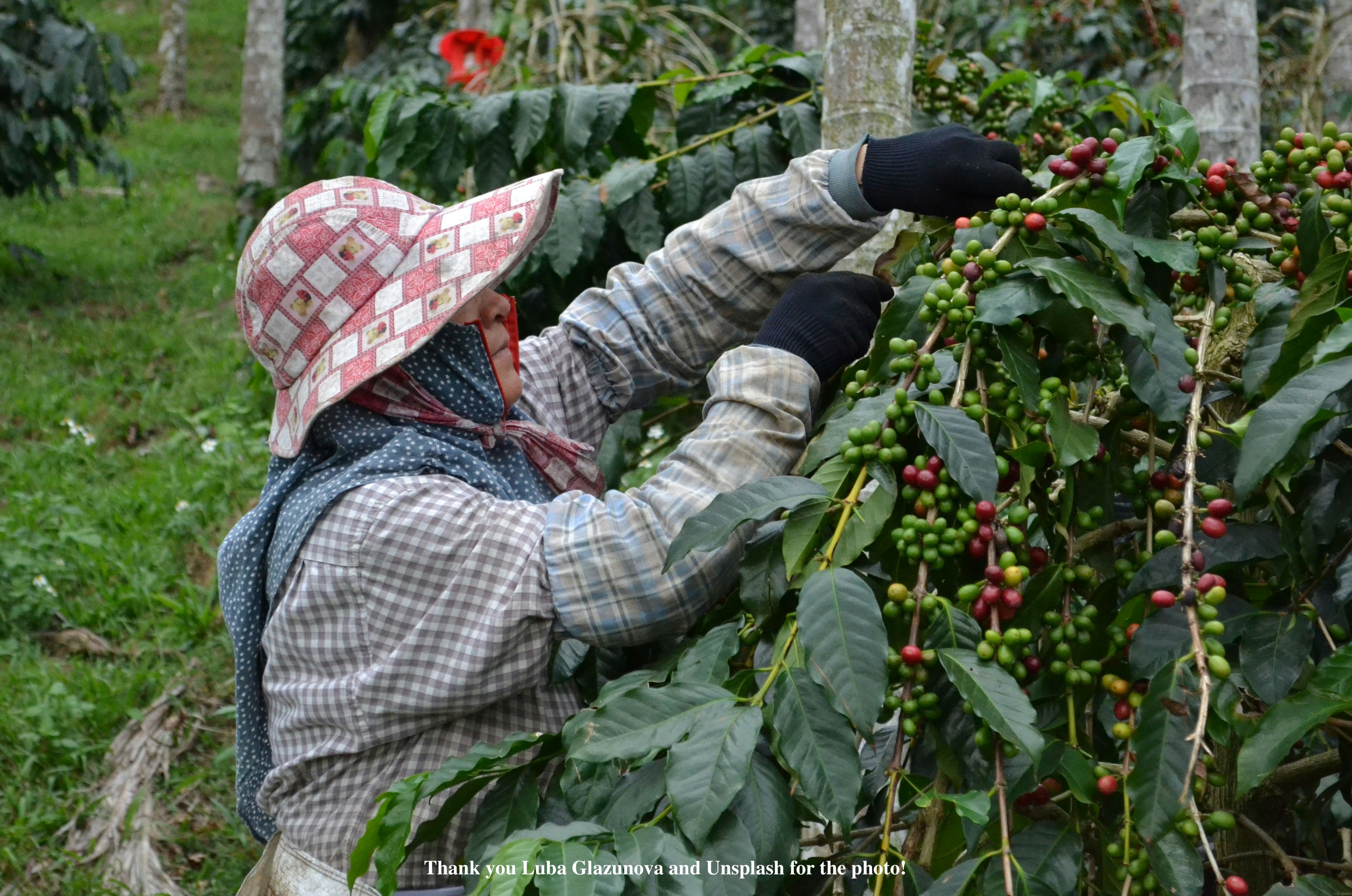
Your daily cup of coffee can have a bitter origin: child labor and even forced labor are documented in the coffee industry of several countries. Coffee beans are often grown by smallholder farmers in tropical regions, which can leave labor practices largely unregulated. In Brazil, the world’s largest coffee producer, authorities have uncovered many cases of forced labor on coffee plantations dol.govdol.gov. Remote coffee estates in Brazil’s Minas Gerais state (which produces about 70% of Brazil’s coffee) have employed workers under conditions tantamount to modern slavery – adults recruited from poorer regions by intermediaries (known as gatos) with false promises, only to be trapped in 15-hour workdays for pitiful wages dol.gov. These workers often accrue debts for food, travel, and work equipment that bind them to the farm, facing threats or confiscation of ID papers if they try to leave dol.gov. Meanwhile, child labor is a persistent issue in coffee cultivation across the developing world. In Côte d’Ivoire (Ivory Coast), for instance, thousands of children (some as young as 13 or 14) have been trafficked from neighboring countries like Burkina Faso, Mali, and Togo to work on Ivorian coffee plantations dol.gov. These children endure long hours of harvesting and carrying heavy loads, often without schooling or proper care, and some are held by traffickers for years without pay under threat of violence dol.gov. Child labor has also been documented in the coffee sectors of countries such as Honduras, Guatemala, Kenya, and Uganda, typically involving children from poor rural families helping with the harvest or tending coffee trees instead of attending school.
Supply Chain Transparency Issues: Coffee passes through many hands from farm to cup. Small coffee farmers (who produce the bulk of the world’s coffee) usually sell to local collectors or cooperatives. Beans from many sources get bulked, milled, and exported together, especially for mass-market coffee. This blending means that coffee from a farm using child labor can easily mix with coffee from more ethical farms, making it hard for consumers or even large coffee buyers to trace the exact origin. While some big companies have sustainability programs, certifying every small farm and policing labor practices is daunting, given that there are an estimated 12.5 million small coffee farms globally. In cases like Brazil’s, large traders might unknowingly buy coffee from plantations using indebted or forced labor because those farms sell through middlemen. A U.S. Department of Labor report noted that informal work is prevalent in Brazilian coffee (245,000 informal workers in Minas Gerais alone), which “increases the probability of exploitation” and that forced labor is “widespread” in that sector dol.govdol.gov. Furthermore, certification schemes like Fairtrade or Rainforest Alliance cover only a fraction of total coffee production, and even they have faced challenges ensuring compliance at the farm level. All these factors mean that the coffee in a typical can of ground coffee or a bag of beans might come from dozens of farms, some of which could be relying on child or forced labor without easy detection.
Ethical Risks: The most direct ethical concern is children working on coffee farms, often doing hazardous work like carrying heavy sacks of coffee cherries or spraying pesticides without protection. For example, in Kenya and Tanzania, reports have found children picking coffee or sorting beans, sometimes exposed to toxic agro-chemicals. The work can be physically stunting and keeps kids out of school, perpetuating cycles of poverty. There is also the risk of forced labor for vulnerable migrant workers – Latin America has seen cases of indigenous migrants or seasonal workers kept in debt bondage on large coffee estates. In Guatemala, for instance, Indigenous families have been documented working under exploitative conditions on coffee plantations for extremely low pay, unable to leave due to company stores and accumulated debts (a situation known historically as “peonage”). These abuses violate laws and standards, yet remote locations and economic desperation enable them to persist. Additionally, coffee is a labor-intensive crop with fluctuating global prices; when coffee prices fall, farmers may cut costs by squeezing labor costs or using family labor (children) more intensively. This economic pressure is an underlying ethical challenge: as long as coffee growers struggle to earn a living income, child labor will remain a temptation or necessity in some communities.
More Transparent or Ethical Alternatives: Conscious consumers can help address these issues by choosing coffee with independent certifications or known direct-trade sources. Fairtrade Certified coffee ensures that farmers received a minimum price and that no forced or child labor was used (auditors check conditions). Likewise, the Rainforest Alliance and UTZ (now merged with Rainforest) certifications include standards on child labor and worker welfare alongside environmental criteria. Although these certifications aren’t foolproof, they provide greater assurance of ethical practices. Some coffee companies go further by practicing direct trade, sourcing beans directly from farmers or cooperatives and investing in community development – such companies often advertise their ethical sourcing in transparency reports or on their packaging. For example, Counter Culture Coffee and Equal Exchange are known for building long-term relationships with coffee growers and promoting fair labor. Consumers can also support brands that participate in programs like the Fair Food Program for coffee (in jurisdictions where it exists) or those that publish supply chain data. Ultimately, paying a bit more for ethically sourced or specialty coffee (instead of the cheapest options) helps ensure that coffee farmers and pickers are treated fairly. Supporting coffee unions or cooperatives in producing countries (many cooperatives forbid child labor among their members) is another way to encourage change. By demanding and buying “slave-free” coffee, consumers send a signal that they value humane conditions from bean to cup.
5. Gold (Jewelry & Electronics)
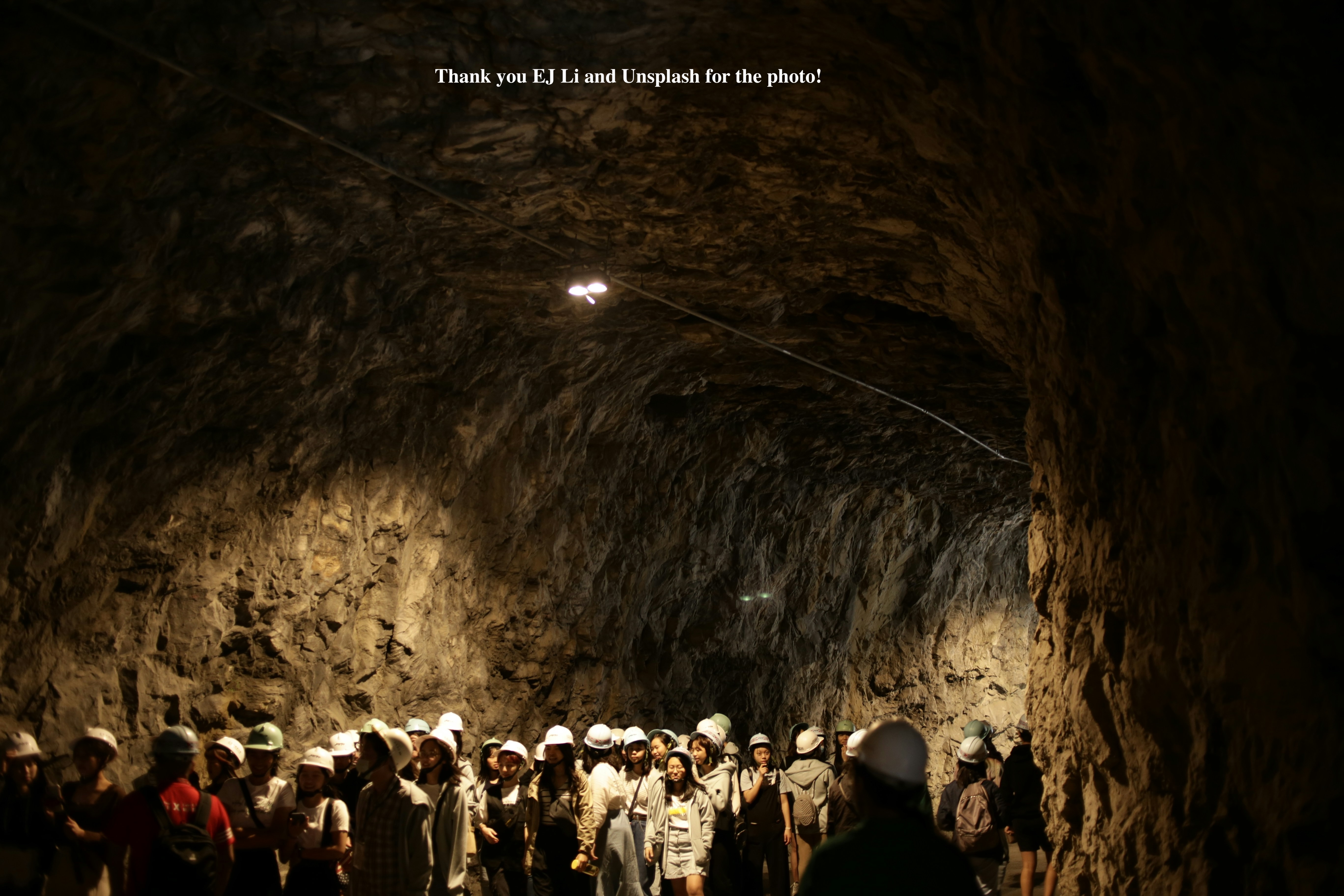
Gold is a coveted consumer commodity (for jewelry, coins, and electronics), but its extraction is frequently linked to child labor and forced labor in small-scale mines. About 20% of the world’s gold supply comes from artisanal and small-scale gold mines (ASGM), which often operate illegally or informally in developing countries undp.org. Across Africa, Asia, and Latin America, impoverished families, including children, dig for gold in dangerous conditions. For example, in Burkina Faso, it’s estimated that 30–50% of the gold mine workforce are children, many under age 15, some working under conditions of forced labor dol.gov. Children there and in neighboring countries (Mali, Niger, etc.) work in narrow mine shafts, crush ore by hand, and handle toxic mercury to extract gold dol.govdol.gov. They often receive little to no pay; some are trafficked or indebted to mine operators, essentially working as modern-day bonded laborers dol.govdol.gov. Similar situations are found in DR Congo, where militias and unscrupulous bosses have forced children to mine gold in conflict regions dol.gov, and in Peru and Colombia, where illegal Amazon gold mining involves trafficking and forced labor of teenagers in mining camps. According to the United Nations, around 15 million people work in ASGM worldwide – including over 600,000 children – highlighting how common child involvement is in gold mining undp.org.
Supply Chain Transparency Issues: Once gold is mined (whether by a child in a bush mine or by a large corporation), it enters a global supply chain that is notoriously difficult to trace. Small-scale miners usually sell their gold to local traders or brokers, who then pass it to exporters or larger trading firms. By the time it reaches a refinery, gold from countless sources is melted together. Refined gold is fungible – one gold bar is indistinguishable from another – making it nearly impossible to know which portion came from a conflict zone or a child-worked mine. While there are initiatives to track “conflict-free” gold (e.g. the OECD due diligence guidance and certification of some mines), these cover only a sliver of production. A single jewelry manufacturer’s supply might include gold from legitimate industrial mines alongside gold from informal ASGM, all mixed in commerce. The U.S. Department of Labor explicitly notes that goods like gold are often produced with inputs from forced or child labor, and separating those inputs in the supply chain is very challenging dol.govdol.gov. Moreover, recycling of gold (from old jewelry or electronics) gets lumped in with new gold, further muddying origins. The result is that mainstream gold dealers and jewelers can rarely certify that their gold is free of exploitative labor. High-profile cases have shown illicit gold (e.g. from illegal Amazon mines or war-torn regions) being laundered through refineries in Dubai or Switzerland and then sold on the global market as “new” gold. Overall, without rigorous supply chain audits, gold from abusive mining operations can easily end up in consumer products undetected.
Ethical Risks: The ethical issues with gold primarily involve the worst forms of child labor and extremely hazardous working conditions. In places like Burkina Faso and Tanzania, children have died in tunnel collapses or from mercury poisoning while working in gold mines dol.govdol.gov. Even if not outright forced, these children often work out of dire economic necessity or under pressure from family debts. Forced labor is also a risk in gold mining: for instance, in the Chad–Libya gold belt, migrants were deceived and then coerced to work in lawless desert mines under threat of violence dol.govdol.gov. In conflict regions (e.g. parts of DRC, Sudan, or the Central African Republic), armed groups have forced local villagers to mine gold, using the proceeds to fund war – making “blood gold” a parallel to blood diamonds. Even in more stable countries, gold mining exposes workers to life-threatening hazards: deep shaft mining without proper equipment, constant dust leading to lung disease, and handling mercury or cyanide to process ore. These health and safety issues are exacerbated when children are involved, since their developing bodies are even more vulnerable. The environmental destruction associated with illegal gold mining (like poisoned rivers and deforestation) also creates long-term community harm, contributing to poverty cycles that again feed labor exploitation. Thus, the ethical footprint of gold can be severe: behind a gold ring or a smartphone circuit there might be the story of a child risking his life in a pit or a man trapped in debt bondage.
More Transparent or Ethical Alternatives: Consumers can seek out ethically sourced gold and jewelry. One option is to buy from jewelers offering Fairtrade or Fairmined Gold – these certifications ensure the gold came from small mines that meet strict labor and environmental standards (including no child labor and fair wages). The supply of Fairtrade/Fairmined gold is still limited but growing, and some jewelers, especially in Europe, carry it. Another alternative is purchasing jewelry made from recycled gold. Since gold is endlessly recyclable, using recycled gold (from old jewelry or electronics) avoids fueling new mining; many ethical jewelers now use reclaimed gold as a selling point. Consumers can also consider lab-grown diamonds set in recycled metals as a way to have luxury jewelry with minimal human exploitation (lab-grown gems bypass mining altogether). Companies like Brilliant Earth have built their brand on sourcing “beyond conflict-free” diamonds and recycled or certified metals, giving consumers more peace of mind endslaverynow.org. In the electronics realm, while one can’t exactly buy a “Fairtrade smartphone” yet, brands that participate in responsible sourcing programs or use recycled gold in their circuit boards are preferable. Finally, advocacy matters: investors and consumers can pressure big tech and jewelry retailers to map their gold supply chains and source transparently. Initiatives like the Responsible Gold Agreement in the Netherlands or the London Bullion Market Association’s Responsible Sourcing Program are steps toward better oversight. By supporting these and asking tough questions about where gold comes from, consumers help shine a light on the supply chain and reduce the market for gold mined with child or forced labor.
6. Diamonds
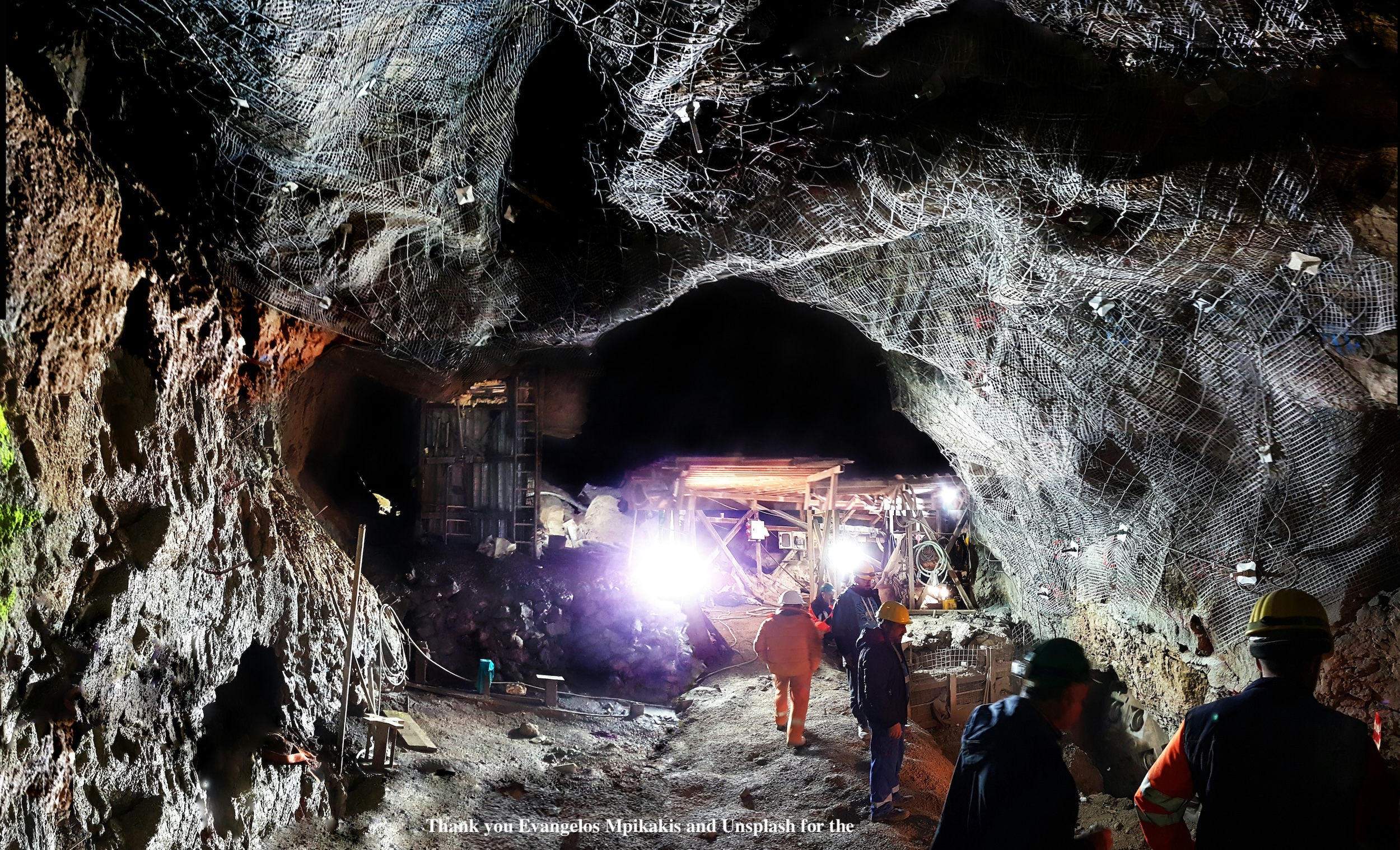
Sparkling diamonds often hide a dark reality of child labor, forced labor, and violence at their source. While the term “blood diamonds” (or conflict diamonds) refers to gems mined in war zones and sold to finance armed conflict, the labor abuses in diamond mining extend beyond conflict contexts. In several African countries – historically Sierra Leone, Angola, the Democratic Republic of Congo, and others – diamonds have been mined under horrific conditions. Children, some as young as 5, have been found working in diamond mines and alluvial digging sites dol.gov. In Sierra Leone’s diamond-rich Kono and Kenema districts, for example, boys and teenagers have been forced to dig for diamonds in muddy pits dol.govdol.gov. Some are trafficked or lured from rural areas by promises of income, only to be exploited by mine operators or brokers dol.gov. During conflicts like Sierra Leone’s civil war in the 1990s or Angola’s war, rebel groups enslaved civilians (including children) to mine diamonds, using brute force and terror. Even in peacetime, forced labor persists in artisanal diamond digging; debt bondage occurs when impoverished diggers borrow money for equipment or food and must work off the debt to middlemen under unfair terms. Diamond mining can be very dangerous – workers (often barefoot and with primitive tools) stand in deep water or mines at risk of collapse, sometimes suffering fatal accidents. In the DRC and CAR, reports indicate children and adults in remote mining zones work under armed control or in fear of armed bandits dol.gov. Overall, the diamond industry’s lower tiers (the small-scale and alluvial miners) are rife with human rights issues, even if large, industrial mines tend to have better oversight.
Supply Chain Transparency Issues: The diamond supply chain has made some strides in transparency (notably through the Kimberley Process Certification Scheme, which aims to prevent conflict diamonds from entering the market). However, Kimberley Process certification only ensures that rough diamonds are not financing conflict – it does not certify that they were mined ethically or without child/forced labor endslaverynow.org. Thus, a diamond can be “conflict-free” but still be tainted by harsh labor conditions or child workers. Additionally, smuggling and fraud can undermine the certification; there have been cases of conflict diamonds being mixed with legitimate parcels or being falsely certified by corrupt officials. Once diamonds are cut and polished (often in cutting centers like India, where labor rights can also be an issue), tracking their origin becomes essentially impossible. Most jewelry retailers cannot tell you the specific mine a diamond came from. Efforts like blockchain tracing of diamonds are underway in some companies, but industry-wide coverage is limited. Moreover, while the largest mining companies (in places like Botswana or Canada) have clean labor records and produce “certified” origin stones, a significant portion of diamonds on the market come from middlemen who aggregate production from many small sources. For example, diamonds from hundreds of small Congolese or West African diggers might be mixed and sold through trading hubs. Opaque trading networks in places like Antwerp, Dubai, or Mumbai historically have allowed illicitly mined stones to enter the mainstream. The U.S. Dept. of Labor includes diamonds on its list of goods mined with child or forced labor in countries like Angola, CAR, DRC, and Sierra Leone, indicating ongoing concerns dol.gov. But a consumer walking into a mall jewelry store will typically see no information about the labor conditions behind the gems on display.
Ethical Risks: The diamond mining sector’s ethical risks are twofold: labor exploitation (child labor, forced labor, dangerous conditions) and the broader issue of fueling conflict and human suffering. On the labor side, many diamond miners live in extreme poverty and are exploited by more powerful players who control access to mining areas. They may earn pennies on the dollar of the gem’s value. Children performing mining work miss out on education and often suffer injuries (deep cuts from digging, illness from standing in dirty water for hours). There have been heart-wrenching reports of kids killed in tunnel cave-ins or drowning in flooded pits. Forced labor and abuse are also documented: in Angola, there were reports of security forces torturing and even killing villagers suspected of illegal mining, effectively using terror to control labor in the diamond fields dol.gov. In Sierra Leone during conflict, rebels amputated limbs or killed those who didn’t comply – one of the grimmest intersections of forced labor and violence in any industry. Even where wars have ended, former combatants or bandits sometimes still extort local miners. Additionally, the health risks should be noted: diamond miners without proper gear can contract respiratory diseases from dust or suffer long-term musculoskeletal problems. The industry has tried cleaning up its act, but as experts point out, a “conflict-free” label doesn’t guarantee that a diamond wasn’t mined by a child or under slave-like conditions endslaverynow.org. Consumers face the ethical dilemma of potentially buying a product associated with some of the most brutal labor practices in recent history.
More Transparent or Ethical Alternatives: The good news is that alternatives exist. One major alternative is lab-grown diamonds, which have surged in popularity. These are real diamonds (chemically identical) created in a laboratory, and they involve no mining at all – thus no risk of child labor or conflict funding. Lab-grown diamonds are now widely available and often slightly cheaper than mined ones, making them an attractive ethical choice. For those who prefer natural diamonds, look for retailers that offer traceable diamonds from responsible sources. Some companies sell diamonds mined in Canada, for instance, which has strict labor and environmental laws; these stones often come with a certificate of Canadian origin. Other jewelers partner with specific ethically run mines in Botswana or Namibia, returning a share of profits to local communities. Brands like Brilliant Earth market their diamonds as ethically sourced and go beyond the Kimberley Process, using blockchain tracking for some stones and offering recycled gems endslaverynow.org. Certification programs like Responsible Jewellery Council (RJC) and Fair Trade Gems exist, though coverage is limited for diamonds. Another option is buying vintage/second-hand jewelry or recycled diamonds, which means no new mining demand. If you already own family diamonds, repurposing them in a new setting is a sentimental and ethical choice. Finally, consumers can ask jewelers tough questions: request documentation of origin or ethical sourcing policies. Jewelers responding to consumer concern may provide mine-of-origin info for select diamonds (some high-end retailers do laser-inscribe and track certain stones). By choosing these alternatives or ethically-certified diamonds, consumers can enjoy the beauty of a diamond with far greater confidence that it wasn’t purchased at the expense of someone’s freedom or childhood.
7. Cosmetics (Mica in Makeup)

The shimmery sparkle in many cosmetics (like eyeshadows, lipsticks, highlighters), as well as in car paint and electronics, often comes from mica – a mineral that is mined by hand in several countries under exploitative conditions. Mica mining is notorious for child labor, particularly in India and Madagascar, which are among the top exporters of sheet mica int.terredeshommes.nltheguardian.com. In Madagascar’s impoverished southern regions, a 2019 investigation found at least 11,000 children (ages 5–17) scavenging and mining mica – making up over half of the total mining workforce there theguardian.comtheguardian.com. Children as young as five crawl into unstable underground pits or pick through scraps to collect mica flakes, often suffering cuts, skin infections, and respiratory problems from the dust theguardian.com. Entire families, driven by drought and extreme poverty, work together in these mines for only a few cents per kilo of mica theguardian.comtheguardian.com. In India, the states of Jharkhand and Bihar have a long history of mica mining. Decades ago, mines were officially shut down for environmental reasons, but mining continued informally. An estimated 20,000 children were working in India’s mica mines at one point in the 2010s when 90% of mines operated illegally theguardian.com. These kids endure back-breaking labor and risk cave-ins (indeed, there are reports of children dying in mine collapses in India’s mica belt). Both India and Madagascar have seen tragedies where child miners lost their lives in accidents, underscoring the hazardous nature of this work.
Supply Chain Transparency Issues: Mica from these rural mines travels a convoluted path to end up in cosmetics. In Madagascar, for example, about 87% of mica is exported to China theguardian.comtheguardian.com. What happens is local networks of “collectors” buy mica from families or mine operators, then sell to regional processors who clean and sort it. From there, it’s shipped mostly to Chinese companies that process mica into pigment powders. By the time the mica is in a glittery eyeshadow or car paint additive, it has changed hands many times. This lengthy chain lacks transparency: according to the Terre des Hommes report, none of the companies in the supply chain were doing due diligence to trace the mica’s origin or conditions theguardian.com.
Cosmetic brands, in turn, often source pigments from intermediaries and might not even be aware which country the mica came from, let alone whether children were involved. India’s mica supply chain is similarly opaque. Until a few years ago, major cosmetics firms were unaware that their mica was coming from illegal Indian mines with child labor – they assumed it was from “legal” sources until journalists and NGOs exposed the truth. Because mica is a relatively low-cost material used in small quantities in products, it wasn’t a focus of supply chain scrutiny. Now some companies have pledged to clean up their mica supply, but challenges remain. Illegal mining and mica’s informal markets mean that even if a big buyer says “we only buy mica from legal, child-labor-free mines,” there’s a risk that illegal mica gets mixed in by suppliers trying to meet demand. Verification on the ground is costly and difficult, given the remote, scattered nature of mica pits in forests and the fact that many mines operate out of sight without licenses theguardian.comtheguardian.com. Overall, ensuring a mica supply is child-labor-free requires concerted effort and transparency that the industry is still working to achieve.
Ethical Risks: The presence of young children toiling in mica mines is the foremost ethical concern. These children forego education and work long hours doing hard physical labor – pounding rocks, crawling into narrow shafts, or carrying sacks of mica – all for an extremely meager reward. They are also exposed to significant health and safety dangers: mine shafts can collapse, and mica dust can cause lung ailments. NGO reports have documented children with chronic coughs, cuts that have turned into infections, and stunted growth. The work can be deadly; there are documented cases of children being buried alive in mica pit collapses, their deaths often unreported due to the illegal nature of the mines. In addition to child labor, extreme exploitation of adult workers is an issue – whole families might earn only a dollar or two per day collectively, an amount insufficient to escape the poverty that drives them to mine in the first place theguardian.comtheguardian.com.
There have also been instances of debt bondage linked to mica: labor contractors might advance a small loan to a family in crisis, then force them to dig mica to repay, perpetuating a cycle of indebted labor. From an ethical standpoint, it’s troubling that products as benign-seeming as makeup or car paint could be connected to such suffering. The contrast of a child risking her life in a dusty pit so that a consumer can have a subtle sparkle in their lipstick is jarring. This realization has led to increased scrutiny and pressure on companies to ensure their mica is responsibly sourced.
More Transparent or Ethical Alternatives: Consumers and companies have a few pathways to ensure mica in products is guilt-free. One solution is using synthetic mica (fluorphlogopite) or other alternative pigments for sparkle. Some cosmetics brands have started switching to lab-made mica, which can provide a similar shimmer without the human cost (and it’s usually noted on ingredient lists as synthetic fluorphlogopite).
For those that continue to use natural mica, participating in initiatives like the Responsible Mica Initiative (RMI) is key. The RMI is a coalition of companies, NGOs, and governments working to eradicate child labor in mica supply chains – companies in RMI commit to source from monitored, legal mines and to invest in community development so families aren’t forced to send children to mine. As a consumer, you can look for brands that publicly address mica sourcing. Some ethical cosmetic brands explicitly state that their mica is ethically sourced or child-labor-free, often through partnerships with organizations on the ground. For example, L’Oréal and Estée Lauder have programs in India to monitor mines and provide schooling to children in mica mining areas. Buying from companies that value supply chain transparency encourages the rest of the industry to follow suit. Another step is to support advocacy: the more consumers ask makeup brands “Is your mica child-labor-free?”, the more brands will feel pressure to map and clean their mica supply. Lastly, choosing Fair Trade certified makeup (a very niche but emerging area) or brands that have won sustainability awards can be an indicator of better practices. By being mindful of the sources of that pearly sheen in products, consumers can help brush away the ugly practices behind the shine and support a shift to a fairer mica trade.
8. Palm Oil (Processed Food & Personal Care Products)
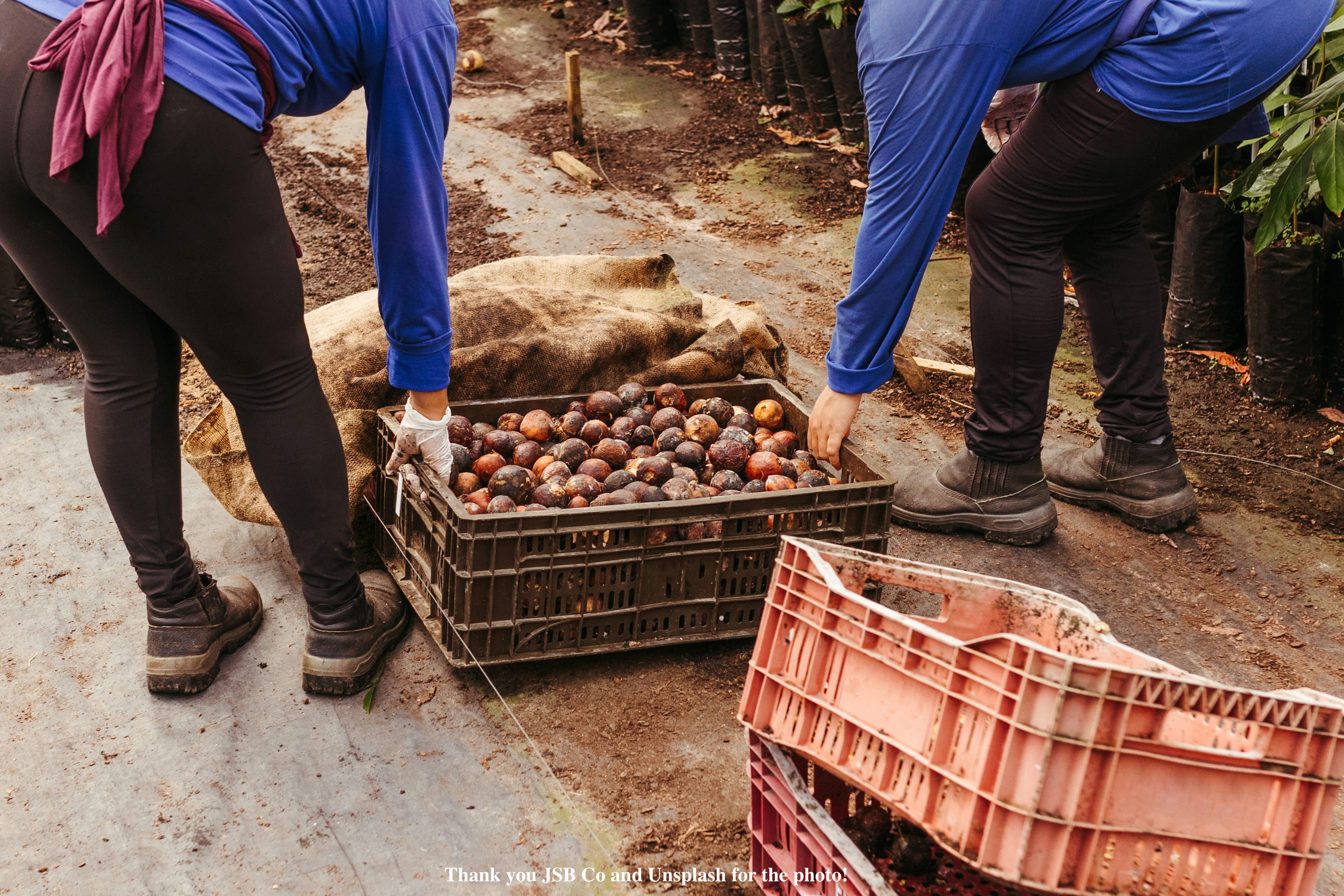
Palm oil is a ubiquitous ingredient found in everything from snacks and cooking oil to soaps, shampoos, and cosmetics. However, the palm oil industry in Southeast Asia (primarily Indonesia and Malaysia, which produce about 85% of the world’s palm oil) has been plagued by serious labor exploitation, including child labor, forced labor, human trafficking, and even slavery-like conditions. Investigative reports and NGO research reveal harrowing abuses on some palm oil plantations. On certain Malaysian and Indonesian estates, migrant workers from countries like Indonesia, Bangladesh, or Myanmar have been trapped in forced labor: they work up to 12–16 hours a day in sweltering plantations, facing physical abuse, restricted movement, withheld wages, and dire living conditions apnews.com. Women workers have reported instances of sexual violence (even rape) by supervisors in remote plantation areas apnews.com. Children, too, are found working on palm plantations – often the children of migrant laborers who have no access to schools and end up helping their parents meet harsh daily quotas by collecting loose fruit or spraying pesticides. Tens of thousands of children are estimated to work in Malaysia’s palm oil sector alone dol.gov, some as young as 5, exposed to toxic agro-chemicals and carrying heavy loads of palm fruit. In Indonesia, cases of debt bondage have occurred, where laborers are recruited by agents with upfront fees or travel costs that tie them to the job until repaid, effectively indenturing them on the plantation. The U.S. Department of Labor lists palm oil (and its derivative products) from both Malaysia and Indonesia as produced with child labor and forced labor, reflecting how common these issues are dol.govdol.gov.
Supply Chain Transparency Issues: Palm oil’s supply chain is complex but highly integrated. Fresh fruit bunches are harvested on plantations large and small (including smallholder farms) and then transported to mills, where the oil is extracted. A single mill might process fruit from dozens of plantations and independent farmers, mixing all the oil together. That crude palm oil then goes to refineries and is further processed into ingredients for food manufacturers or chemical companies worldwide. By the time it appears as “vegetable oil” or an ingredient with a scientific name in a product, it’s impossible to tell which plantation it originally came from. This blending makes it hard to exclude tainted palm oil: even if big brands pledge not to buy from a known abusive plantation, the mill/refinery system can inadvertently mix that oil into batches. Moreover, palm oil often changes hands via traders and international commodity markets, so end-user companies might not have direct visibility of all sources. Transparency initiatives like the RSPO (Roundtable on Sustainable Palm Oil) certification have criteria for labor conditions, but investigations have shown that even some RSPO-certified plantations were found to have labor abuses apnews.com, indicating gaps between policy and practice.
Law enforcement in producer countries has also been weak – remote plantations aren’t frequently inspected. In recent years, major buyers have published mill lists and sourcing maps, and some have no-deforestation-and-no-exploitation policies requiring suppliers to adhere to labor standards. Despite that, watchdog groups continue to uncover cases of forced or child labor in the palm supply chain, partly because third-party suppliers and subcontractors may violate rules without the big companies realizing. The bottom line is that the global supply of palm oil (found in roughly half of all packaged supermarket products) remains difficult to fully trace, and labor exploitation can stay hidden within the sheer volume of oil trading. As of 2020, even after significant media attention, the U.S. banned imports from two major Malaysian palm oil producers over forced labor findings apnews.com, underscoring that problems persist at large scales.
Ethical Risks: The ethical problems here involve vulnerable workers and children being exploited to keep palm oil profitable. Plantation work is grueling: workers often must meet high quotas (e.g., collecting 1–2 tons of fruit per day) or face wage deductions. Some live in squalid on-site barracks without clean water. Passport confiscation is a common tactic – migrant workers arrive and their employer holds their documents, preventing them from leaving or finding other jobs dol.govdol.gov. This can amount to modern slavery when combined with threats or violence. Entire families might have to work just to earn the minimum, leading to child labor as kids accompany their parents to help.
There have been reports of kids missing schooling or getting injured by falling palm fruit or machetes used in harvesting. Health and safety are major concerns: workers (including adolescents) spray dangerous pesticides like paraquat without proper protection, leading to poisonings and long-term health issues. The ethical risk extends down the line to consumers and brands – nobody wants their shampoo or cookies to be the product of such suffering. Yet, because palm oil is so prevalent and supply chains so entangled, many companies have inadvertently been linked to these abuses. For instance, an AP investigation found palm oil from abusive plantations ending up in products of well-known Western brands apnews.comapnews.com. Another aspect is forced and trafficked labor: cases where job brokers have deceived workers from poorer countries (like promising a good factory job in Malaysia) and then trapped them on remote plantations. These workers may not speak the local language and are afraid to seek help, meaning the abuse stays hidden. Ethically, the palm oil issue is complex because it’s also tied to deforestation and land rights – indigenous communities have been forced off their land (land grabs) to make way for plantations, which is another human rights facet. In summary, the low-cost palm oil in countless products carries high ethical costs at origin if not sourced responsibly.
More Transparent or Ethical Alternatives: Consumers can make a difference by supporting products with certified sustainable palm oil and by demanding stricter labor standards from companies. The RSPO certification is currently the main certification for sustainable palm oil; it addresses environmental issues and has basic labor standards (no forced or child labor, etc.). While not perfect, choosing products with RSPO or Rainforest Alliance Certified palm oil is better than nothing – it indicates the company is at least monitoring its supply. Some companies have also adopted “Palm Oil Free” labeling, reformulating products to use alternative oils (like sunflower, coconut, or shea butter). However, outright boycotting palm oil can harm small farmers and doesn’t necessarily solve labor issues (exploitive labor can occur with other crops too). Instead, look for brands that belong to programs like POIG (Palm Oil Innovation Group) or those that publish progress on “no exploitation” commitments. For instance, large buyers like Nestlé and Unilever have joined initiatives to improve labor practices and now use satellite and GPS tracking to monitor plantations (mostly for deforestation, but increasingly for social compliance too).
As a consumer, you can check company sustainability reports – reputable ones will mention labor audits or community programs on their supplying plantations. Another alternative is supporting smallholder-inclusive and fair trade palm oil projects (there are a few co-operatives that produce fair trade palm oil, used in some specialty products). In personal care, some niche brands source palm oil from verified organic and fair trade sources, or use certified Fair for Life palm oil (a certification that focuses on fair labor). Finally, raising awareness is key: by understanding that something as common as cooking oil or margarine could be connected to forced labor, consumers can advocate for change. Pushing companies for fully traceable supply chains – from plantation to product – and for independent labor rights monitoring can gradually eliminate the worst practices. In short, rather than avoiding palm oil entirely, choosing ethical palm oil and pressuring industry and regulators for greater transparency is a more sustainable way to protect both workers and the environment.
9. Seafood (Fish & Shrimp
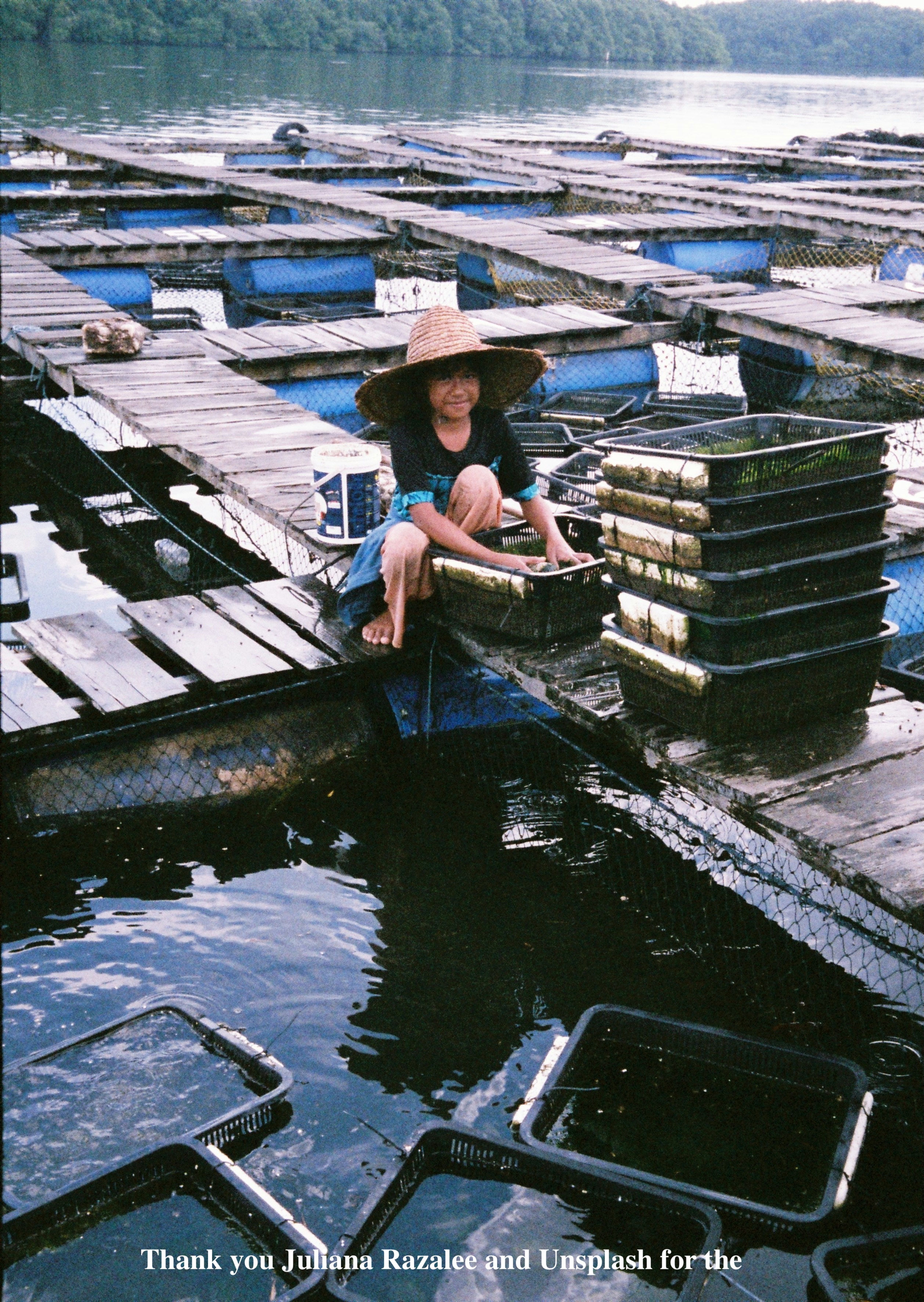
From the fish fillet on your plate to the shrimp in your cocktail, some seafood has been caught or processed by people trapped in forced labor or by children in hazardous work. The fishing and aquaculture industries have had repeated revelations of labor trafficking and modern slavery, especially in parts of Asia and Africa. A notorious example is the Thai fishing industry: over the past decade, investigations found that migrant workers from Myanmar, Cambodia, and Laos were held captive on Thai fishing vessels for years at a time dol.govdol.gov. These workers were often deceived by brokers (promised on-shore jobs) and then sold to boat captains. Once at sea, they endured 18–20 hour workdays, physical beatings, starvation diets, and even witnessed murders. Their passports were taken, and boats stayed offshore for months or years, transshipping fish to market without ever docking – meaning the enslaved fishermen literally could not escape dol.govdol.gov. The catches from these boats included catches like tuna, squid, and “trash fish” (used for pet food and fishmeal) that entered global supply chains. Similarly, in Indonesia, a 2015 exposé uncovered hundreds of trafficked Burmese and Cambodian men locked on the remote island of Benjina, forced to fish; their catches went into the supply of major U.S. supermarkets and restaurants before the men were rescued dol.govdol.gov. On the other side of the spectrum, child labor is prevalent in certain inland fishing sectors – for example, Lake Volta in Ghana. There, an estimated thousands of boys (some as young as 5 or 6) have been trafficked or sold by impoverished families to work for fishermen on the lake dol.govdol.gov. These children work long hours paddling boats, casting nets, and diving underwater to untangle nets (a dangerous task that has led to drownings) dol.govdol.gov. They often live with the fishermen as captive labor, poorly fed, denied education, and threatened with violence if they try to flee. Child labor is also found in shrimp farming and processing in parts of Asia (e.g., peeling shrimp in Bangladesh or Thailand, often done by entire families including kids).
Supply Chain Transparency Issues: The seafood supply chain is one of the most complex and globally far-reaching, making traceability a big challenge. Fish and shrimp often go through many steps: caught in one country’s waters, processed in another, then shipped worldwide. For wild-caught fish, transshipment at sea (where catches are moved from small fishing boats to larger refrigerated ships) can obscure where a fish was caught and by whom. This is how illegally caught fish or fish caught by forced labor can get mixed with legally caught fish. By the time seafood reaches a distributor or restaurant supplier, it’s virtually impossible to identify if a particular lot was handled by enslaved crew. Documentation can be falsified easily in some ports. Similarly, farmed seafood like shrimp might be raised at one farm but then peeled or packaged at a distant facility where labor conditions might be unknown. In Thailand’s shrimp processing, for example, subcontractors ran peeling sheds hidden from regulators, employing undocumented migrants and children; the cleaned shrimp then entered the supply chain to major exporters with no indication of the labor behind it.
Mislabelling is also an issue – a fish might be labeled as one species or origin but actually be another, further muddying traceability. The U.S. and EU have started to enforce stricter import regulations (like the US Seafood Import Monitoring Program) to require documentation of catch origin, partly to combat illegal fishing and labor abuse. However, enforcement is still catching up. Another issue is that flagged vessels (ships that are known for abuse) can change names or flags and continue operating. And at ports, inspections for labor conditions are rare compared to checks for catch legality or tariffs. All told, if a consumer buys an average bag of frozen shrimp or a tuna steak, there’s often no information on whether it was ethically sourced. High-profile investigations have shown how seafood tainted by forced labor made it into the supply chains of big retailers – for instance, fish caught by enslaved workers in Indonesia was traced to supply at well-known U.S. grocery stores and pet food brands dol.govdol.gov. These revelations highlight the industry’s lack of transparency historically. That said, some progress is being made with electronic catch documentation and vessel tracking to improve traceability, but these systems are not yet universal.
Ethical Risks: The ethical issues in seafood are stark: in worst cases, it’s literal modern slavery on the high seas. Men on forced-labor fishing boats have described being chained, whipped with stingray tails, or locked in freezer holds as punishment. There are accounts of crew members collapsing and dying from exhaustion or injury and simply being dumped overboard. This is slavery in every sense, driven by the pressure for cheap seafood and by illegal fishing operations. Beyond forced labor, child labor in fisheries raises concerns about safety and welfare – children diving to free nets risk entanglement and drowning (as has happened on Lake Volta), and they work long hours in the hot sun leading to fatigue and illness. In seafood processing, young workers face repetitive motion injuries, knife accidents, and exposure to chemicals (like in shrimp processing with disinfectants). Another ethical concern is the lack of recourse – on a boat in international waters, there’s no easy way for a victim to report abuse or escape; jurisdictional loopholes (the boat’s flag country laws may not be enforced) mean abusers often go unpunished. Economically, trafficked and forced labor undercuts honest fishers, creating unfair competition and harming legitimate industry players as well. For consumers and companies, there is a reputational and moral risk: no one wants their canned tuna or pet’s cat food to have a supply chain that involves slave labor or exploited kids. It’s also worth noting that these labor abuses often go hand-in-hand with illicit fishing (like poaching in protected waters, overfishing, etc.), so there’s an environmental ethics component too – the worst labor practices are frequently found on vessels also committing ecological crimes. All these intertwined issues make seafood one of the more challenging sectors to reform ethically.
More Transparent or Ethical Alternatives: To ensure your seafood is not tainted by labor abuse, consider sourcing and certifications carefully. Fair Trade Certified seafood is an emerging option – for example, there are Fair Trade certified tuna fisheries and shrimp farms which must adhere to strict labor and wage standards (including no child or forced labor) and invest in community welfare.
Buying Marine Stewardship Council (MSC) or Aquaculture Stewardship Council (ASC) certified products can help, though these focus more on environmental sustainability; recently, they have included some labor criteria or additional risk assessments for forced labor. Another label, Best Aquaculture Practices (BAP), includes social responsibility in its certification for farmed seafood. Consumers should look for brands or retailers with a public commitment to 100% traceable and responsible seafood. For instance, some companies participate in the Global Seafood Task Force or similar initiatives and publish reports on audits of their supply boats and processing plants. If you’re in the U.S. or Europe, patronizing supermarkets that have strong sustainable seafood policies (often detailed on their websites) can make a difference – many have purged suppliers implicated in forced labor scandals.
In practical terms, buying seafood that is locally harvested (like U.S.-caught seafood if you live in the U.S., where labor laws are stronger) can reduce the risk of labor abuse, compared to imported seafood from higher-risk regions. You could also support community-supported fisheries (CSFs) or local fish markets where you know the fishers. For shrimp, consider domestic gulf shrimp or Argentine red shrimp which are wild-caught under regulated conditions, versus cheaper farmed shrimp from parts of Asia that might have labor issues. Additionally, technology is improving transparency: some progressive brands offer QR codes on packages to trace the fish back to the vessel or farm, giving assurance of ethical practices. Advocating for stronger laws (like import bans on products of forced labor, and mandatory vessel monitoring) is another way to amplify ethical sourcing. By choosing seafood from known, responsible sources or certified supply chains, consumers create market pressure that rewards boats and farms with fair labor practices and helps clean up the industry over time.
10. Tobacco (Cigarettes)

The tobacco in cigarettes and other tobacco products is linked to extensive child labor and forced labor in tobacco agriculture. Unlike many other industries, the problem in tobacco is less about factory sweatshops and more about exploitation on farms and plantations where tobacco leaf is grown. For instance, in Malawi – one of the world’s top tobacco-producing countries – it’s estimated that over 70,000 children work on tobacco farms, with some as young as 5 years old participating in tasks like picking and bundling leaves dol.gov. Many of these children are in situations of bonded labor: their families work as tenant farmers on large tobacco estates and accrue debts for rent, tools, or food; to help service these debts, children are made to work long hours in the fields dol.gov. Investigations have found entire families in Malawi effectively trapped in debt bondage to estate owners – the adults and kids cannot leave until the debts (which are often manipulated to remain unpayable) are cleared dol.gov. This scenario is so common that Malawi’s tobacco has been flagged for both child labor and forced labor by the U.S. Department of Labor dol.gov. Beyond Malawi, child labor in tobacco is documented in countries like Indonesia, Brazil, Zimbabwe, and the United States. In Indonesia and some parts of Latin America, small family farms often have children helping with planting and curing tobacco. In the U.S., there have been reports of teenagers (12-17 years old) working legally in tobacco fields in states like North Carolina and Kentucky, exposed to nicotine and pesticides – a Human Rights Watch report highlighted the health risks to these youth, although the U.S. has since issued guidance against hiring minors for tobacco. Another troubling aspect is that children handling wet tobacco leaves can absorb nicotine through their skin, leading to Green Tobacco Sickness (nicotine poisoning) – symptoms include nausea, headaches, and dizziness, and children are particularly susceptible. Yet impoverished families often see no choice but to have their kids help in the harvest, especially where leaf prices are low and labor-intensive hand-picking is required.
Supply Chain Transparency Issues: Tobacco leaves harvested on farms go through a chain of buyers and processors before reaching cigarette manufacturers, and at several points the product from many sources is combined. For example, tobacco from hundreds of small farms might be mixed together at buying stations or warehouses dol.gov. Major tobacco companies or leaf suppliers operate buying centers where they purchase cured tobacco from growers, and often “tobacco from different sources is mixed at the point of sale and at leaf buying facilities”, according to the U.S. Department of Labor dol.gov. This blending means that a pack of cigarettes contains tobacco that could come from dozens of farms. If even some of those farms used child labor or forced labor, that tainted tobacco is now spread throughout the supply. Companies historically have had limited visibility into labor practices at the farm level, especially when using third-party leaf suppliers. Another complication is the global nature of tobacco trading – leaves from Malawi, Brazil, and other countries might all be blended to achieve specific flavor profiles in a single product line. Tobacco multinationals have often sourced from countries with known labor issues (like Malawi or Kazakhstan) but have relied on supplier codes of conduct rather than direct farm monitoring. Until recently, there was little in product labeling or traceability that would signal to a consumer where the tobacco in a cigarette came from. However, after exposure and pressure, some companies have started mapping their supply chains more closely and implementing child labor monitoring in high-risk areas. For example, Philip Morris International launched an “Agricultural Labor Practices” program a decade ago to curb child labor among its contracted farmers. Still, enforcement is inconsistent, and independent audits have found ongoing violations. The supply chain’s opacity is such that a factory in, say, the U.S. or Europe could be making cigarettes with a percentage of leaf that was harvested by a 12-year-old in Africa, and there would be no way for the smoker (or even regulators) to know. Moreover, illicit tobacco (smuggled or unregulated production) completely sidesteps any oversight and could come from the worst forms of labor. Transparency in tobacco is slowly improving due to corporate social responsibility efforts, but it remains difficult for consumers to get clear information.
Ethical Risks: The ethical problems in tobacco farming center on exploitation of vulnerable workers and children’s health. Child laborers in tobacco face unique hazards: nicotine absorbed through the skin can cause acute poisoning; studies have found tobacco harvesters (including teens) can absorb nicotine equivalent to smoking dozens of cigarettes in a day just from contact with the leaves. This can cause vomiting, weakness, and long-term health effects. Children also use sharp tools and heavy sticks to spear tobacco leaves, risking injury, and they climb into barns to hang tobacco for curing, sometimes in high heat and dangerous conditions. Forced labor in tobacco tends to be more of an economic coercion (debt bondage) than overt physical force, but it is no less binding. In some cases, whole families are unable to leave a plantation because they “owe” more than they earn – essentially indentured servitude that can persist across generations. These laborers may have their movements controlled and face threats if they attempt to leave without repaying debts dol.gov. There have also been reports of government-imposed labor in tobacco: for instance, historically in Kazakhstan, students and teachers were once mobilized to help harvest tobacco under a quota system (similar to forced cotton-picking elsewhere). Another dimension is the ethical hypocrisy that often, the countries using forced child labor in tobacco are not the ones consuming it – they produce leaf for export, meaning wealthier countries’ smokers are separated from the problem. This has raised questions of equity and justice: children in poor countries should not sacrifice their health or freedom for a product that is itself harmful and primarily enjoyed elsewhere. Additionally, because the tobacco industry is so lucrative (for companies and sometimes governments via taxes), there has been less regulatory focus on farm labor conditions compared to, say, cocoa or coffee. This neglect is an ethical issue in itself. Finally, consider that many child laborers in tobacco are working in a crop that will go on to harm the health of consumers; though unrelated to their labor rights, it’s a sad irony that children’s wellbeing is compromised to produce a substance that undermines health globally.
More Transparent or Ethical Alternatives: Unlike some other products, there isn’t a Fair Trade Tobacco widely available for consumers, and one can’t really buy “ethically sourced” cigarettes in the way one might buy fair trade coffee or chocolate. The most ethical alternative in terms of consumer choice is arguably to avoid tobacco products altogether, thereby not contributing to the demand that fuels exploitation. For those who do use tobacco, one could research if any smaller companies source tobacco from farms with strong labor practices or from countries with better labor enforcement (for example, some boutique tobacco products might use primarily U.S.-grown tobacco, which, while not free of child labor issues, at least has some regulatory oversight). That said, even U.S. tobacco isn’t child-labor-free, since kids 16+ (and in some cases 12+ with parental consent for limited hours) can legally work in tobacco fields. On the production side, advocating for tobacco companies to strengthen their supply chain monitoring is key. Consumers (and investors) can pressure Big Tobacco to fully implement zero-child-labor policies and to support remediation programs (like funding schools or alternative livelihoods in farming communities). Some tobacco manufacturers now publish sustainability reports detailing their efforts – savvy consumers can look these up and favor companies showing real action. For example, a few companies have started using third-party audits of farms and cutting off suppliers who don’t eliminate child labor. As a society-level alternative, promoting crop diversification away from tobacco in places like Malawi can reduce reliance on child labor (since tobacco is very labor-intensive). Supporting organizations that fight child labor in agriculture, such as NGOs working in these countries, is another way to contribute to a solution. Lastly, with nicotine products diversifying (e.g., e-cigarettes, synthetic nicotine pouches), there is potential to reduce reliance on tobacco farming. If new nicotine products use pharmaceutical-grade nicotine (which can be synthesized in labs), it could indirectly reduce demand for leaf tobacco – though this comes with its own regulatory and health debates. In summary, the most transparent and ethical choice is to not purchase tobacco products; for those who do, awareness and advocacy are crucial, because unlike fair trade coffee or chocolate, an easy ethical consumer fix is not readily available on the shelf. Ultimately, eliminating child and forced labor in tobacco will require continued international pressure, stronger laws (e.g., raising minimum age of farm work in tobacco), and economic changes in farming regions, which consumers can support through advocacy and responsible lifestyle choices (like quitting smoking or vaping, which has numerous other benefits as well).
Sources: The U.S. Department of Labor’s 2024 report on goods produced with child/forced labor highlights many of the above products dol.govdol.gov, and investigations by agencies and NGOs (Reuters, Amnesty International, Human Rights Watch, The Associated Press, etc.) have provided detailed evidence of these supply chain issues theguardian.comamnesty.orgendslaverynow.orgtheguardian.comapnews.comdol.govdol.gov. These sources reinforce the urgent need for greater supply chain transparency and ethical sourcing initiatives across industries. Each of the products listed carries significant ethical risks, but also presents opportunities for consumers, companies, and governments to take action – from buying fair trade goods to enforcing import bans – to ensure that everyday consumer products are not bought at the price of a child’s education or a worker’s freedom.
Sources:
Cocoa
Human Rights Watch (2003, report “Stop Trafficking in Child Labor”) – documents how children (often trafficked from neighboring countries) were exploited on West African cocoa farms supplying U.S. chocolate; finds nearly half of U.S. chocolate traced to cocoa picked by child laborers in Côte d’Ivoirehrw.org.
The Guardian (2015) – news article reports ongoing child labor and even forced labor on Nestlé-linked cocoa farms in Côte d’Ivoire, including a case of a young worker not being paid for a year’s work theguardian.comtheguardian.com.
Cobalt (electronics batteries)
Amnesty International (2016) – report “This is what we die for” exposes harsh conditions in DRC cobalt mines, including thousands of child miners (some as young as 7) digging cobalt for smartphone and electric-car batteries amnesty.org.
The Guardian (2016) – investigation based on Amnesty’s findings, noting that children (as young as seven) mine cobalt in DRC under life-threatening conditions for global brands’ smartphones and laptops theguardian.comamnesty.org.
Cotton
Human Rights Watch (2017) – report “We Can’t Refuse to Pick Cotton” details Uzbekistan’s state-run cotton harvest, showing widespread forced labor (including children). During the 2016 harvest, school officials forced 13–14-year-olds to pick cotton after classes hrw.org.
Palm Oil
Amnesty International (2016) – report “Palm Oil: Global brands profiting from child and forced labour” documents severe abuses on Indonesian palm plantations (Wilmar supply chain). It finds children as young as 8 working long hours in hazardous conditions on oil palm estates linked to major brands amnesty.org.
Sugarcane
Human Rights Watch (2004) – “Turning a Blind Eye” documents El Salvador’s sugar industry using hazardous child labor. Children (including 8–11 year-olds) were found planting and cutting sugarcane; foremen openly ignore children as young as 8 doing backbreaking work with machetes hrw.org.
Gold
Human Rights Watch (2015) – report “Precious Metal, Cheap Labor” on Ghana’s artisanal gold mines finds “thousands of children” (youngest age 9) toiling in mines and panning pits. These children haul ore and handle mercury in unsafe conditions, underscoring child labor’s prevalence in gold extraction hrw.org.
Garments (textiles/clothing)
U.S. Dept. of Labor (2021, Bangladesh report) – notes that children in Bangladesh perform dangerous tasks in garment and textile production, despite laws (e.g. children handling heavy machinery or toxic dyes)dol.gov.
Reuters (2009) – news piece summarizing a U.S. Labor Dept. study, reporting that global clothing (sewn apparel) supply chains involve both child and forced labor in countries like India, Vietnam, and elsewhere reuters.com.
Coffee
Daily Coffee News / ILO (2024) – based on ILO/UNICEF data, this industry news report highlights that coffee is one of the world’s major child‑labor commodities. Only gold, bricks and sugarcane rank higher by number of countries affected; it calls out “child labor [as] a salient human rights risk” for global coffee supply chains dailycoffeenews.com.
Electronics (devices, batteries)
Amnesty International (2016) – campaign “Is my phone powered by child labour?” reveals that ~40,000 children (some age 7–14) work in DRC cobalt mines under toxic conditions to extract minerals used in smartphones, laptops and electric cars amnesty.org.
The Guardian (2016) – news article echoing Amnesty’s findings, noting that children as young as 7 mine cobalt in Congo for batteries used by companies like Apple and Samsung theguardian.comamnesty.org.
Bricks (brick kilns)
Human Rights Watch (2016) – report “They Bear All the Pain” documents Afghanistan’s child labor crisis. It finds “tens of thousands” of Afghan children (some starting at age 5) working as bonded laborers in brick kilns and carpet workshops hrw.org.
Reuters (2018) – press report on Cambodia notes that “tens of thousands” of Cambodian families – including children – are trapped in debt-bonded labor making bricks, often working long hours to pay off loans to kiln owners reuters.com.
Consumer Tools and Certifications
U.S. Dept. of Labor (ILAB) – its “List of Goods Produced by Child Labor or Forced Labor” is a publicly searchable database. It explicitly names all the above products (cocoa, cotton, garments, coffee, gold, sugarcane, bricks, electronics, palm oil, cobalt, etc.) as at-risk goods made with child or forced labor dol.gov.
Ethical Consumer (UK) – non-profit with an “Ethical Shopping Guide” covering 100+ categories (food, clothing, tech, etc.). It provides brand ratings and “Best Buy” recommendations to help consumers avoid products linked to exploitation ethicalconsumer.org.
End Slavery Now (Coalition to Abolish Slavery & Trafficking) – website and Slave-Free Shopping Guide listing common child-labor goods and suggesting alternatives. For example, it highlights cocoa (250,000 Ivorian child laborers) and suggests Fairtrade chocolate brands, and calls out forced Uzbek cotton picked for Western fashion, pointing to fair-trade clothing labels endslaverynow.orgendslaverynow.org.
treet Grace (anti-trafficking NGO) – maintains curated Ethical Shopping Guides for apparel and home goods. It lists ethical fashion brands (e.g. Patagonia, People Tree, Pact) that use fair trade cotton and transparent supply chains streetgrace.org.
Fairtrade International (certification body) – products (cocoa, coffee, sugar, etc.) bearing the Fairtrade mark meet strict standards: no one under 15 can be employed, and under-18s may only do limited family‑farm tasks fairtrade.net. Fairtrade certification helps consumers identify items that are independently verified to exclude child labor.
Sources: Reports and investigations by Human Rights Watch, Amnesty International, Reuters, the U.S. Dept. of Labor, and others document child/forced labor in these industrieshrw.org theguardian.com amnesty.orgamnesty.org hrw.org hrw.orgdol.gov reuters.com dailycoffeenews.com amnesty.org theguardian.comhrw.orgreuters.com. Consumer guides and certifications (Ethical Consumer, End Slavery Now, Fairtrade, etc.) provide tools to identify more ethical products endslaverynow.org streetgrace.org fairtrade.net ethicalconsumer.org.
The Hidden Cost of Our Devices
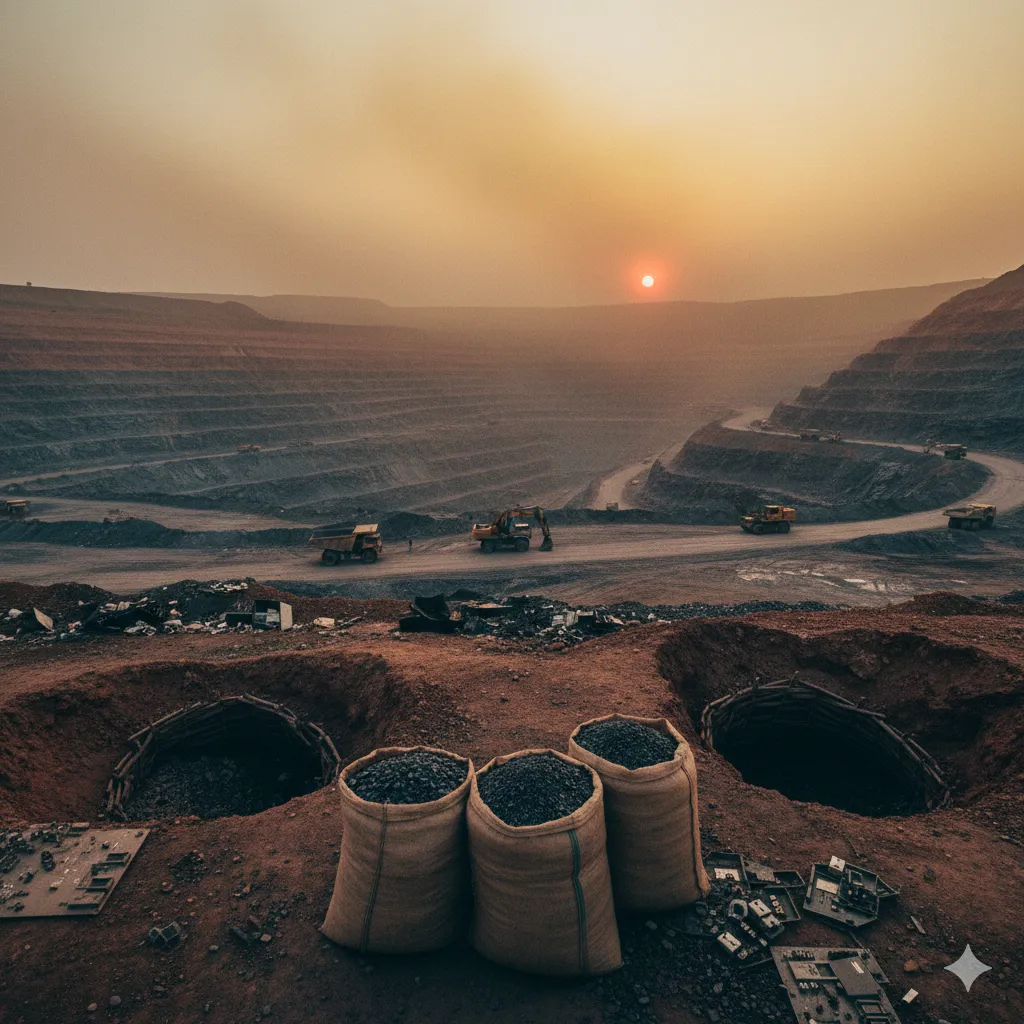
We live in a world overflowing with screens.
Glowing, sleek, beautifully marketed, friction-free screens.
We upgrade our phones every two years, our laptops every three, and our earbuds whenever a new color drops. We chase convenience, speed, storage, and the next shiny improvement that promises to make us a little more productive, a little more connected, a little more “modern.”
But behind the glass and metal we cradle so casually, there is a story most people never hear - because the companies selling us these miracles of design spend billions to keep that story quiet.
It’s a story of children crawling through collapsing tunnels.
A story of cobalt dust burned into lungs.
A story of laborers paid a dollar a day to extract the minerals that make our “sustainable tech” possible.
A story of suffering buried beneath the language of innovation.
And once you’ve seen it, you cannot unsee it.
But here’s the thing: confronting this truth isn’t about shame.
It’s about agency.
It’s about reclaiming the power every one of us has — the power corporations desperately hope we never realize we hold.
Because this isn’t just a problem of the Congo.
It’s a problem of global systems, global consumption, and global denial.
And if we want a world that is survivable — and dignified — then we have to build a new path forward.
That is the mission of AnthroEvolve Cooperative.
To lift the veil.
To give people back their power.
To turn every dollar into a vote for a world that doesn’t destroy the very people building our future.
This is where that journey begins.
PART I: THE COBALT CRISIS - AND WHY IT MATTERS
Cobalt is a core ingredient in lithium-ion batteries.
These batteries power:
phones
laptops
tablets
EVs
e-bikes
scooters
power banks
smartwatches
wireless headphones
home solar batteries
Nearly every rechargeable device in your life depends on cobalt.
And more than 70 percent of that cobalt comes from one place:
the Democratic Republic of Congo (DRC).
Amnesty International, Afrewatch, and UNICEF have documented the same pattern for more than a decade:
Children as young as seven working in hazardous cobalt mines
12–24 hour shifts
no protective equipment
exposure to toxic dust
high rates of lung disease
Miner deaths from tunnel collapses
At least 80 artisanal miners died in just one 15-month period — and the real number is far higher.
Families trapped in generational poverty
Most miners earn between $1 and $2 per day.
Zero transparency
No major company can or will provide full traceability from mine to device.
This is not a secret.
It is simply ignored.
In fact, Amnesty’s investigation found that:
16 multinational companies (Apple, Samsung, Sony, Microsoft, Daimler, Volkswagen, and others) were connected to cobalt from Huayou Cobalt — a company sourcing directly from Congo artisanal mines.
Not one could prove their cobalt was clean.
Not one could trace their supply chain adequately.
Many denied it outright despite documented links.
The conclusion is devastating but clear:
Our “sustainable tech revolution” is still powered by human suffering.
This is why AnthroEvolve cannot offer electronics lightly.
This is why we build differently — slower, more intentionally, more honestly.
We are not here to slap “eco-friendly” on devices made by the same systems that break children’s bodies.
We are here to reimagine the system from the ground up.
PART II: A NEW PATH — HOW ANTHROEVOLVE IS BUILDING ETHICAL ELECTRONICS FROM SCRATCH
Most brands start with the product.
We start with the people.
Our framework begins with one question:
Can every human in this supply chain stand tall with dignity?
If the answer is no — we do not carry it.
Here is how we build this new path.
1. Prioritize Cobalt-Free Battery Technologies
The cleanest supply chain in the world is the one that never mines cobalt in the first place.
We actively seek out devices using:
LFP (Lithium Iron Phosphate) batteries
LMFP batteries
Sodium-ion batteries
Emerging solid-state technologies
Modular batteries that can be replaced, repaired, or upgraded
These chemistries:
require no cobalt
have longer lifespans
are safer (lower fire risk)
are cheaper to produce
are rapidly replacing nickel-cobalt batteries in EVs and consumer electronics
This is the battery future.
Not because it’s trendy — but because it is ethical.
2. Develop the Most Comprehensive Supplier Checklist in the Industry
Most companies do “supplier vetting” like this:
ask for a PDF
nod politely
hope no journalist looks too deeply
AnthroEvolve rejects that.
'
Here is our Ethical Electronics Supplier Checklist, a requirement for any future partnership:
A. Mineral Transparency
Mine-to-smelter tracking
Membership in Responsible Minerals Initiative
Third-party audits
Blockchain traceability (Circulor, RCS Global)
B. Battery Chemistry
Cobalt-free preferred
If cobalt is used:
source must be industrial, not artisanal
no child labor
strict safety protocols
verified poverty-free wage structures
recycled cobalt preferred (Redwood Materials, LiCycle)
C. Labor Conditions
Zero child labor
Remediation plan if violations occur
Worker health and safety documentation
Transparent wages
D. Environmental Standards
Low-impact extraction
Circular recycling programs
Repair pathways
Modular components
E. Product Longevity
Replaceable batteries
Parts availability
Right-to-repair support
If suppliers cannot meet these criteria:
We walk away.
Because dignity isn’t negotiable.
3. Build a Circular Electronics Ecosystem
The future of electronics cannot be disposable.
AnthroEvolve is building toward:
device repair partnerships
recycling collection programs
modular, upgradable products
second-life battery integrations
education for consumers on safe disposal
We want products to live long, repair well, and return to the system without mining new harm.
PART III: A GUIDE FOR CUSTOMERS — HOW TO CHOOSE ETHICAL ELECTRONICS RIGHT NOW
People want to do better.
They just need clarity.
Here is the cleanest, simplest guide you can use today.
1. Prioritize Cobalt-Free Batteries
Look for:
LFP (Lithium Iron Phosphate)
LFP is one of the cleanest and safest battery chemistries available today.
What it is
A type of lithium-ion battery made with:
Lithium
Iron
Phosphate
Why it matters
No cobalt (the mineral linked to child labor in the DRC)
No nickel (another high-impact mined metal)
Long lifespan (often 3–4x longer than typical lithium-ion batteries)
More stable and safer (lower risk of overheating or fires)
More affordable to produce
Where it’s used
Many EVs (Tesla, BYD, Ford)
Power stations (EcoFlow, Bluetti)
Home batteries
E-bikes
Renewable energy storage
LFP is fast becoming the ethical backbone of the clean energy transition.
Sodium-ion (Na-ion)
Sodium-ion batteries are the next frontier — and they’re incredibly exciting.
What it is
A rechargeable battery that uses sodium instead of lithium.
Why it matters
No lithium
No cobalt
No nickel
No graphite shortages
Made from abundant, low-impact materials
Works well in cold climates
Safer and cheaper to produce
Where it’s emerging
E-bikes and scooters
Power banks
Grid storage
Future EVs
Home energy systems
Sodium-ion is the most environmentally friendly mainstream battery technology we have ever developed, and it’s arriving faster than anyone expected.
LMFP (Lithium Manganese Iron Phosphate)
LMFP is an upgraded version of LFP — think of it as LFP with superpowers.
What it is
A battery made from:
Lithium
Manganese
Iron
Phosphate
Why it matters
No cobalt
Higher energy density than LFP (more power per pound)
Same thermal safety and stability
Longer lifespan
Lower cost
Better performance in cold weather
Where it’s used
Next-generation EVs
Advanced power stations
High-performance e-bikes
Mobility devices
LMFP is becoming the go-to choice for companies that want cobalt-free performance without sacrificing range or power.
In One Breath
LFP: long-lasting, safe, cobalt-free
Sodium-ion: ultra-sustainable, cobalt-free, lithium-free
LMFP: high-performance, cobalt-free upgrade to LFP
These three chemistries are the ethical, scalable future of batteries — and they’re reshaping the clean energy movement in real time.
These chemistries represent the ethical edge of battery technology.
2. Choose Brands That Publish Their Supply Chains
Leaders include:
Fairphone (gold standard of ethical electronics)
Polestar (transparent battery tracking)
Nimble (Uses REPLAY-certified used materials)
If a company hides its supply chain — it is not ethical.
3. Look for Repairability
Ask:
Can the battery be replaced?
Are repair manuals available?
Are spare parts sold directly?
Does the company support right-to-repair laws?
Every repair delays new mining.
4. Reject Brands With Vague Statements
If their “Responsible Sourcing Policy” is two paragraphs long, you’re reading a PR shield - not a supply chain.
5. Support Battery Recycling Programs
The cleanest cobalt is the cobalt already mined.
Leaders include:
6. Buy Better, Buy Slower
Ethical electronics aren’t about the upgrade cycle.
They’re about longevity, transparency, and human dignity.
PART IV: WHY THIS MATTERS — AND WHY YOU HAVE MORE POWER THAN YOU THINK
People often say:
“What can one person do about global supply chains?”
Everything.
Absolutely everything.
Because corporations do not fear protest signs.
They fear losing customers.
Every dollar you spend is a tiny policy decision.
A referendum on the world you want to fund.
A vote for the status quo or a vote for something better.
And when enough of us vote differently, the world changes — not through guilt, but through agency.
We don’t need to wait for the world’s political leaders to find the courage.
We can shift our own system right now:
Move investments into fossil-free funds
Switch to insurance companies that support green infrastructure
Choose banks that finance renewable energy
Buy EVs and high-efficiency devices
Support brands that protect workers and ecosystems
These choices are not small.
They are structural.
They are transformative.
They build the world our children will inherit long after we are gone.
PART V: THE WORLD ANTHROEVOLVE IS TRYING TO BUILD
Imagine:
A marketplace where every device is traceable.
Where no child’s lungs are sacrificed for a battery.
Where families thrive instead of suffer.
Where cobalt is replaced with safer, circular alternatives.
Where every purchase strengthens communities instead of exploiting them.
Where dignity is not an optional feature — it is the foundation.
That world is not utopian.
It’s overdue.
And AnthroEvolve exists to make it real.
Not perfectly.
Not instantly.
But relentlessly.
Because sustainability that harms the people who build it is not sustainability —
it is greener exploitation.
We deserve better.
Workers deserve better.
The planet deserves better.
And together, we can build it.
One product.
One choice.
One dollar at a time.
PART VI: Ethical / Lower-Impact / More Transparent Battery / Materials Companies
1. BYD
What they do: EVs + LFP batteries (cobalt-free).
Link: https://www.byd.com
2. CATL (Contemporary Amperex Technology Co., Limited)
What they do: World’s largest battery maker; pioneers of LFP and sodium-ion chemistries.
Link: https://www.catl.com
3. Fairphone
What they do: Most ethical consumer electronics brand; modular phones, transparent minerals.
Link: https://www.fairphone.com
4. Framework Computer
What they do: Modular, repairable laptops built for longevity and supply-chain responsibility.
Link: https://frame.work
5. Redwood Materials
What they do: Battery recycling and remanufacturing; circular supply-chain innovation.
Link: https://www.redwoodmaterials.com
6. Li-Cycle
What they do: Lithium-ion recycling; recovering cobalt, nickel, and other critical materials.
Link: https://li-cycle.com
7. Ascend Elements
What they do: Recycled cathode materials, sustainable battery ingredient production.
Link: https://ascendelements.com
8. Himiway Bikes
What they do: E-bikes; many models now using LFP batteries (cobalt-free).
Link: https://himiwaybike.com
9. EcoFlow
What they do: Portable power stations and home battery systems — many with LFP chemistry.
Link: https://www.ecoflow.com
10. Bluetti
What they do: Solar generators and home power stations built around LFP battery technology.
Link: https://www.bluettipower.com
11. Nimble
What they do: Use recycled aluminum, silicon, glass, polycarbonate and PET for portable rechargeable batteries, wall charges, cords and adapters.
Link: https://www.gonimble.com/collections/shop-all
Why There Are No “Perfect” Options — And What To Watch Out For
Even big names like BYD and CATL are part of global supply chains. LFP reduces mineral risk, but supply-chain transparency (labor conditions, mining origins, traceability) remains spotty unless they publish full back-to-mine audit trails.
Recycling firms (Redwood, LiCycle, Ascend, etc.) are vital. But recycled cathode materials are still emerging broadly in the consumer-battery market. Adoption is growing, but not universal — you often have to ask.
Modular electronics companies (Fairphone, Framework) prove that durability, repairability, and transparency can be done. But most of these are smaller, niche, and not yet scaled globally.
For EVs, e-bikes, or home-storage batteries: battery chemistry matters a lot. LFP or sodium-ion is the ethical baseline, but aftermarket care, repairability, recycling policies, and corporate transparency must all align for true sustainability.
What You Can Do to Vet - Even with Brands on This List
Ask suppliers directly: “Can you trace the battery materials to origin? Do you publish a supply-chain audit for each batch?”
Favor devices with modular or replaceable batteries, or battery-buyback / recycling programs.
Prioritize battery chemistries: LFP, sodium-ion, or recycled cathode materials whenever possible.
Avoid devices with sealed, non-replaceable batteries and no transparency on sourcing or materials.
Support companies that commit to circular economy models — repair, reuse, recycle.
My Take: There Are No “Perfect” Batteries (Yet) - But the Shift Is Real
If you go into this expecting perfection, you’ll walk away discouraged. But if you treat battery sourcing like climate activism, human-rights advocacy, and long-term infrastructure building, then the companies above are among the best steps forward we have today.
I keep the list alive, I vet relentlessly, and I believe that — with demand, pressure, and clarity - this “imperfect present” can become a just, sustainable future.
Sources:
Amnesty International & Afrewatch – cobalt report
This Is What We Die For: Human rights abuses in the Democratic Republic of the Congo power the global trade in cobalt
https://www.amnesty.org/en/documents/afr62/3183/2016/en/
Amnesty International – Child labour behind smart phones and electric cars
https://www.amnesty.org/en/latest/news/2016/01/child-labour-behind-smart-phone-and-electric-car-batteries/
Humanium – Child labour in the mines of the DRC
https://www.humanium.org/en/child-labour-in-the-mines-of-the-drc/
Academic / policy analysis referencing UNICEF’s 40,000 children in mines (southern DRC)
https://csapi.org.uk/wp-content/uploads/2020/03/Child-labour-in-the-mining-industry.pdf
Fraunhofer ISI – Lithium-ion Battery Roadmap (sections on LFP and LMFP)
https://www.isi.fraunhofer.de/content/dam/isi/dokumente/cct/2023/Fraunhofer-ISI_LIB-Roadmap-2023.pdf
Battery Council International – Common and Alternative Battery Chemistries (LFP and LMFP)
https://batterycouncil.org/wp-content/uploads/2025/02/BCI-Common-and-Alternative-Battery-Chemistries_2.18.25.pdf
LFP comparison with cobalt based chemistries and environmental footprint
https://eureka.patsnap.com/report-comparative-analysis-of-energy-efficiency-between-lithium-phosphate-lfp-and-lithium-cobalt-oxide-lco-battery-technologies
Overview of LFP in EVs and why major automakers are shifting to it
Reuters factbox on competing battery technologies
https://www.reuters.com/business/media-telecom/factbox-competing-battery-technologies-shape-ev-industry-2025-08-25/
LMFP technical overview and higher energy density vs LFP
https://www.sciencedirect.com/science/article/abs/pii/S209549562400559X
Market oriented LMFP explainer
https://www.ufinebattery.com/blog/lmfp-battery-market-outlook-will-it-replace-lfp-and-nmc/
General background on LMFP batteries
https://en.wikipedia.org/wiki/LMFP_battery
Advantages of sodium ion vs lithium ion – abundant, cobalt free, cheaper, safer
https://uocs.org/lithium-alternatives-sodium-ion-battery-gaining-momentum/
Environmental and ethical benefits, lower mining impact, no cobalt
https://uocs.org/the-future-of-sodium-ion-batteries-in-energy-storage/
Technical and safety advantages overview
https://www.hhs-energy.com/who-we-are/news/109.html